NilocG Aquatics Glass CO2 Drop Checker Kit with 4dkh/pH Reagent Solution and Suction Cup Review (2026)
Updated September 20, 2026 · Research-based review
Our verdict
NilocG's kit pairs a glass drop checker and suction cup with a pre-mixed 4dkh pH reagent solution, giving a color-coded read on dissolved CO2 within about two hours. It suits planted tank keepers dosing pressurized CO2 who want a ready-to-use monitor, though like all drop checkers it lags behind real-time CO2 swings.
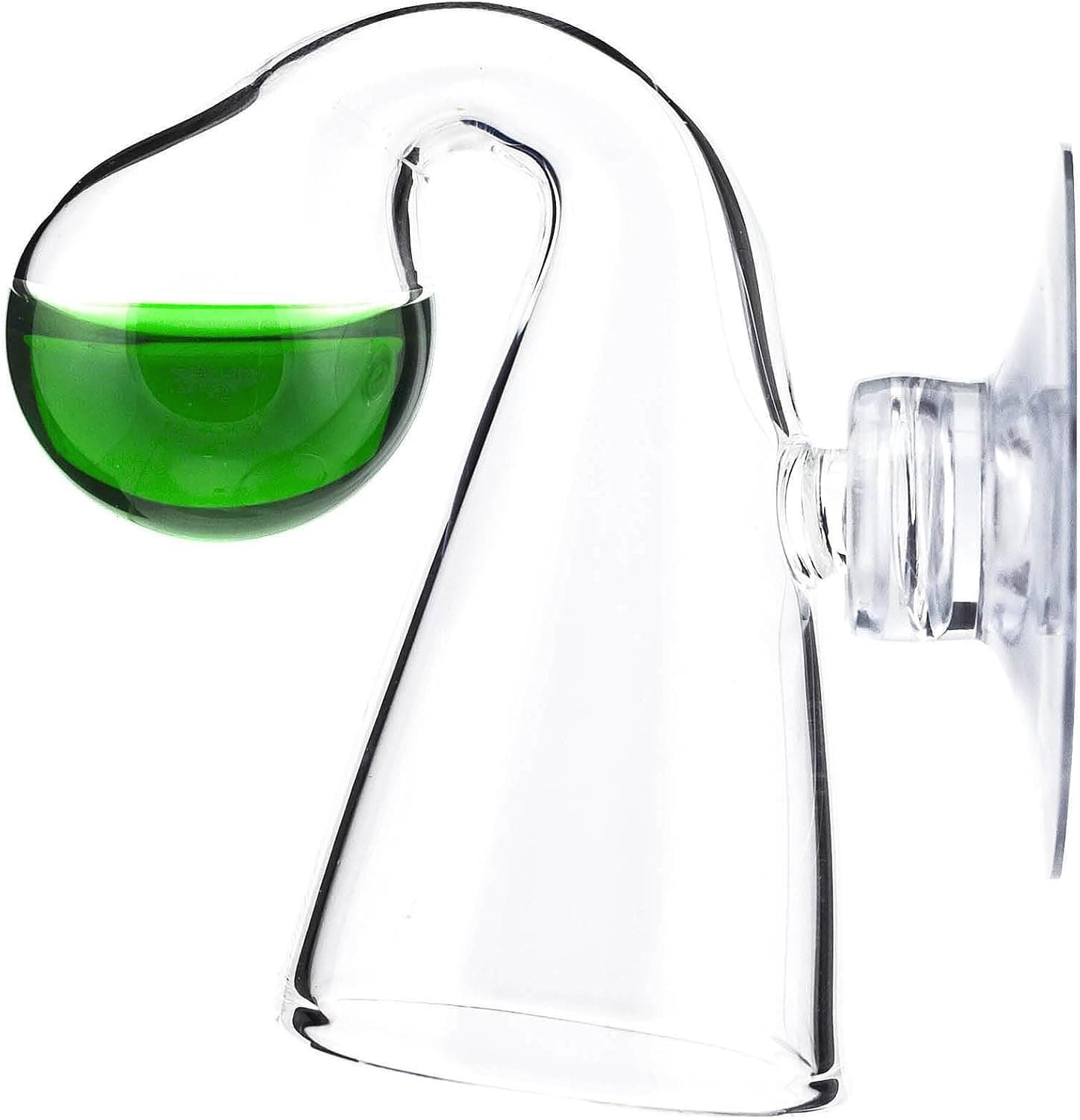
NilocG Aquatics glass CO2 drop checker kit with 4dkh/pH reagent and suction cup, a complete monitor for planted tank CO2.
Price range: See on Amazon
What we liked
- + The 4dkh reference solution gives more accurate readings than tap water fills
- + Kit includes reagent and suction cup, so it is ready to use
- + NilocG is known for planted tank fertilizers and gear
Trade-offs
- - Drop checkers lag about a couple of hours behind actual CO2 levels
- - Reagent needs replacing periodically to stay accurate
Who this drop checker fits
A drop checker is aimed at anyone running pressurized CO2 injection on a planted tank who needs a visual, ongoing gauge of dissolved CO2 rather than a one-time test strip reading. This kit is a good fit for keepers who do not already have a calibrated 4dkh reference solution on hand, since it bundles the glass checker, a suction cup for mounting inside the tank, and a bottle of reagent in one purchase. It is less useful for tanks without any CO2 injection, since the color shift the checker relies on is driven by changes in dissolved CO2 pulling the indicator through its pH range, and non-injected tanks will not see the meaningful daily swing the tool is built to track.
How the 4dkh solution and readings work
NilocG's kit uses a pH indicator solution pre-mixed to a 4dkh reference hardness, which the maker states is important because using plain tank water instead of a calibrated 4dkh solution throws off the accuracy of the reading. Once filled and mounted with the suction cup inside the aquarium, the checker settles to reflect the tank's current CO2 level over roughly two hours. A green or light green color indicates an optimal CO2 range for most planted tanks, yellow signals CO2 running too high and a risk to livestock, and blue signals CO2 running too low for good plant growth, giving a simple three-color visual check at a glance.
Using it day to day
Because the tool works by equilibrium rather than instant measurement, it always shows roughly where CO2 levels sat a couple of hours ago rather than the exact current level, so it is best read at the same time each day, typically toward the end of the light period when CO2 has been running for a while. The reagent solution is consumed gradually and will need topping up or replacing periodically to keep the color response accurate and legible. Placement away from direct light glare and at a consistent depth helps keep the color easier to judge consistently over time.
How it compares with other drop checkers
Against other glass drop checkers on the market, NilocG's kit stands out mainly for including the correctly calibrated 4dkh solution rather than requiring a separate purchase, since several budget kits ship with checkers only or weaker reference solutions. Competing kits from JARDLI, Clscea, and Bubblefin follow a similar glass bulb and suction cup format at a lower price point but score lower in independent comparisons, often on solution accuracy or checker build quality. NilocG's broader reputation in planted tank fertilizers and CO2 gear adds some assurance that the reagent is mixed to spec rather than an approximate copy.
Verdict and who should pick something else
This is a solid pick for planted tank keepers running CO2 injection who want an accurate, ready-to-use drop checker without sourcing a separate 4dkh solution. It earns its higher score mainly on including a properly calibrated reagent rather than any dramatic design difference from other glass checkers. Skip it if the tank has no CO2 injection, since there will be little to monitor, and budget for replacement solution over time as the initial bottle depletes. Keepers wanting real-time rather than lagging CO2 data should look at an inline pH controller or continuous monitor instead.
Frequently asked questions
How long does a drop checker take to show an accurate reading?
Around two hours after filling and mounting it, since the indicator responds to CO2 diffusing into the solution rather than instantly.
What color should the drop checker be for good CO2 levels?
Green or light green indicates an optimal CO2 range; yellow means CO2 is too high and blue means it is too low.
Why does this kit specify 4dkh solution instead of tank water?
Using tank water instead of a calibrated 4dkh reference throws off the color response, so the maker recommends the included 4dkh reagent for accuracy.
Does the reagent solution need replacing?
Yes, the solution gets consumed over time and should be topped up or replaced periodically to keep readings accurate.
Prices change often, so check the current price and availability on Amazon.
Check price on AmazonAquascape Nest may earn a commission from the link above.