Aqualexs Ohko Dragon Stone Rock Mixed Sizes (20 LBS) Review (2026)
Updated September 14, 2026 · Research-based review
Our verdict
This 20 pound mixed-size pack of Ohko dragon stone suits mid to large aquascapes needing rock for both focal points and supporting pieces. Its main strength is mixed sizing, giving one focal stone plus smaller accent pieces from one order. The trade-off is cleaning needed before use, since the textured surface holds quarry debris.
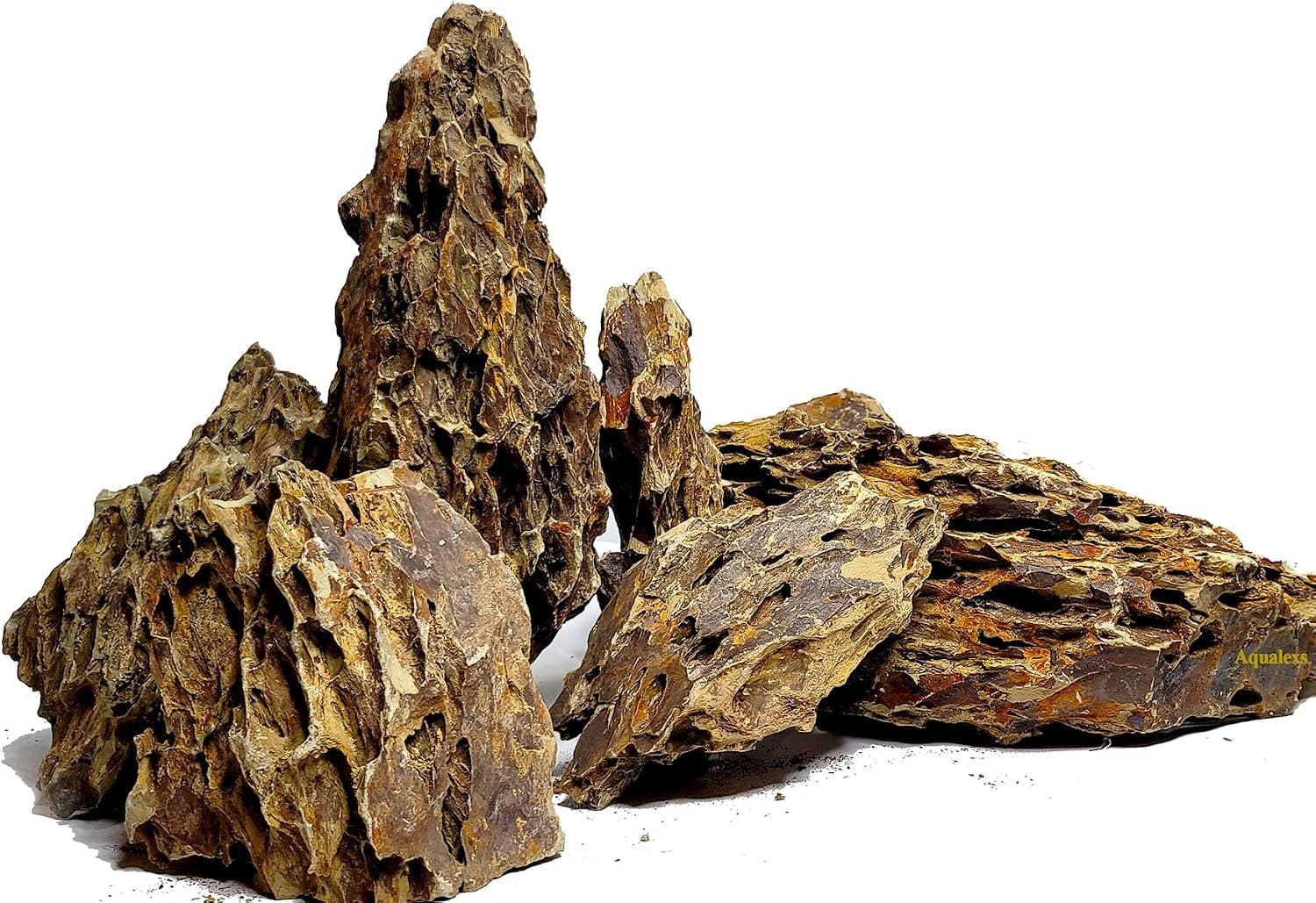
Aqualexs Ohko dragon stone rock mixed sizes in 20 LBS, a bulk hardscape pack for mid to large aquascapes.
Price range: See on Amazon
What we liked
- + The 20 LBS pack provides enough rock for large layouts
- + Mixed sizes allow focal stones and supporting pieces
- + Ohko stone is a classic aquascaping choice
Trade-offs
- - Heavy rock loads need a sturdy tank base
- - Requires cleaning to remove clay and debris
Who this hardscape pack is for
Aqualexs Ohko Dragon Stone in mixed sizes at 20 pounds is aimed at aquascapers planning a hardscape-heavy layout in a medium to large tank, generally in the 25 to 55 gallon range based on typical recommendations for this weight of rock. Dragon stone's jagged, scaled texture and natural gray tone make it a common choice for naturalistic mountain or valley-style layouts, and the mixed sizing in this pack, generally covering a range of smaller pieces, gives enough variety to build a main focal stone along with secondary and accent pieces without needing to order multiple separate packs. It is less suited to a nano tank, where a smaller 5 or so pound pack of dragon stone offers a more appropriate scale.
What the rock actually is
Dragon stone, also called ohko stone, is a relatively hard, porous rock known for its jagged edges, sharp lines and natural gray color, which gives it the scaled, dragon-skin appearance the name references. It carries a neutral pH profile, meaning it should not significantly shift water hardness or pH the way limestone-based rocks can, and it is described as non-toxic to fish, shrimp and other aquatic life once cleaned. Its hardness and irregular shape make it good at anchoring moss or plants tied onto the rock face, and its stability under water helps stacked arrangements stay put once a layout is built, provided pieces are set on a level substrate base.
Setting it up and living with it
Before placing dragon stone in a tank, it needs a thorough scrub under running water to remove surface clay and loose debris left over from quarrying, since this dust can cloud the water and take days to settle if the rock goes in unwashed. Because the stone is porous, some aquascapers also soak pieces for a period before use to help release trapped sediment from inside the pores. Once installed, dragon stone generally needs little ongoing maintenance beyond normal algae control, since its texture can host some algae growth over time, which many aquascapers consider part of its natural, weathered look rather than a problem to solve.
Honest trade-offs and how it compares
The heavier a hardscape load gets, the more it matters that the tank sits on a sturdy, level stand, since 20 pounds of stacked rock concentrates weight unevenly compared with loose substrate, so check your stand's rated capacity before building a tall arrangement. Against a smaller 5 pound pack of the same Aqualexs dragon stone, this 20 pound mixed pack is the better value when a layout genuinely needs multiple pieces at different scales, while the smaller pack suits a nano tank or a single accent piece. Compared with seiryu stone, dragon stone is the pick when a warmer gray, rougher texture fits the intended scape better and when raising hardness is a concern, since dragon stone's neutral chemistry is gentler on soft water setups than seiryu's mild alkalinity.
Verdict and who should pick something else
This pack is a solid choice for a medium to large aquascape that needs a genuine range of rock sizes from one order, supporting our score of 8.6 out of 10 for value and variety. The mixed sizing does most of the work here, since it removes the guesswork of ordering several separate packs and hoping the pieces end up in proportion to each other once stacked. Choose a smaller pack instead for a nano tank or a single accent stone, and consider seiryu stone instead of dragon stone if the scape calls for a cooler, bluer gray tone rather than dragon stone's warmer, more textured look.
Frequently asked questions
Does dragon stone need to be cleaned before adding it to the tank?
Yes, a thorough scrub under running water is needed to remove clay and debris from quarrying, and some aquascapers also soak the porous stone briefly before use to release trapped sediment.
Will dragon stone change my water's pH or hardness?
Dragon stone carries a neutral pH profile and is not expected to significantly shift hardness or pH the way limestone-based rocks can, though as with any rock, water testing after adding a large amount is a sensible check.
What tank size does a 20 pound pack suit?
This weight is generally recommended for medium to large tanks, roughly in the 25 to 55 gallon range, though the right amount depends on how dense you want the hardscape to look.
Is dragon stone safe for shrimp and fish?
It is generally described as non-toxic to fish, shrimp and other aquatic animals once properly cleaned, but always rinse thoroughly before adding any new hardscape to an established tank.
Prices change often, so check the current price and availability on Amazon.
Check price on AmazonAquascape Nest may earn a commission from the link above.