Aquarium Lighting Basics
Published How we research
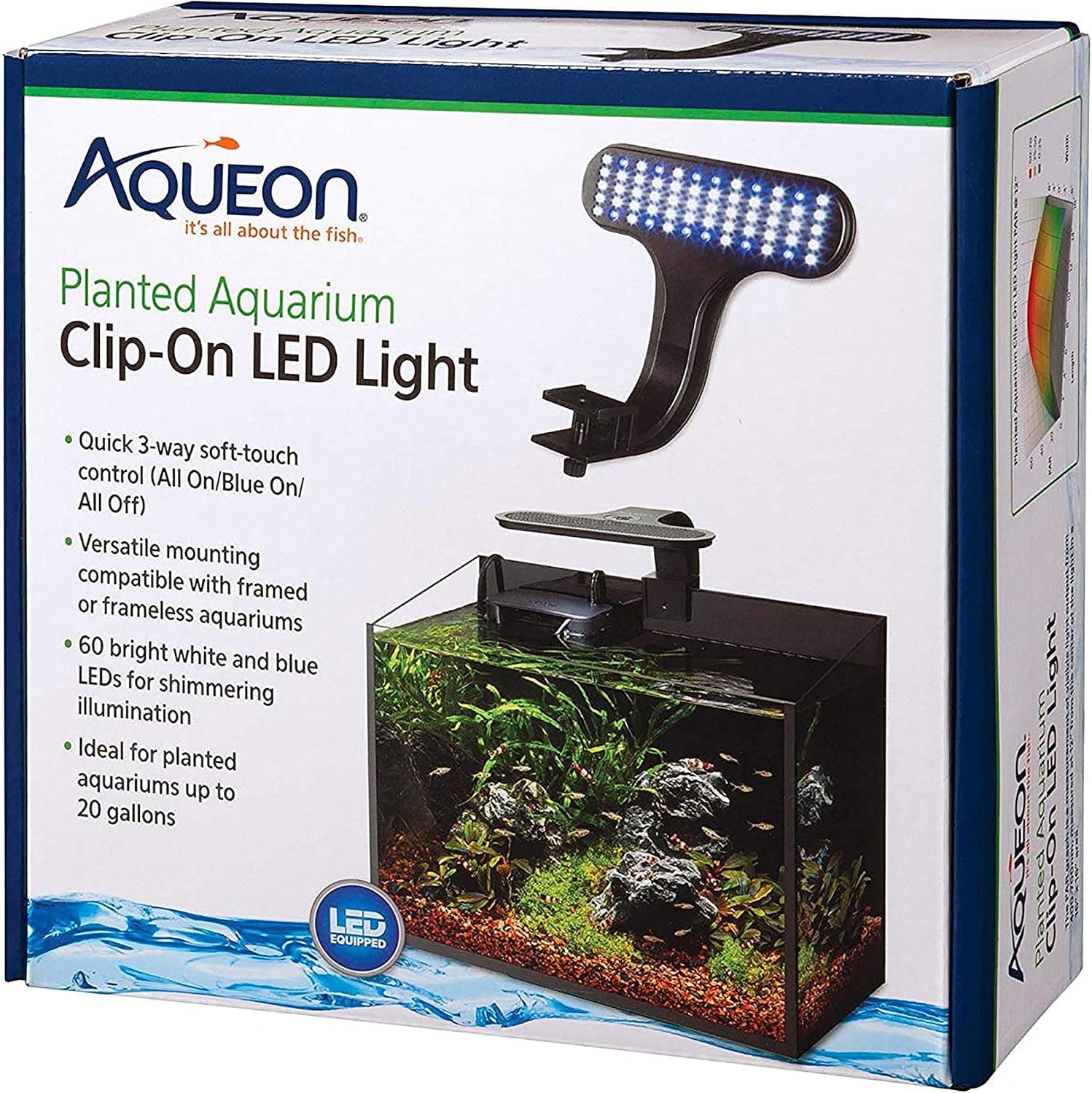
Light is the engine that drives plant growth, so getting your lighting right is one of the most important parts of keeping a planted tank. Yet lighting is also where many beginners go wrong, either by assuming brighter is always better or by leaving lights on far too long. Understanding a couple of key ideas, PAR and photoperiod, takes most of the mystery out of it.
Products from this article
The highest-scoring picks from the buying guides this article links to. Scores are our editorial assessment, not customer ratings.
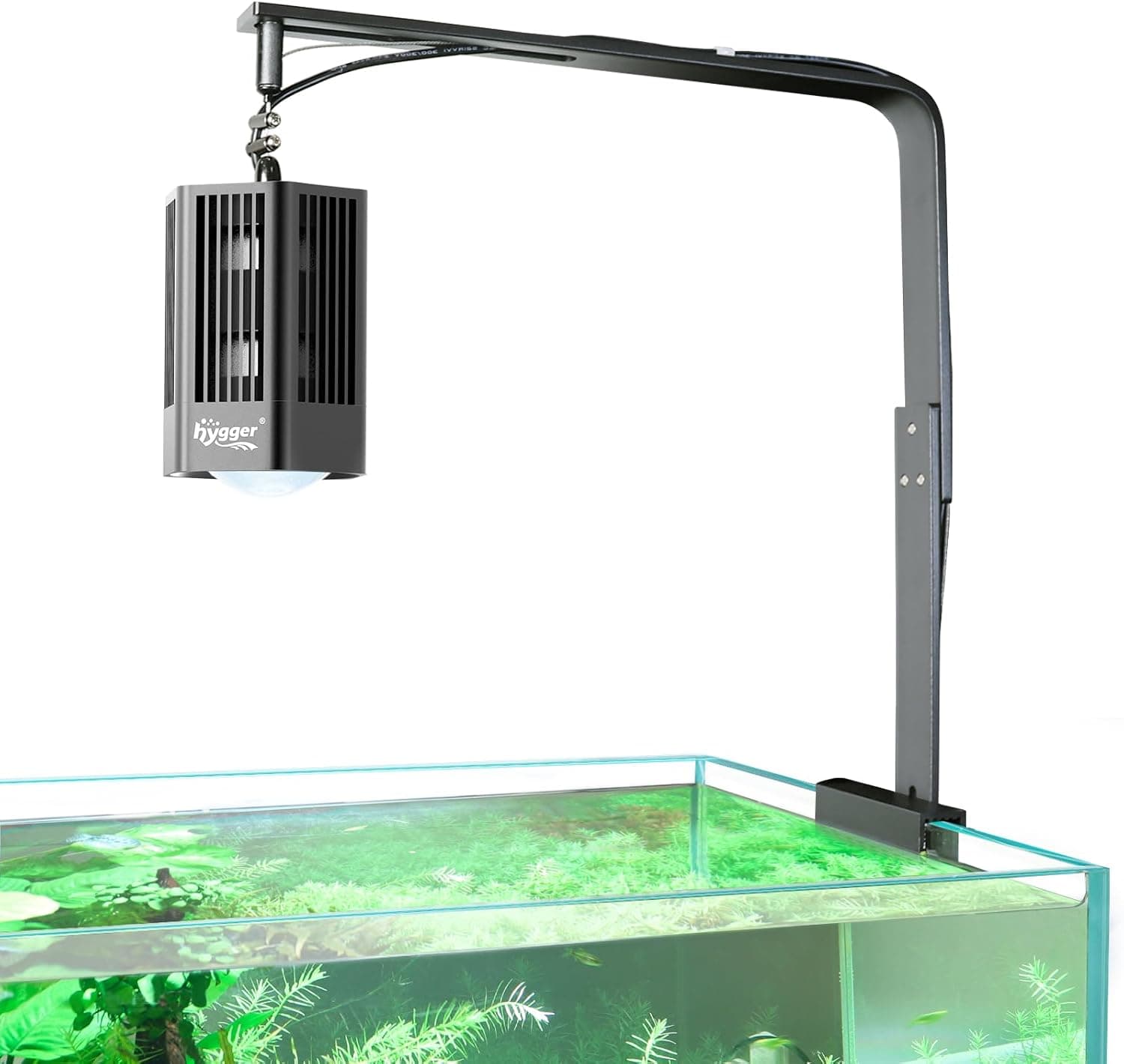
+ COB design produces the shimmer effect that makes water ripple on stone
From our guide: Best Full-Spectrum Grow Lights for Planted Tanks (2026)
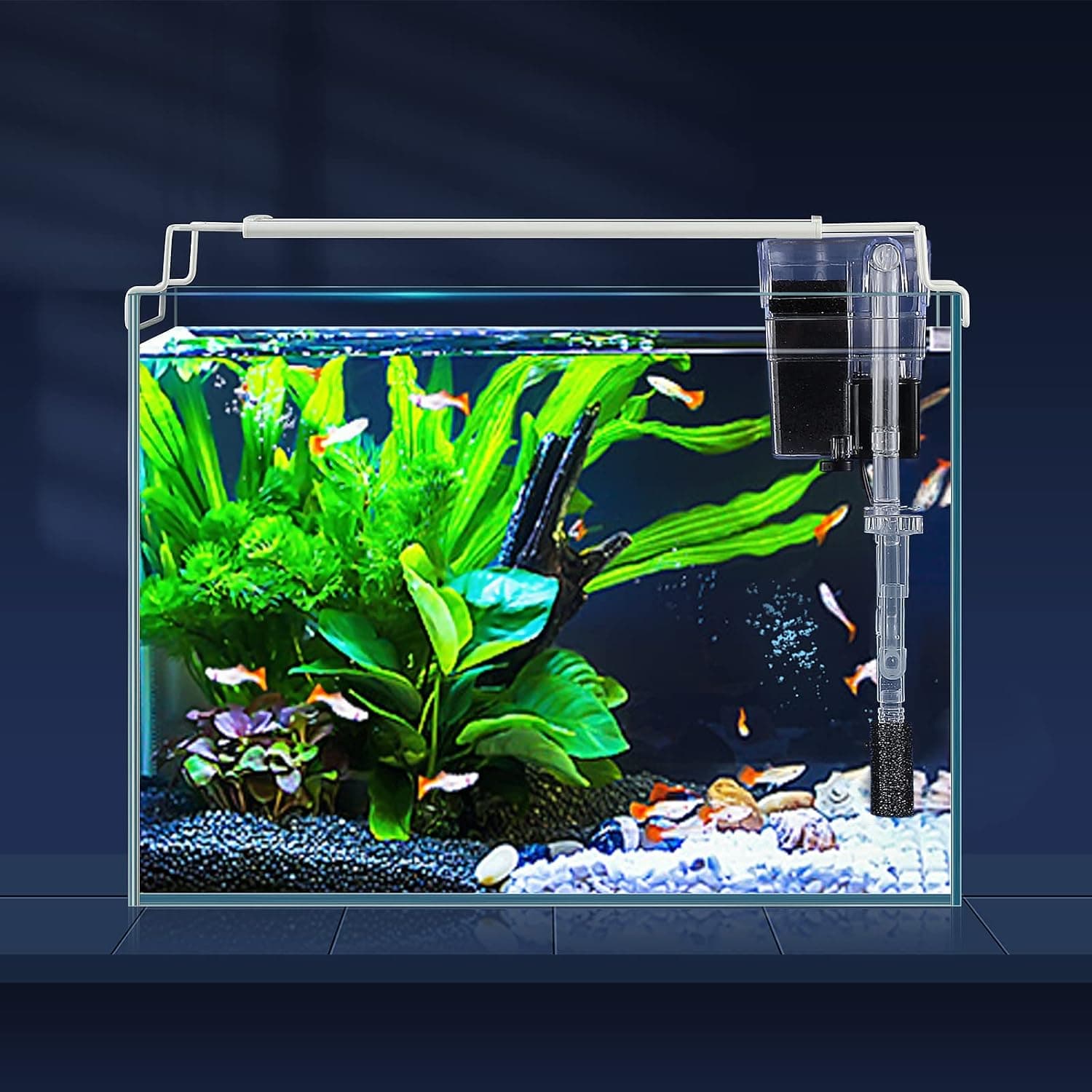
+ Filter and LED arrive together, so the tank can be cycled soon after unboxing
From our guide: Best Aquarium Kits for Planted Tanks (2026)
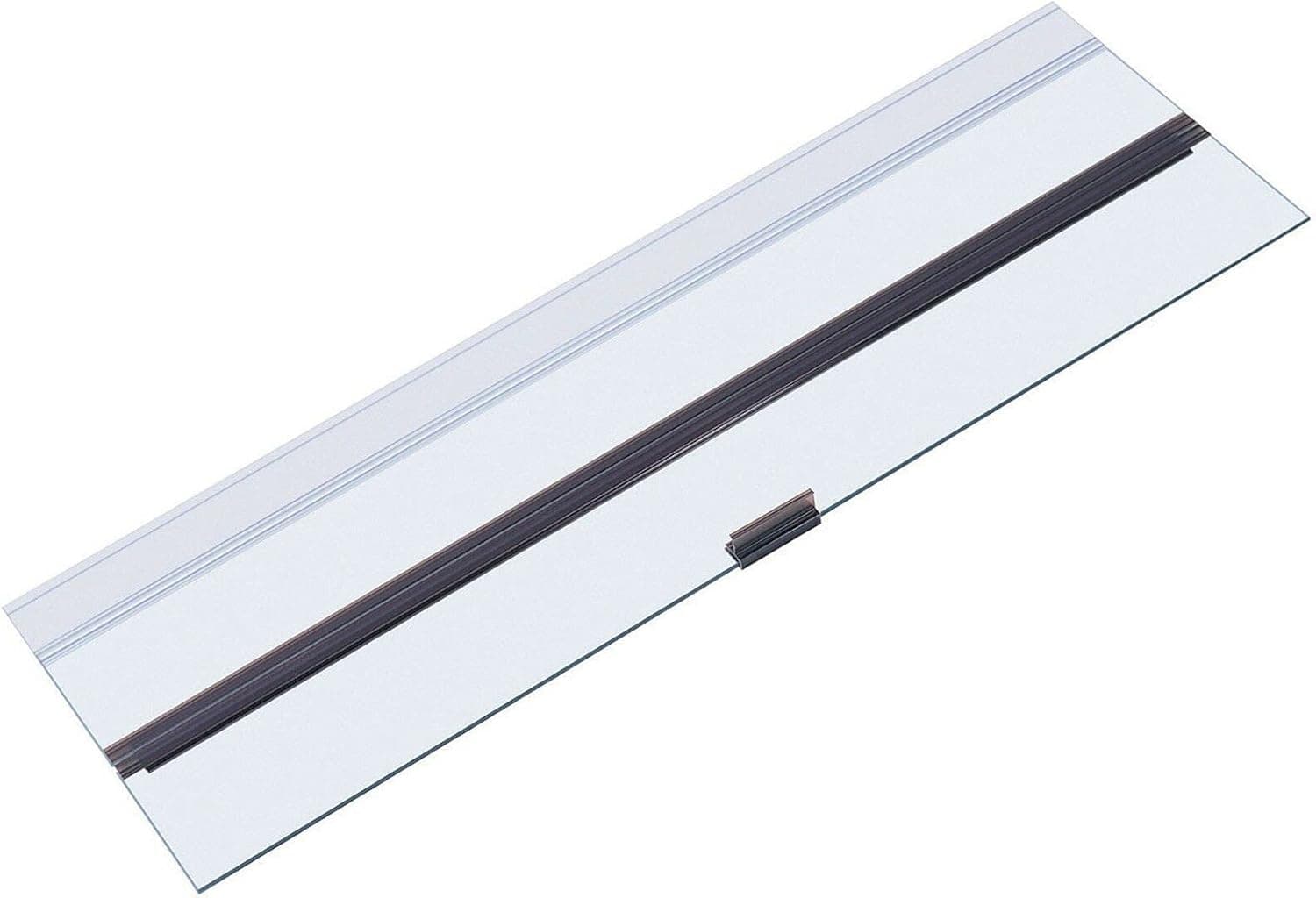
+ Glass lid reduces evaporation and keeps jumping fish and shrimp inside
From our guide: Best Aquarium Lids and Covers for Planted Tanks (2026)
+ The 100W output punches through deeper water to reach carpet plants
From our guide: Best Full-Spectrum Grow Lights for Planted Tanks (2026)
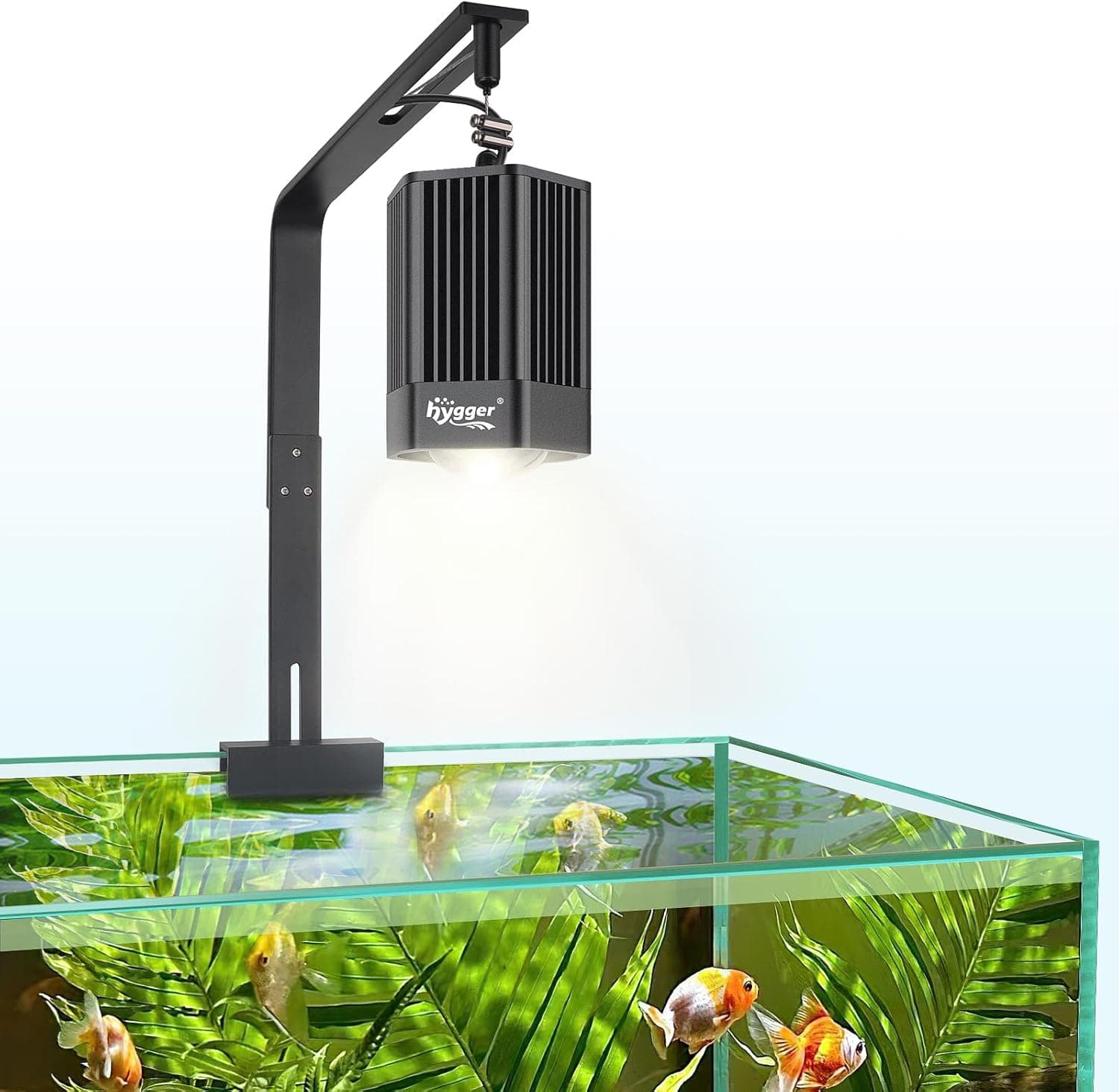
PAR stands for photosynthetically active radiation, and it refers to the portion of light that plants can actually use for photosynthesis. Unlike simple brightness as your eye perceives it, PAR measures the useful light reaching your plants at a given depth. This matters because light intensity drops sharply the deeper it travels through water, so a fixture that delivers plenty of usable light to a foreground carpet may deliver much less to plants in a tall tank.
Different plants have different PAR needs. Low-light species such as anubias, java fern, and many crypts thrive under modest lighting, while demanding carpeting and red plants require high PAR to grow densely and color up. Matching your light level to your plant selection is essential; giving low-light plants intense lighting without matching CO2 and nutrients is a fast track to an algae problem.
Photoperiod simply means how long your lights are on each day. For most planted tanks, a photoperiod in the range of six to eight hours is a sensible starting point. Longer is not better; extended lighting mainly gives algae more time to grow and rarely benefits the plants once they have had enough light to photosynthesize for the day. A consistent daily schedule, ideally on a timer, keeps the tank stable.
Light is one leg of a three-legged stool alongside carbon and nutrients, and problems almost always come from imbalance between them. If you increase light intensity or duration, your plants will demand more CO2 and fertilizer to keep up, and any shortfall shows up as algae. This is why turning the light down is often the first and most effective response to an algae outbreak.
Start conservative and adjust slowly. Begin with a moderate photoperiod and a light level suited to your easiest plants, watch how the tank responds over a couple of weeks, and change only one thing at a time. A timer for consistency, a photoperiod that matches your plants, and light intensity balanced against your other inputs will give you healthy growth without feeding algae.
Popular right now
- Best Clip-On Aquarium Lights for Planted Tanks (2026)Buying guide
- Best Nano Aquariums for Planted Tanks (2026)Buying guide
- Best Low-Iron Glass Tanks for Aquascaping (2026)Buying guide
- Best CO2 Regulators for Planted Tanks (2026)Buying guide
- Best Full-Spectrum Grow Lights for Planted Tanks (2026)Buying guide
- Best CO2 Tubing for Planted Tanks (2026)Buying guide
Based on the last 28 days of search and visitor data.