What to Do With Your Aquarium During a Winter Power Outage
Published How we research
Winter storms and ice can cause power outages that last hours or even days. Without heaters and filters, aquarium water cools, oxygen levels fall and beneficial bacteria in filters begin to die. A little preparation before winter and quick action during an outage can protect fish, shrimp and plants until power returns.
Prepare before winter
Keep a battery-powered air pump, spare batteries, an aquarium thermometer and insulating materials such as blankets or foam boards ready. Portable power stations or an uninterruptible power supply can run air pumps and small heaters for some time, depending on capacity.
Know your tank's heater wattage and your backup power capacity. Heaters draw a lot of power, so backup systems are often best used for air pumps and intermittent heating rather than continuous heating.
Keep the water warm
Cover the top and sides of the aquarium with blankets, towels or insulating foam to slow heat loss, leaving some space for air exchange. Glass tanks lose heat quickly, especially smaller ones.
If temperatures drop significantly, float sealed bottles filled with warm water in the tank, replacing them as they cool. Avoid adding hot water directly, which can shock fish.
Maintain oxygen
Without filters and air pumps, oxygen levels decline. Battery-operated air pumps are the easiest solution. Otherwise, gently scoop and pour water back into the tank periodically to increase surface agitation.
Cooler water holds more oxygen, which helps somewhat, but fish still need gas exchange. Turn off CO2 injection systems if they continue running during an outage.
Stop feeding and protect filter bacteria
Do not feed fish during outages. Fish can go several days without food, and uneaten food and waste increase ammonia while filters are off.
Canister filters without flow can become oxygen depleted within hours. If the outage is long, move filter media into a container of tank water with an air stone, or into the aquarium itself, to keep bacteria alive.
Restart safely
When power returns, check that heaters are working and temperatures rise gradually. Clean or rinse canister filters in tank water before restarting if they sat still for many hours, since stagnant water can release harmful substances.
Test ammonia and nitrite over the next few days and do small water changes if needed. Watch fish closely for stress and disease as the tank stabilises.
Products from this article
The highest-scoring picks from the buying guides mentioned above. Scores are our editorial assessment, not customer ratings.
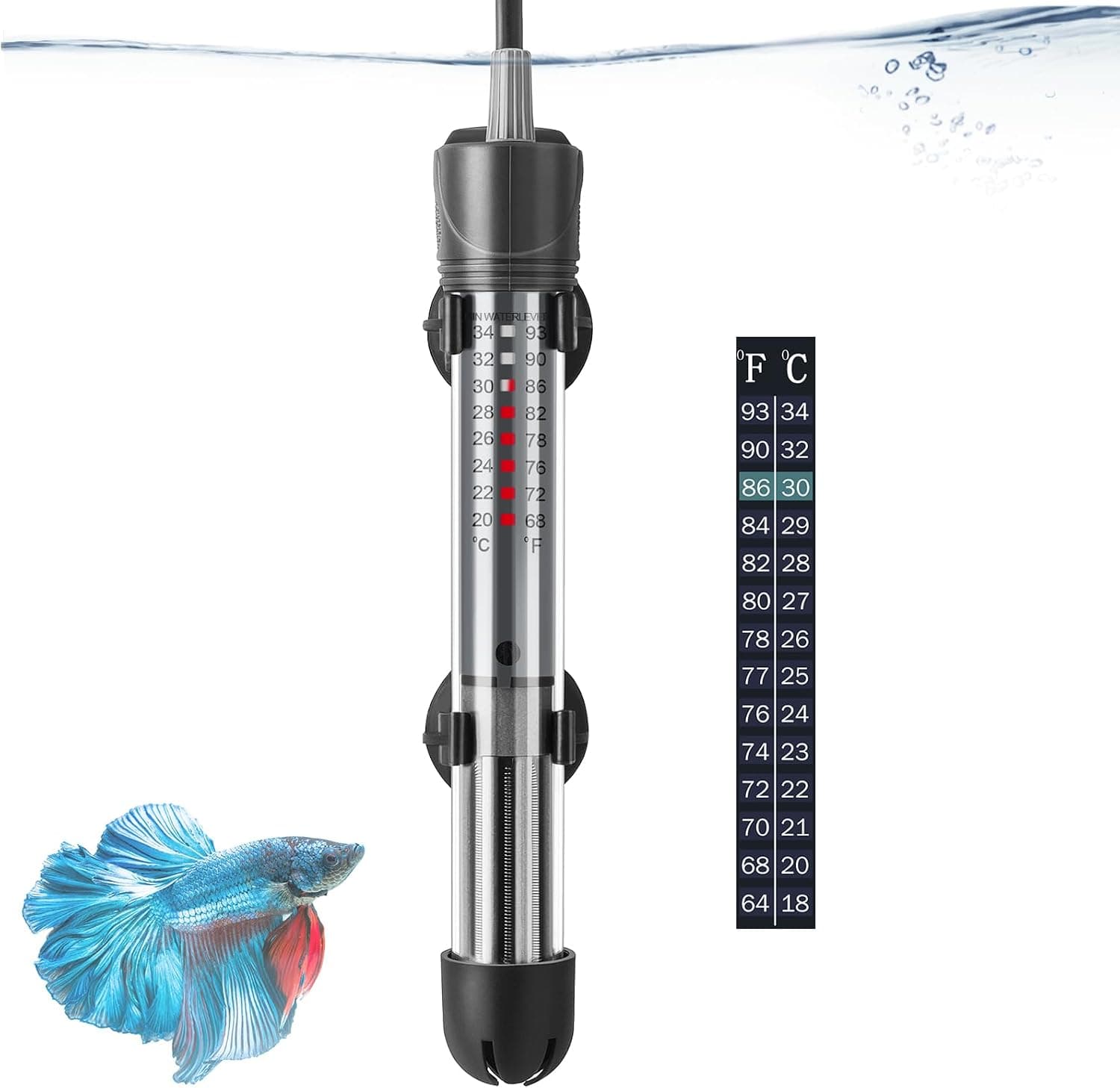
+ The 50W rating is well matched to 6-15Gal betta and shrimp tanks
From our guide: Best Aquarium Heaters for Planted Tanks (2026)
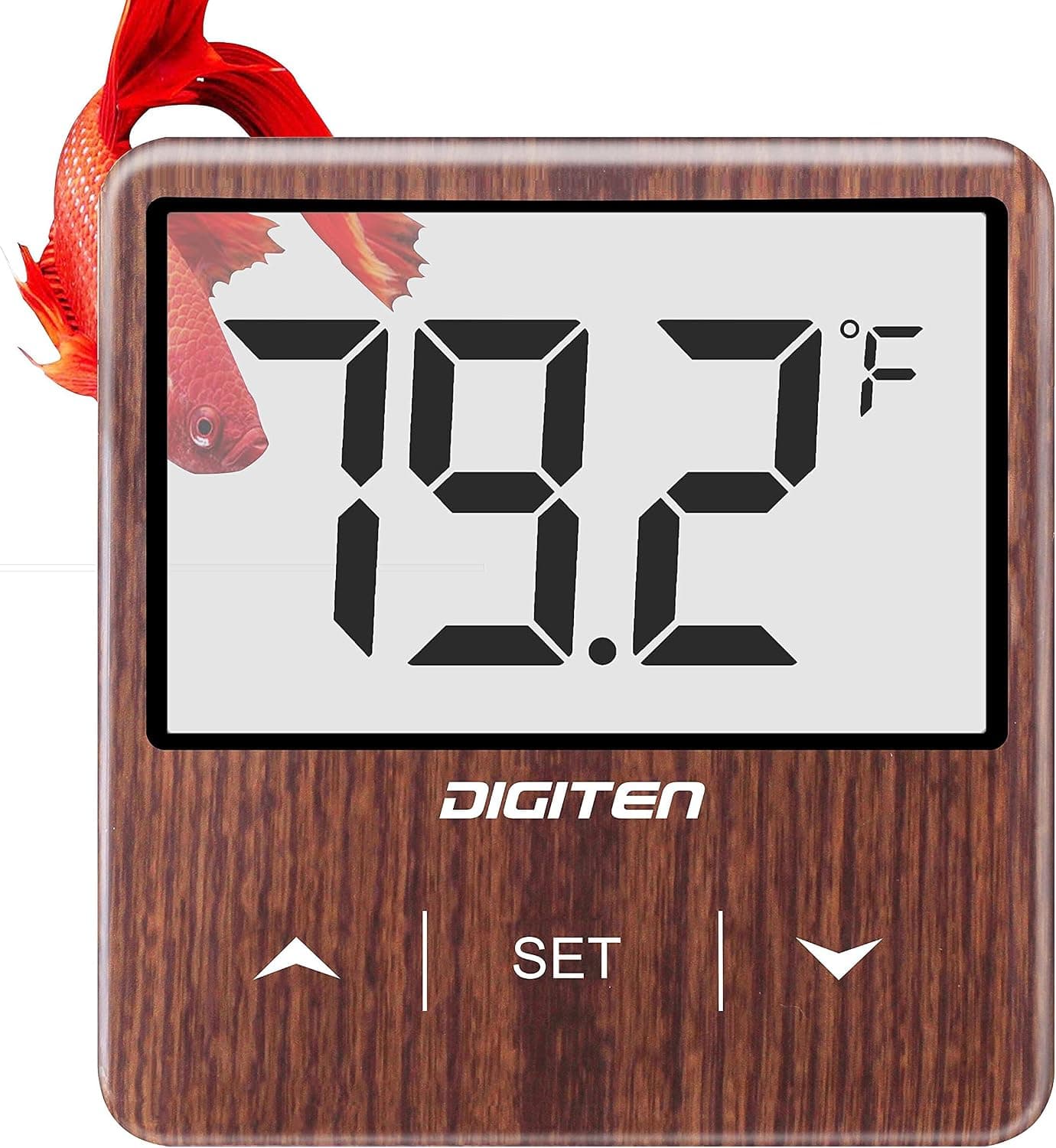
+ Large LCD digits are easy to check during feeding
From our guide: Best Aquarium Thermometers for Planted Tanks (2026)
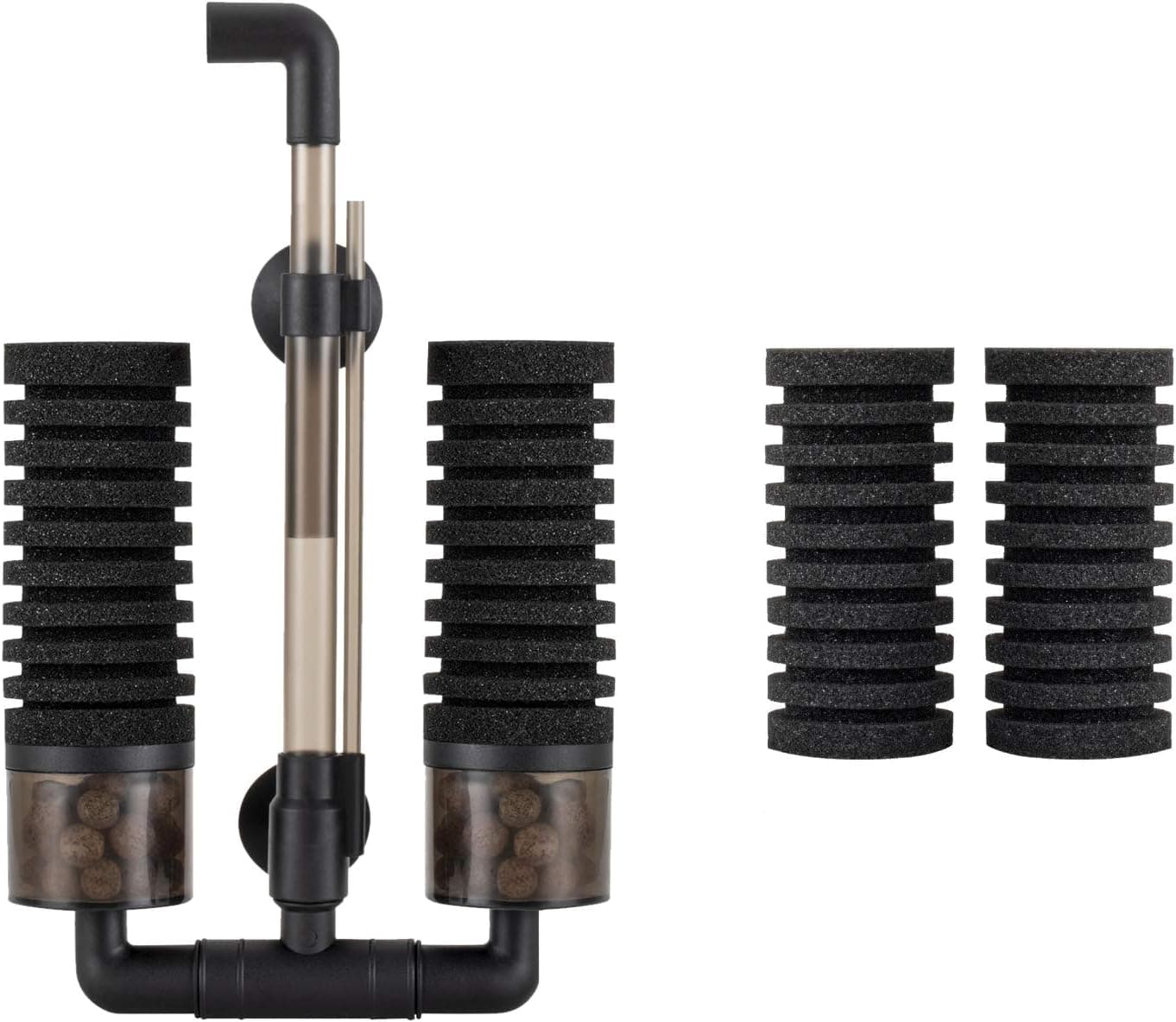
+ Two spare sponges are included, so you can swap or seed media without reordering
From our guide: Best Sponge Filters for Planted Tanks (2026)
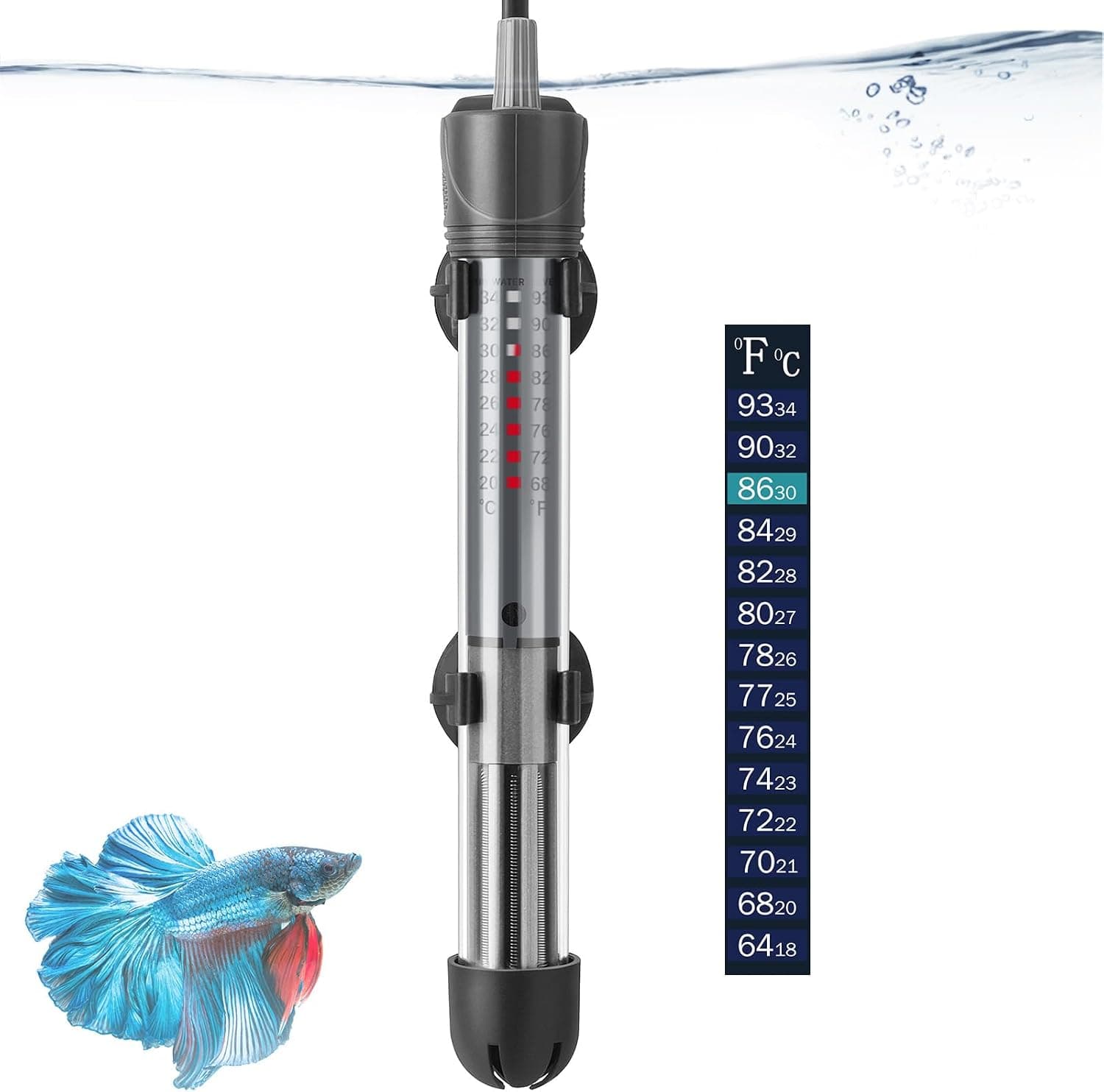
+ The 25W output is sized for 5-10Gal tanks without big temperature swings
From our guide: Best Aquarium Heaters for Planted Tanks (2026)
Popular right now
- Best CO2 Regulators for Planted Tanks (2026)Buying guide
- Low-Tech vs High-Tech Planted Tanks ComparedArticle
- Setting Up a Shrimp-Safe Planted TankArticle
- How to Choose an Aquarium HeaterArticle
- Aquarium Quarantine Basics for New Fish and PlantsArticle
- Dosing Fertilizers in a Planted TankArticle
Based on the last 28 days of search and visitor data.