Aquarium Quarantine Basics for New Fish and Plants
Published How we research
Quarantining new fish, plants, and invertebrates for a period of observation before adding them to your main tank protects it from diseases and pests, since new arrivals are frequently stressed and may harbor illnesses not yet showing symptoms. A quarantine tank needs only a heater, gentle filter, and simple hiding places, kept sparse for easy observation and medication. A few weeks of watching for spots, clamped fins, or appetite loss gives most illnesses time to reveal themselves. Plants and invertebrates can carry hitchhikers like pest snails or pesticides, so rinse and inspect them too. Quarantine is far less trouble than treating a whole stocked tank for an outbreak. Quarantine is one of those practices that experienced aquarists swear by and beginners often skip, usually until a preventable disaster teaches them the lesson the hard way. The idea is simple: before adding any new fish, plant, or invertebrate to your main display, you keep it separate for a period of observation and treatment. This protects your established tank from diseases, parasites, and pests that new arrivals so often carry.
Products from this article
The highest-scoring picks from the buying guides this article links to. Scores are our editorial assessment, not customer ratings.
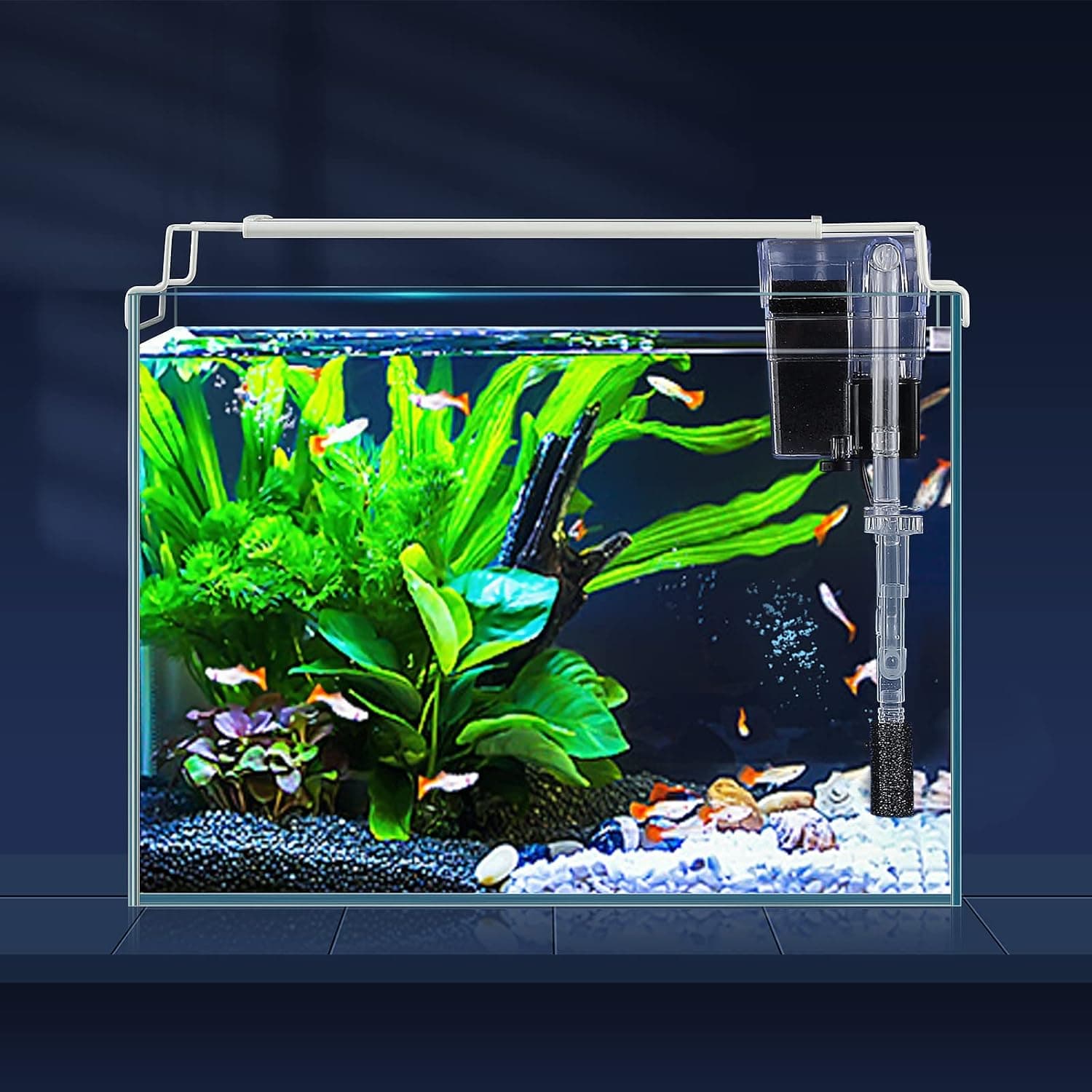
+ Filter and LED arrive together, so the tank can be cycled soon after unboxing
From our guide: Best Aquarium Kits for Planted Tanks (2026)
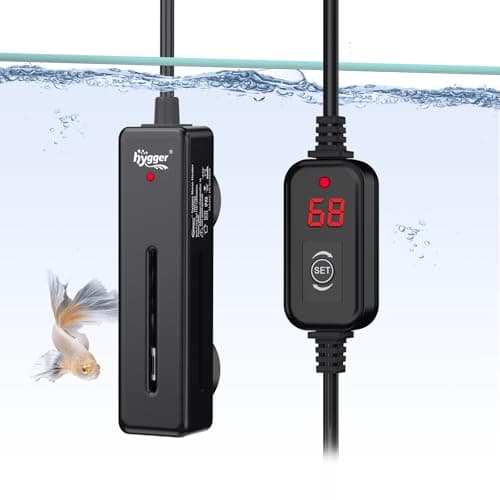
+ External controller sets the temperature and shows the current water temperature on a digital display
From our guide: Best Aquarium Heaters for Planted Tanks (2026)
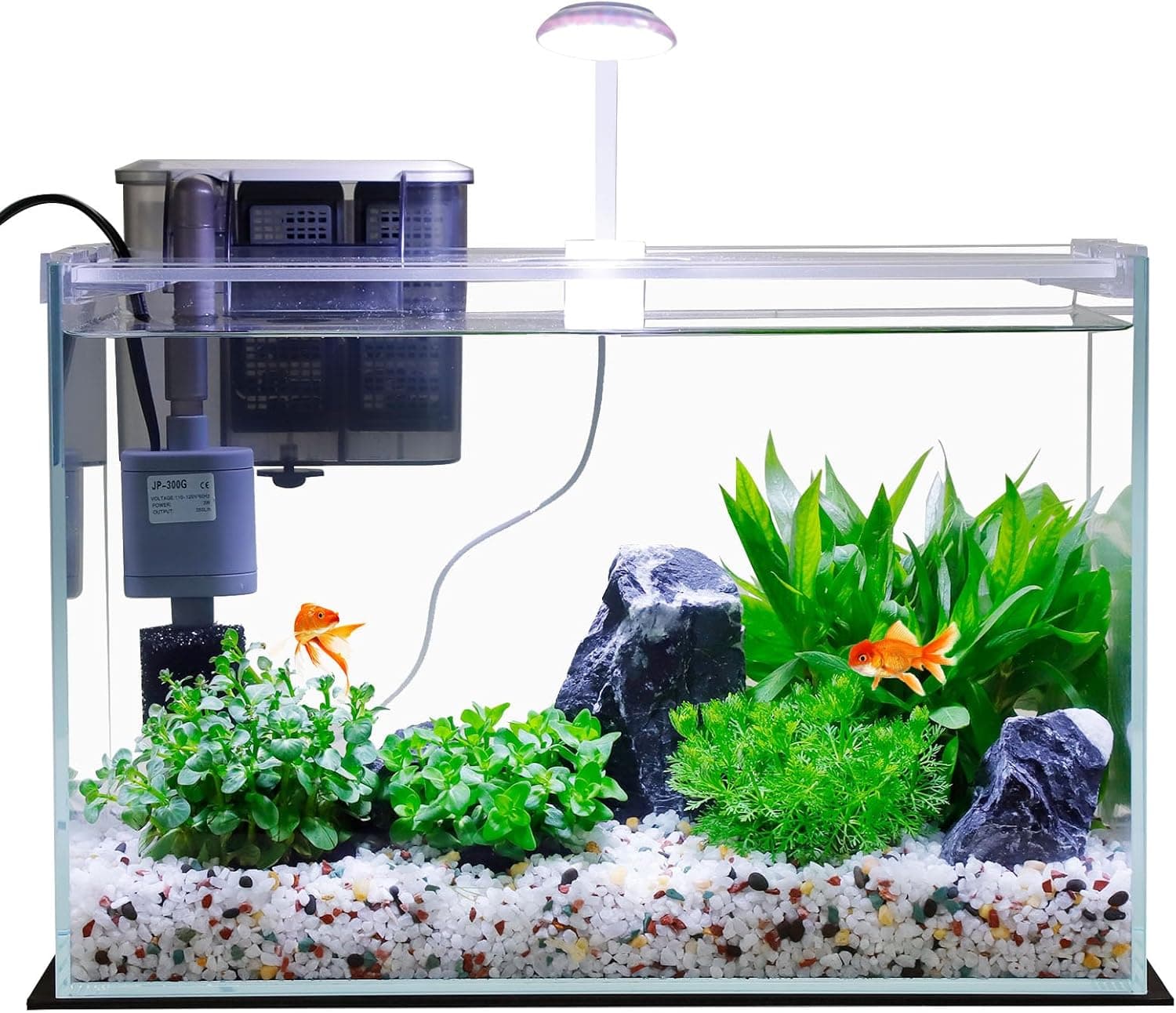
+ Included lid cuts evaporation and stops jumpers, which many starter kits skip
From our guide: Best Aquarium Kits for Planted Tanks (2026)
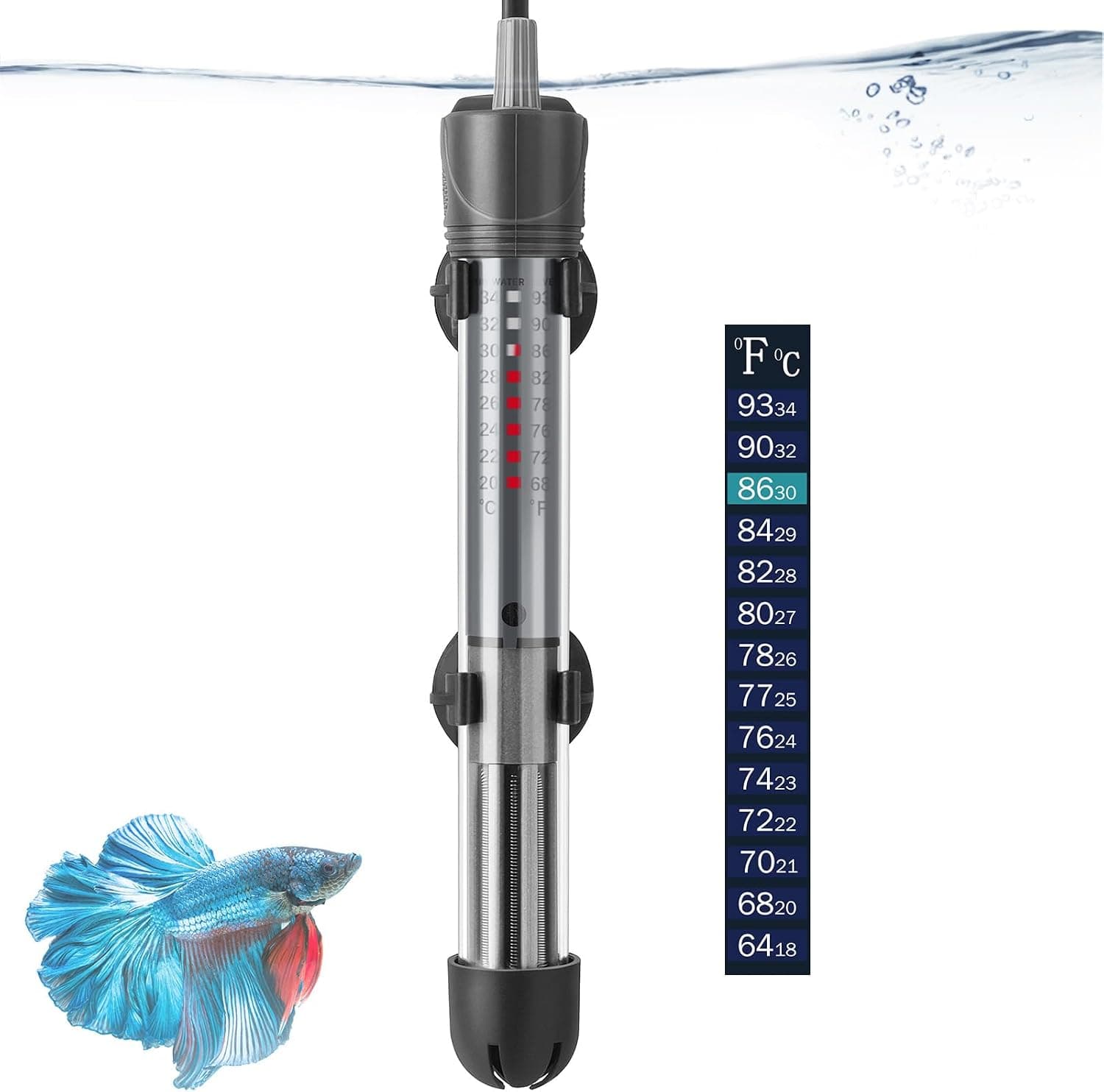
+ The 25W output is sized for 5-10Gal tanks without big temperature swings
From our guide: Best Aquarium Heaters for Planted Tanks (2026)
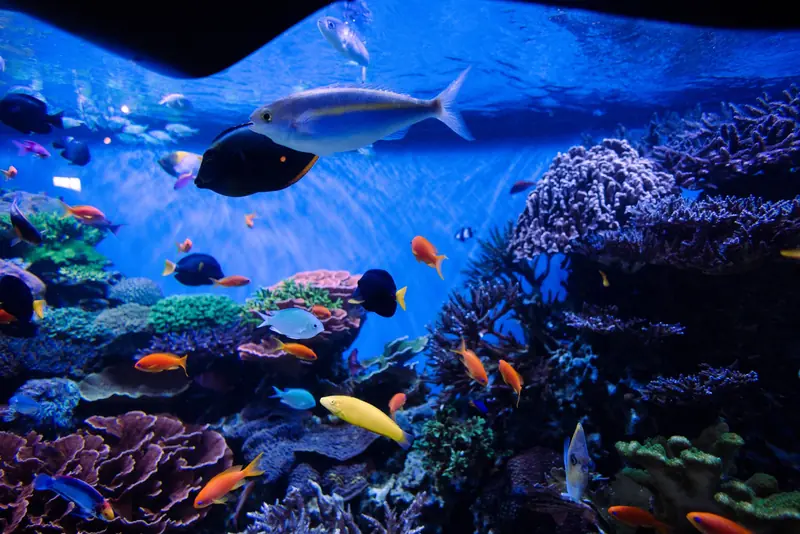
The reason quarantine matters for new arrivals
The reason quarantine matters is that new fish are frequently stressed and may be harboring illnesses that have not yet shown symptoms. Introducing them directly to your main tank can unleash an outbreak among your existing, healthy fish, and treating a fully stocked display tank is far harder than treating a small isolated one. A quarantine period lets you catch and address problems before they spread.
Setting up a quarantine tank does not require much
Setting up a quarantine tank does not require anything fancy. A modest bare-bottom tank with a heater, a gentle filter, and some simple hiding places such as a plastic plant or a piece of pipe is enough. Keeping it sparse makes it easy to observe the fish, easy to clean, and easy to medicate without a substrate or decorations absorbing the treatment. A cycled sponge filter kept ready in your main tank can jump-start the quarantine tank's biological filtration.
During quarantine you simply watch and wait
During quarantine you simply watch and wait. A period of a few weeks gives most common illnesses time to reveal themselves, so you can observe the new fish for signs of disease such as spots, unusual behavior, clamped fins, or loss of appetite. If problems appear, you treat them in isolation. If the fish stays healthy through the whole period, you can add it to your display with far more confidence.
Plants and invertebrates deserve attention too
Plants and invertebrates deserve attention too, because they can carry hitchhikers such as pest snails, snail eggs, or even parasites and pesticides from the supplier. Quarantining or at least rinsing and inspecting new plants before adding them helps keep unwanted pests out of your aquascape. Some aquarists dip or rinse new plants as an extra precaution, being careful to use only methods safe for the plant species.
Quarantine is insurance for the tank you've built
Quarantine takes patience and a bit of extra equipment, but it is far less trouble than fighting a disease outbreak across an entire stocked tank. Think of it as insurance for the community you have worked hard to build. Make it a routine habit for every new addition, and you dramatically reduce the odds of ever having to treat your beautiful main display for a preventable problem.
Frequently asked questions
Why should new aquarium fish be quarantined before adding them to a main tank? New fish are frequently stressed and may harbor illnesses not yet showing symptoms; introducing them directly can unleash an outbreak among healthy fish, and treating a small isolated tank is far easier than a fully stocked one.
What do I need to set up a quarantine tank? A modest bare-bottom tank with a heater, a gentle filter, and simple hiding places like a plastic plant, kept sparse for easy observation, cleaning, and medicating.
How long should new fish stay in quarantine? A period of a few weeks gives most common illnesses time to reveal themselves, letting you observe for spots, unusual behavior, clamped fins, or loss of appetite before adding the fish to your display.
Do aquarium plants need to be quarantined too? Yes, plants and invertebrates can carry hitchhikers such as pest snails, snail eggs, or pesticides from the supplier, so quarantining or at least rinsing and inspecting new plants helps keep pests out.
Popular right now
- Best Clip-On Aquarium Lights for Planted Tanks (2026)Buying guide
- Best Nano Aquariums for Planted Tanks (2026)Buying guide
- Best Low-Iron Glass Tanks for Aquascaping (2026)Buying guide
- Best CO2 Regulators for Planted Tanks (2026)Buying guide
- Best Full-Spectrum Grow Lights for Planted Tanks (2026)Buying guide
- Best CO2 Tubing for Planted Tanks (2026)Buying guide
Based on the last 28 days of search and visitor data.