Common Beginner Aquascaping Mistakes to Avoid
Published How we research
Getting into aquascaping is exciting, and that enthusiasm is exactly what leads many beginners into the same handful of avoidable mistakes. Knowing these pitfalls in advance will save you money, frustration, and the disappointment of watching a promising tank struggle. Almost every one of them comes down to patience, restraint, and respecting the biology of the tank.
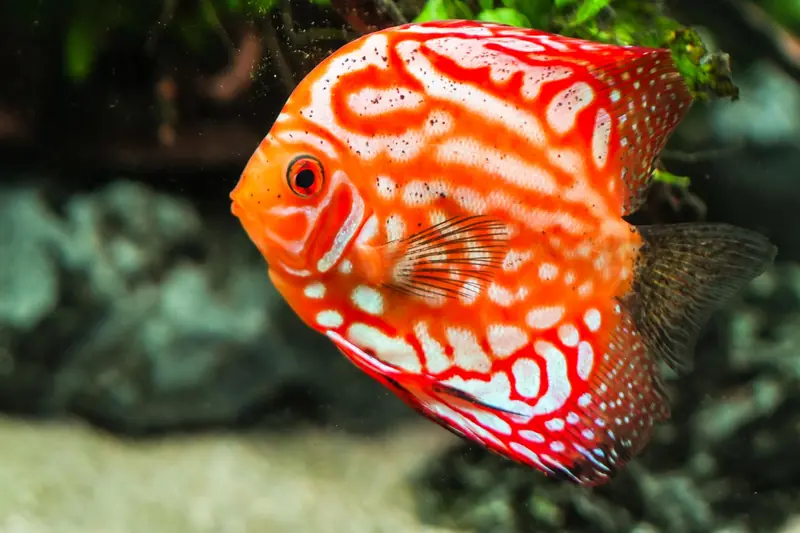
The most common mistake of all is impatience. Newcomers want a finished, stocked, fully grown tank immediately, so they skip cycling, add fish too soon, and expect plants to fill in overnight. A planted aquarium is a living system that matures over months, not days. Rushing it leads to dead fish, melting plants, and algae. Learning to wait, to let the tank cycle and the plants establish, is the single most valuable skill a beginner can develop.
Overstocking and overfeeding run a close second. It is tempting to fill a new tank with every fish you like, but too many fish overwhelm the biological filtration and pollute the water. Likewise, feeding more than the fish can eat in a short time leaves food to rot and fuel both ammonia and algae. Stock slowly and lightly, feed sparingly, and your tank will stay far healthier and clearer.
Another frequent error is choosing the wrong plants for the setup. Beginners often buy demanding, high-light, CO2-hungry plants for a low-tech tank, then watch them melt away and blame themselves. Matching your plants to your actual equipment and light level is essential. Starting with hardy, forgiving species builds confidence and success before you attempt anything more challenging.
Many beginners also neglect the hardscape and composition, cramming in decorations and plants without a plan. The result is a busy, cluttered tank with no sense of depth or focus. Taking time to arrange your rocks and wood thoughtfully, leaving open space, and following simple composition ideas like placing a focal point off-center produces a far more pleasing and natural-looking result.
Finally, beginners often chase quick fixes for problems instead of addressing root causes. Dumping in algae treatments, clarity chemicals, and pH adjusters tends to create instability that causes more harm than the original issue. The reliable path is patience, consistent water changes, balanced light and nutrients, and changing one thing at a time. Avoid these common traps, respect the tank's biology, and you will dramatically shorten the road from beginner to confident aquascaper.
Popular right now
- Best Clip-On Aquarium Lights for Planted Tanks (2026)Buying guide
- Best Nano Aquariums for Planted Tanks (2026)Buying guide
- Best Low-Iron Glass Tanks for Aquascaping (2026)Buying guide
- Best CO2 Regulators for Planted Tanks (2026)Buying guide
- Best Full-Spectrum Grow Lights for Planted Tanks (2026)Buying guide
- Best CO2 Tubing for Planted Tanks (2026)Buying guide
Based on the last 28 days of search and visitor data.