Controlling Algae in a Planted Aquarium
Published How we research

Almost every planted tank goes through an algae phase, and for many aquarists it becomes the most frustrating part of the hobby. The key mental shift is to stop treating algae as an enemy to be attacked and start treating it as a symptom of imbalance. When the environment favors your plants, algae struggles to compete; when something is out of balance, algae seizes the opportunity.
Products from this article
The highest-scoring picks from the buying guides this article links to. Scores are our editorial assessment, not customer ratings.
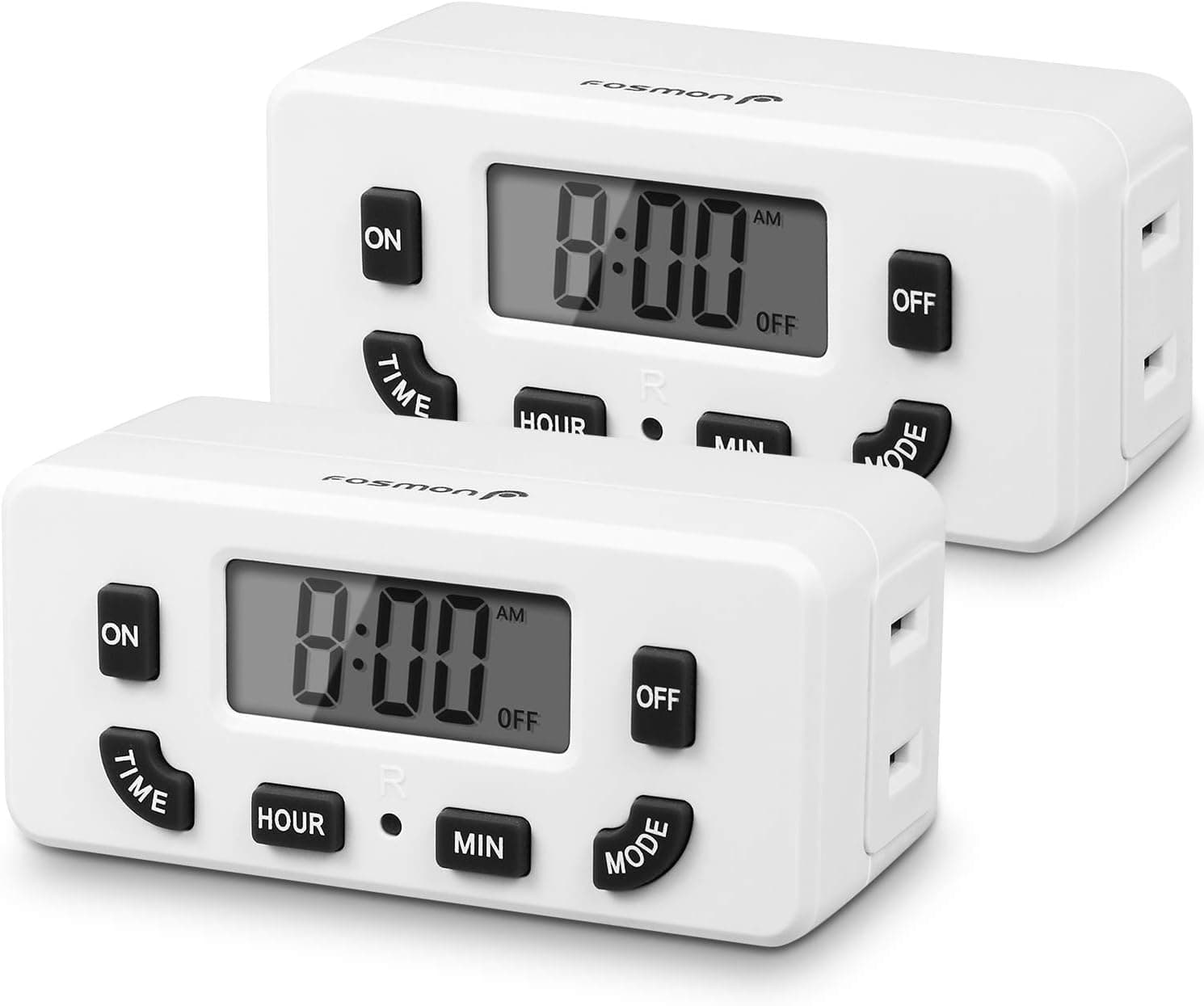
+ The 8 On/Off programs allow split photoperiods and siesta schedules
From our guide: Best Aquarium Light Timers and Controllers (2026)
+ Glass lid reduces evaporation and keeps jumping fish and shrimp inside
From our guide: Best Aquarium Lids and Covers for Planted Tanks (2026)
+ The 7 Day programming lets you run different schedules across the week
From our guide: Best Aquarium Light Timers and Controllers (2026)
+ The 24-Inch size fits a range of popular standard framed tanks
From our guide: Best Aquarium Lids and Covers for Planted Tanks (2026)



The three factors that drive algae are light, nutrients, and carbon, the very same things that drive plant growth. Problems arise when these are out of proportion to one another. Too much light without enough carbon and nutrients to use it is the classic trigger, which is why long photoperiods and overly bright fixtures so often lead to green outbreaks. The first thing to check is almost always your lighting duration and intensity.
Excess nutrients also feed algae, and the usual culprit is not fertilizer but organic waste. Overfeeding, overstocking, and letting debris accumulate all load the water with the compounds algae loves. A regular routine of water changes, gravel cleaning, and filter maintenance removes that excess and denies algae its fuel. Do not starve your plants of fertilizer to fight algae, though; weak, struggling plants lose the competition and make algae worse.
Healthy, fast-growing plants are your best defense because they consume the same resources algae needs. A heavily planted tank, especially one with fast-growing stem plants and floating plants, outcompetes algae far more effectively than a sparse one. When starting a new tank, planting heavily from day one is one of the smartest moves you can make to head off early outbreaks.
A cleanup crew helps keep things in check as well. Certain shrimp, snails, and algae-eating fish graze constantly on surfaces and keep minor growth from getting established. They will not fix an underlying imbalance, but as part of a balanced system they are a valuable line of defense and add life and interest to the tank.
When you do get an outbreak, respond calmly and methodically. Identify the type of algae, manually remove what you can, do a water change, and adjust one variable at a time, usually starting by shortening the photoperiod. Give each change a couple of weeks to show results rather than throwing everything at the tank at once. Patience and consistency beat panic every time.
Popular right now
- Best Clip-On Aquarium Lights for Planted Tanks (2026)Buying guide
- Best Nano Aquariums for Planted Tanks (2026)Buying guide
- Best Low-Iron Glass Tanks for Aquascaping (2026)Buying guide
- Best CO2 Regulators for Planted Tanks (2026)Buying guide
- Best Full-Spectrum Grow Lights for Planted Tanks (2026)Buying guide
- Best CO2 Tubing for Planted Tanks (2026)Buying guide
Based on the last 28 days of search and visitor data.