How to Clean a Canister Filter the Right Way
Published How we research
Cleaning a canister filter is straightforward, but the wrong method harms your tank. The key rule: never rinse biological media under hot or chlorinated tap water, which kills the bacteria that process ammonia and nitrite and can trigger a mini-cycle. Clean all media in a bucket of tank water instead. Swish and squeeze the mechanical sponges thoroughly, rinse the biological media only gently, clean the impeller and check the O-rings, and service every one to three months, never at the same time as a big water change. A canister filter is the workhorse of many planted and community tanks, quietly circulating and cleaning water around the clock. Because it hides so much media inside a sealed housing, it is easy to forget about until flow drops off. Cleaning it correctly is straightforward, but doing it the wrong way can harm your tank, so it is worth understanding the right approach.
Products from this article
The highest-scoring picks from the buying guides this article links to. Scores are our editorial assessment, not customer ratings.
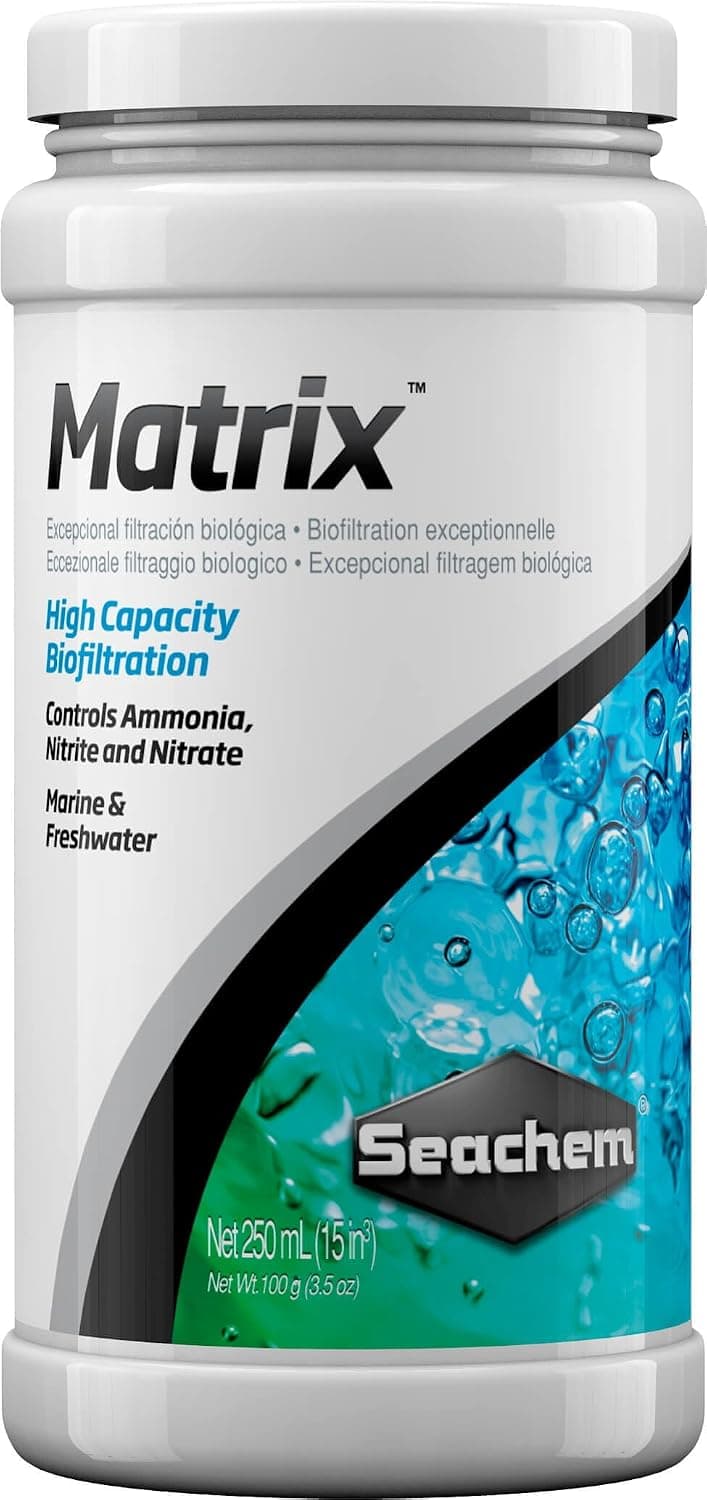
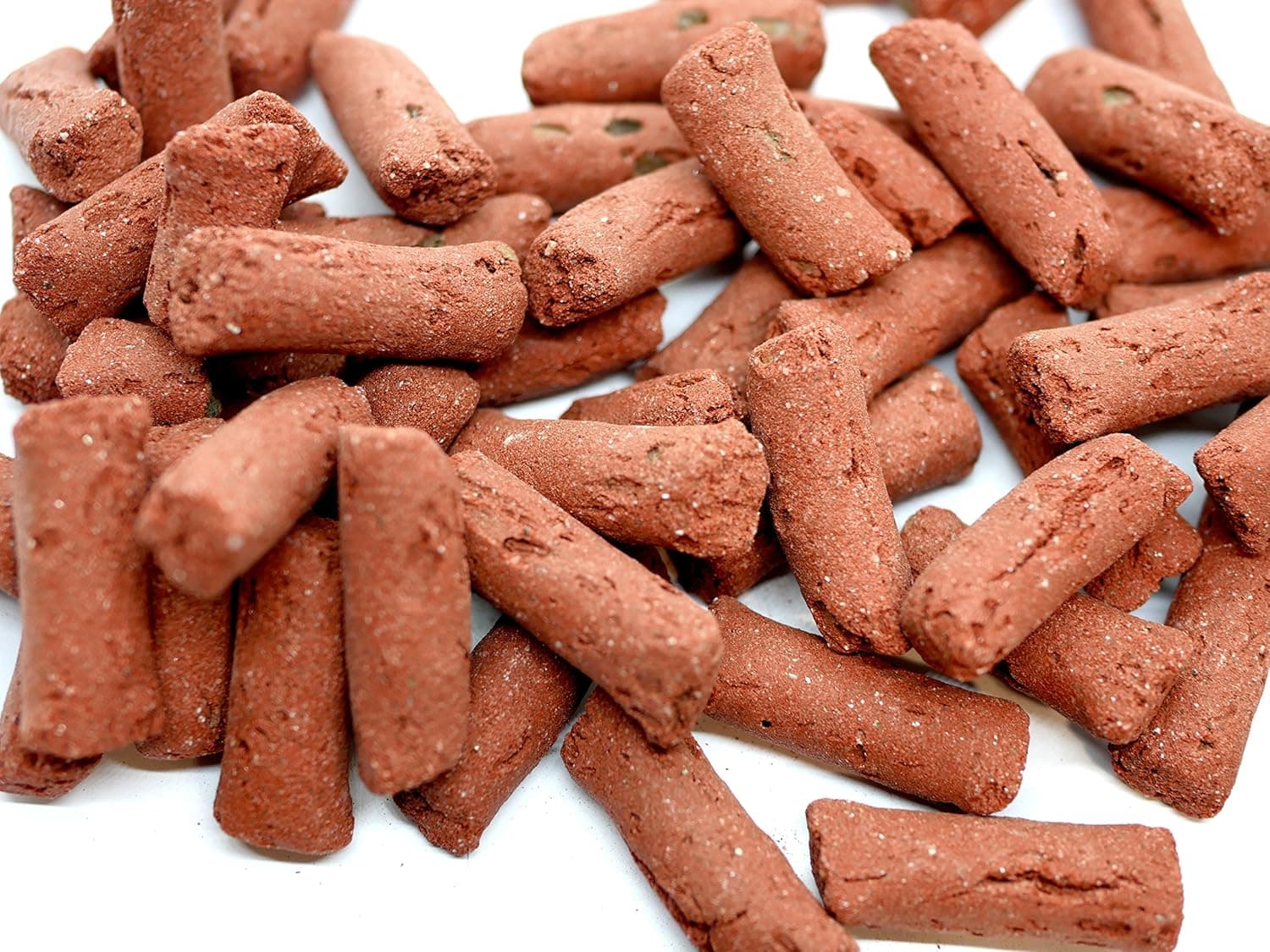
+ The 1 Liter tub fills a full tray in most mid-size canister filters
From our guide: Best Biological Media for Planted Tanks (2026)
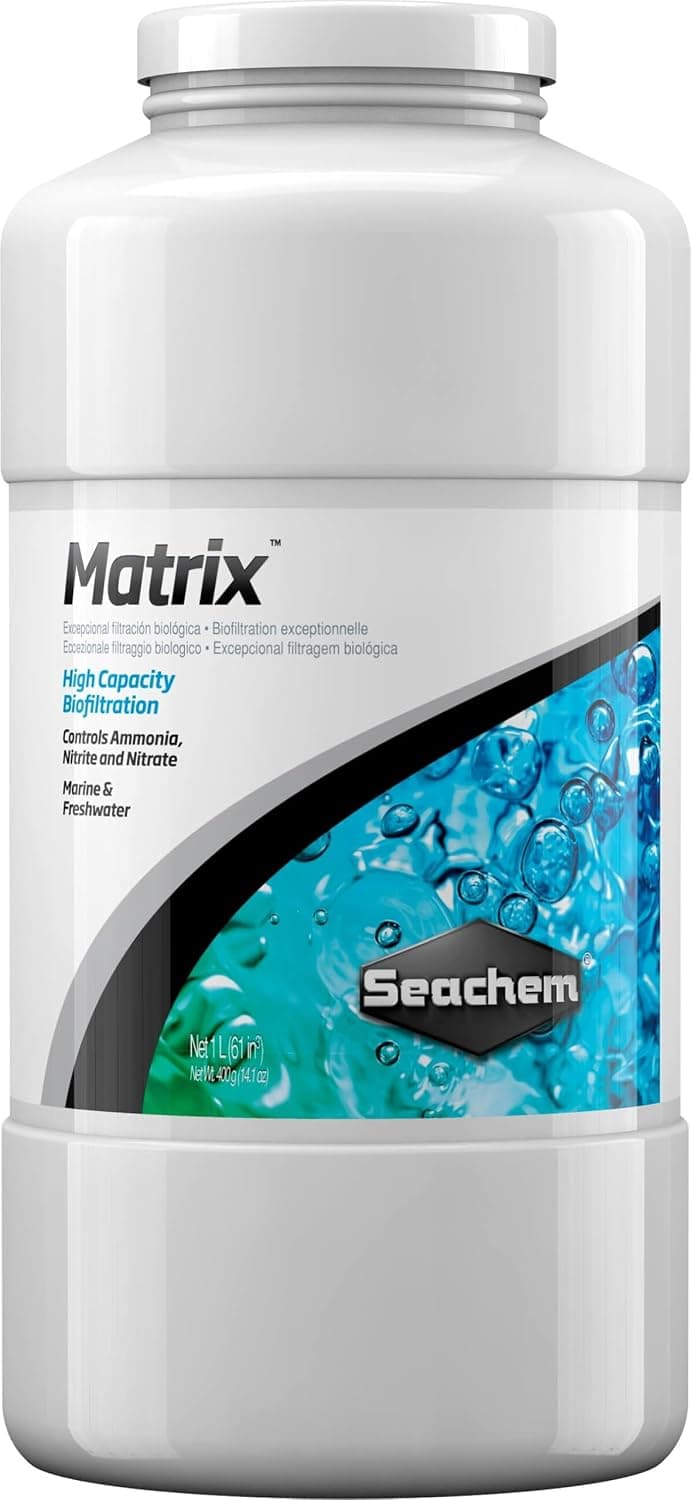
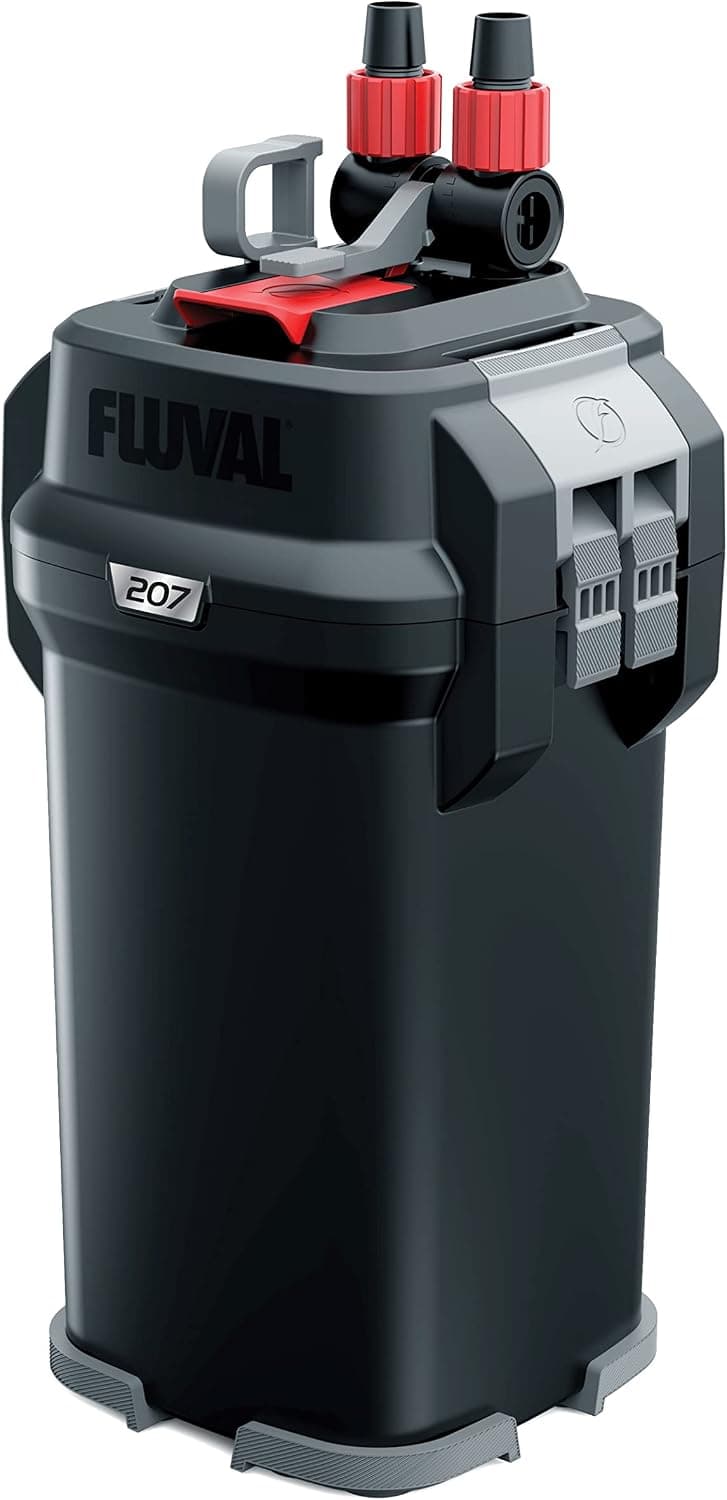
+ External canister moves bulky media out of the tank for a clean scape
From our guide: Best Canister Filters for Planted Tanks (2026)
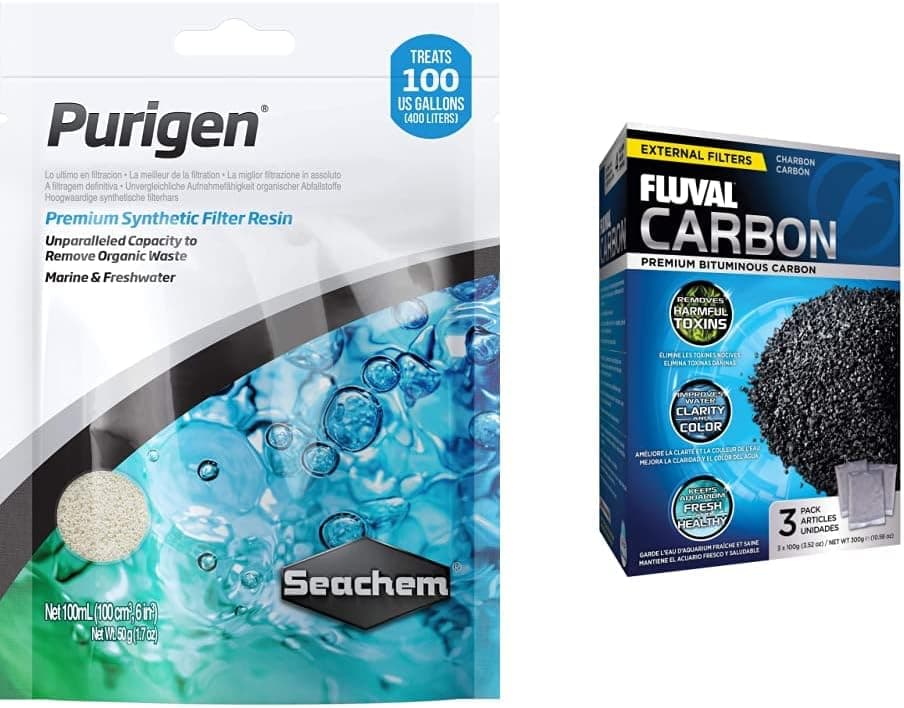
+ Purigen is rechargeable with bleach, so it can be reused many times
From our guide: Best Filter Media for Planted Tanks (2026)
+ Sintered glass media is prized for supporting both aerobic and anaerobic bacteria
From our guide: Best Biological Media for Planted Tanks (2026)
The one rule: protect your beneficial bacteria
The single most important rule is to protect your beneficial bacteria. The biological media inside your filter houses the colonies that process ammonia and nitrite, and those bacteria are essential to your tank's health. Never rinse biological media under hot or chlorinated tap water, because that will kill the bacteria and can trigger a dangerous mini-cycle. Always clean media in a bucket of water taken from the tank instead.
Prepare before you open the canister
Before you begin, unplug the filter and have your supplies ready: a bucket, some old towels, and a source of dechlorinated water. Canister filters hold a lot of water, so disconnect the hoses carefully to avoid spills, and work somewhere you will not mind a few drips. Open the canister and take note of how the media trays are arranged so you can reassemble everything in the same order.
Clean mechanical media thoroughly, biological media gently
Clean the mechanical media, such as sponges and floss, most thoroughly, because their job is to trap debris and they clog the fastest. Swish and squeeze sponges in the bucket of tank water until the heavy gunk is gone, but do not scrub them spotless; a little biological activity lives here too. Replace fine floss pads if they are falling apart, and rinse the biological media only gently to remove sludge without stripping away the bacterial film.
Clean the impeller and check the seals
While the canister is open, take the opportunity to clean the impeller and its housing, since this is a common spot for reduced flow. Slime and debris build up around the impeller over time, and a soft brush clears it out and restores performance. Check the seals and O-rings for wear and make sure they are seated properly before closing everything back up, as a poor seal is the usual cause of leaks.
How often to service a canister filter
How often you should do this depends on your tank, but many aquarists service a canister every one to three months, or whenever they notice the flow weakening. Do not clean the canister at the same time as a major substrate cleaning or a big water change, so you never disturb too much of the tank's biology at once. Prime and restart the filter, confirm water is flowing normally, and your tank is good to go.
Frequently asked questions
How do I clean a canister filter without killing beneficial bacteria? Never rinse the biological media under hot or chlorinated tap water. Clean all media in a bucket of water taken from the tank, swishing mechanical sponges thoroughly and rinsing biological media only gently.
How often should I clean my canister filter? Every one to three months for most tanks, or whenever the flow noticeably weakens. Do not clean it at the same time as a major substrate cleaning or a big water change.
Why has my canister filter's flow dropped? Usually clogged mechanical media, or slime and debris built up around the impeller. Squeeze out the sponges in tank water and clear the impeller housing with a soft brush.
Why is my canister filter leaking after cleaning? A worn or poorly seated seal. Check the O-rings for wear and make sure they are seated properly before closing the canister back up.
Popular right now
- Best Clip-On Aquarium Lights for Planted Tanks (2026)Buying guide
- Best Nano Aquariums for Planted Tanks (2026)Buying guide
- Best Low-Iron Glass Tanks for Aquascaping (2026)Buying guide
- Best CO2 Regulators for Planted Tanks (2026)Buying guide
- Best Full-Spectrum Grow Lights for Planted Tanks (2026)Buying guide
- Best CO2 Tubing for Planted Tanks (2026)Buying guide
Based on the last 28 days of search and visitor data.