How to Do an Aquarium Water Change the Right Way
Published How we research
If there is one habit that separates thriving aquariums from struggling ones, it is the regular water change. No filter, plant, or gadget replaces the simple act of removing some old water and replacing it with fresh, conditioned water. Water changes export the waste that builds up between them, replenish minerals that plants and animals consume, and keep your tank stable and healthy over the long term.
Products from this article
The highest-scoring picks from the buying guides this article links to. Scores are our editorial assessment, not customer ratings.
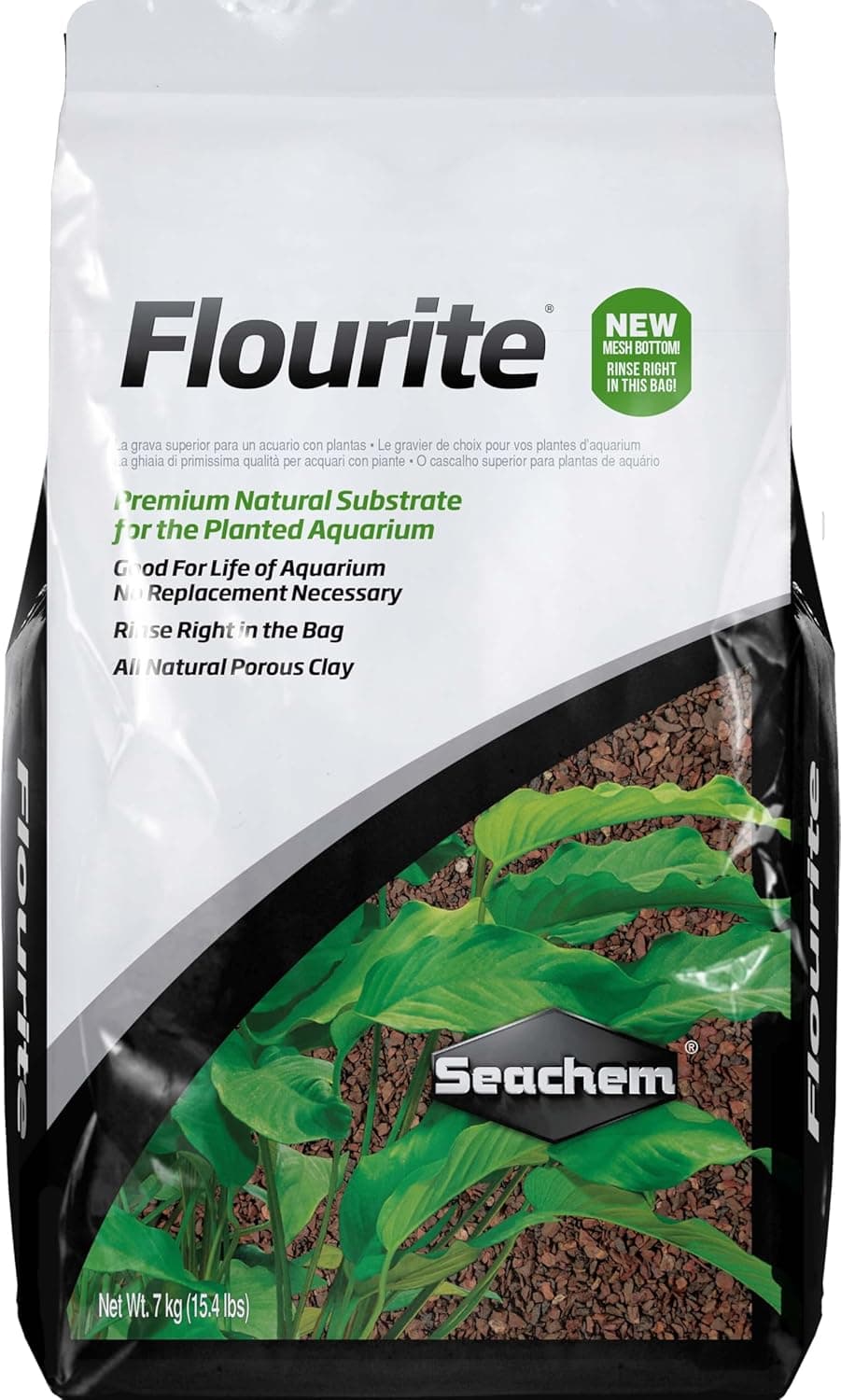
+ Porous clay gravel does not break down like aqua soils
From our guide: Best Planted Tank Substrate (2026)
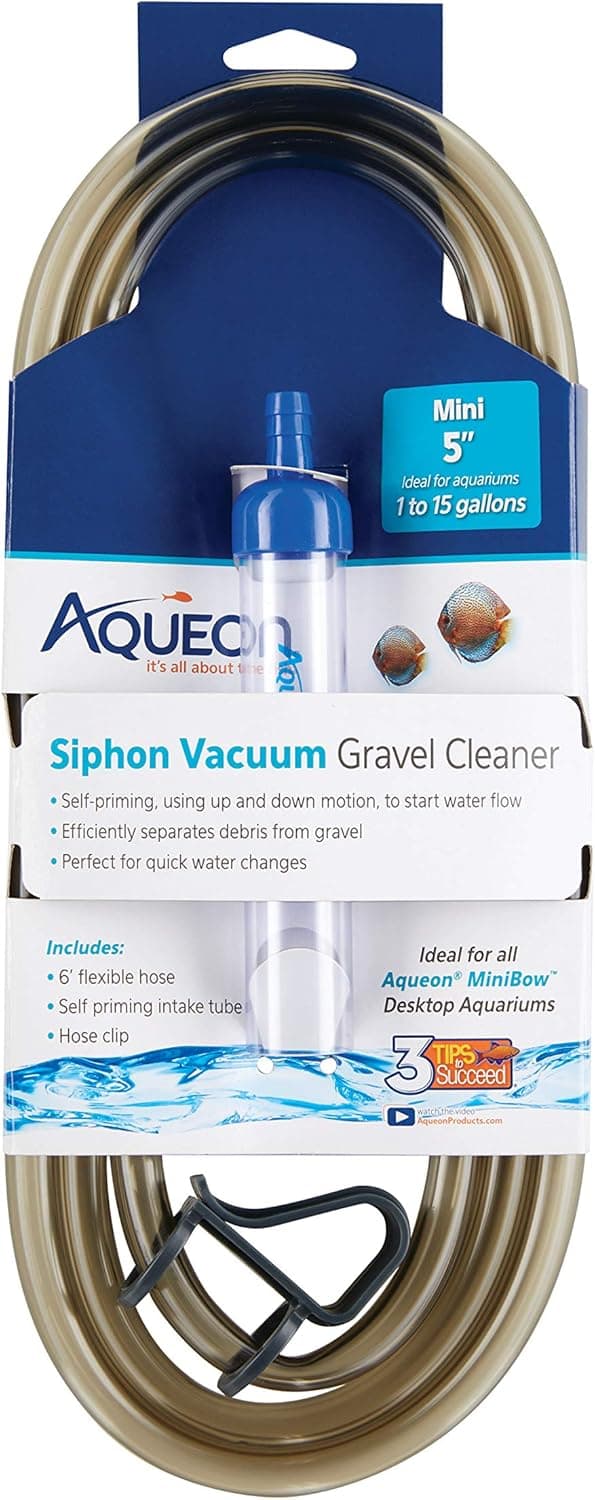
+ Mini 5 Inches tube reaches into nano tanks without disturbing plants
From our guide: Best Gravel Vacuums for Planted Tanks (2026)
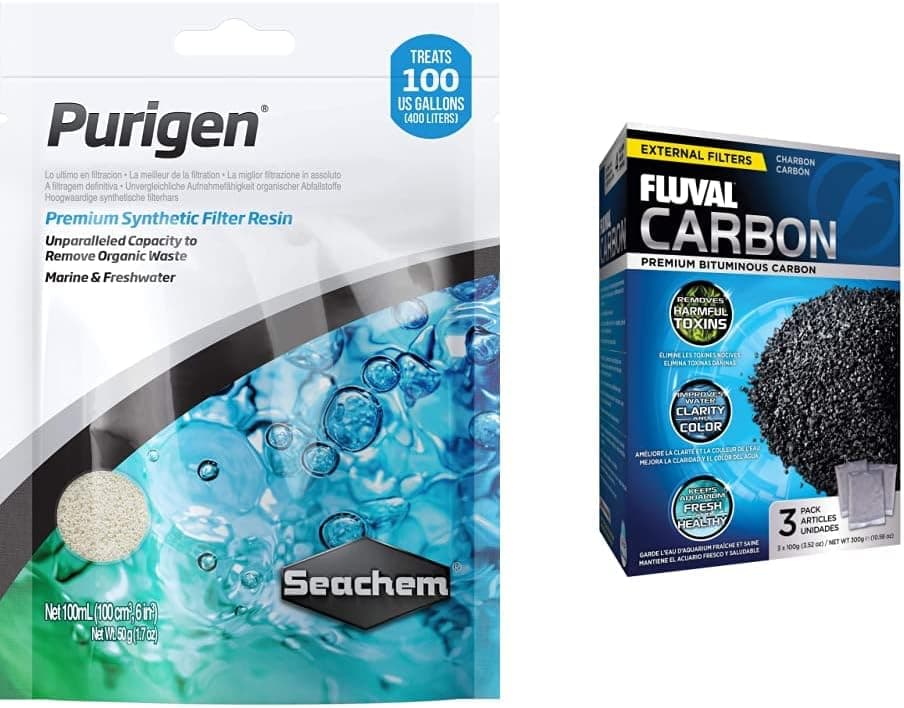
+ Purigen is rechargeable with bleach, so it can be reused many times
From our guide: Best Filter Media for Planted Tanks (2026)
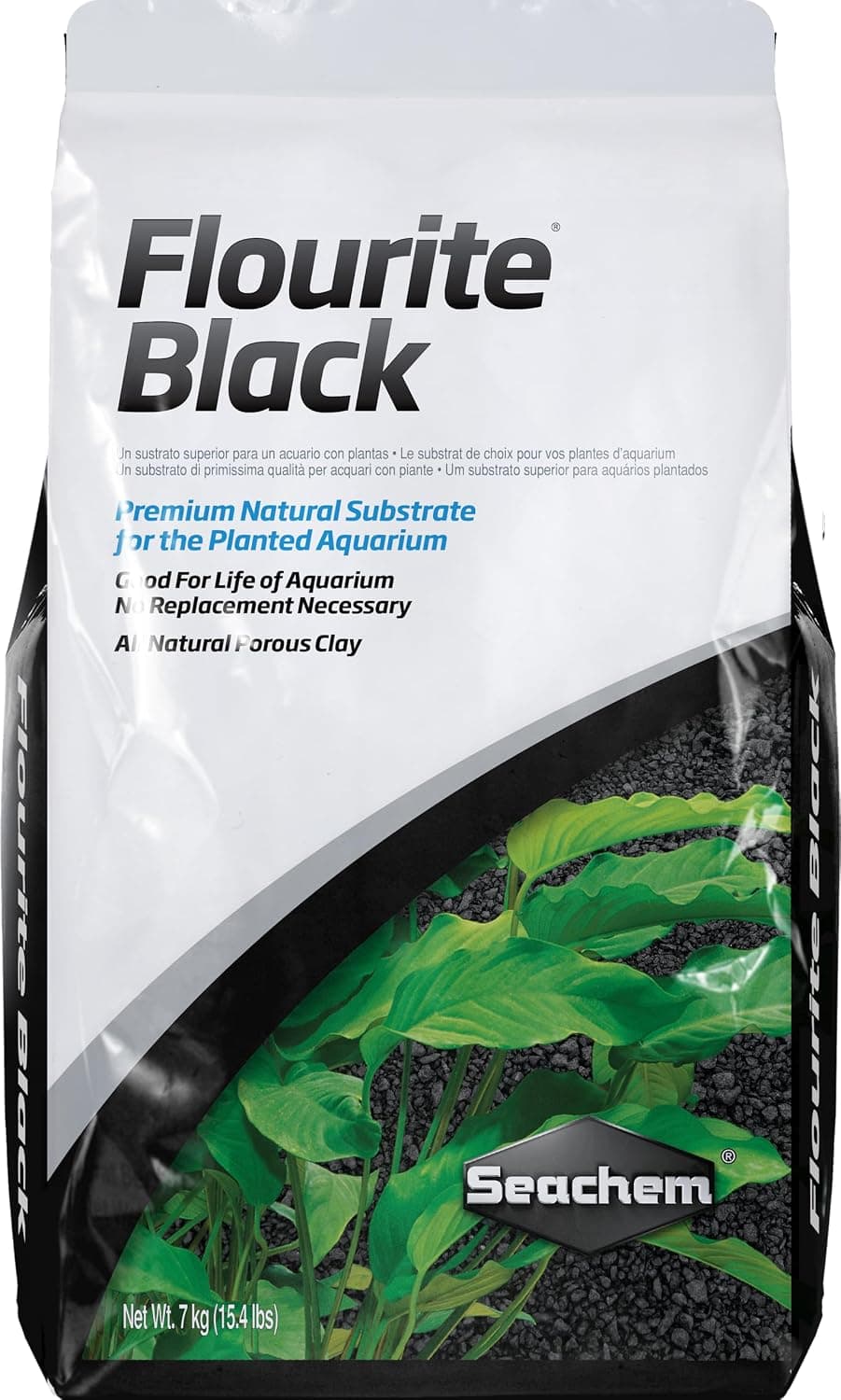
+ Black gravel makes plant greens and fish colors stand out
From our guide: Best Planted Tank Substrate (2026)
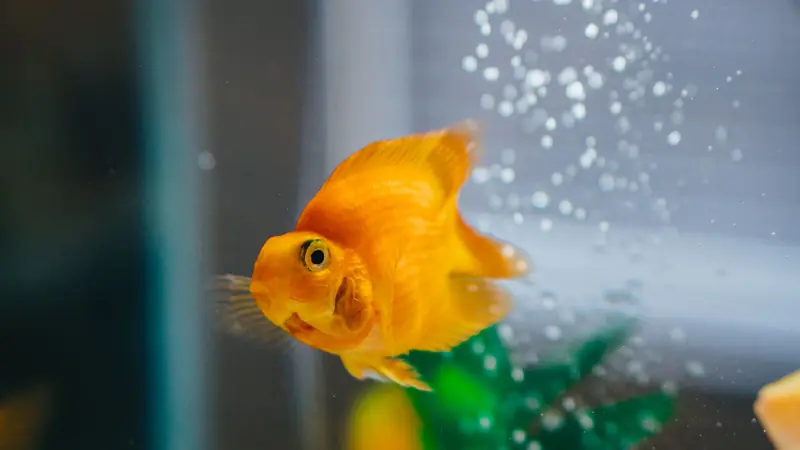
The main job of a water change is to dilute and remove nitrate and other dissolved wastes that accumulate over time. Even in a well-filtered, planted tank, the nitrogen cycle ends in nitrate, which has nowhere to go except out through water changes. Left unchecked, nitrate and other organics slowly climb, stressing fish and encouraging algae. Regular changes reset these levels and keep the water fresh.
As a general starting point, changing something like a quarter to a third of the water once a week suits many tanks, though the right amount depends on your stocking, feeding, and plant load. A lightly stocked, heavily planted tank may need less, while a busy community tank benefits from more. Consistency matters more than any exact figure; a steady weekly routine keeps parameters stable far better than occasional large changes.
Technique makes water changes more effective. Using a gravel vacuum, or siphon, lets you remove water while simultaneously pulling out the debris and uneaten food that settle into the substrate, so you are cleaning and refreshing at the same time. In planted areas where you cannot dig into the substrate, simply hover the siphon just above the surface to lift loose detritus without uprooting plants.
The most important safety step is treating the replacement water before it goes in. Tap water almost always contains chlorine or chloramine, which are added to make it safe for people but are harmful to fish and to your beneficial bacteria. A water conditioner, or dechlorinator, neutralizes these instantly. Aim to match the new water's temperature roughly to the tank so you do not shock your livestock with a sudden change.
Build water changes into a routine you can actually sustain, because the best schedule is the one you will stick to. Keep your equipment handy so the chore stays quick and painless, and you will find that a stable, well-maintained tank has fewer algae problems, healthier fish, and better plant growth. It is unglamorous work, but it is genuinely the foundation of successful fishkeeping.
Popular right now
- Best Clip-On Aquarium Lights for Planted Tanks (2026)Buying guide
- Best Nano Aquariums for Planted Tanks (2026)Buying guide
- Best Low-Iron Glass Tanks for Aquascaping (2026)Buying guide
- Best CO2 Regulators for Planted Tanks (2026)Buying guide
- Best Full-Spectrum Grow Lights for Planted Tanks (2026)Buying guide
- Best CO2 Tubing for Planted Tanks (2026)Buying guide
Based on the last 28 days of search and visitor data.