How to Get Algae Off Aquarium Plants Without Killing Them
Published How we research

The fastest way to get algae off aquarium plants is to remove what you can by hand, trim the leaves that are too covered to save, and spot treat the rest. Then fix the light, nutrient or flow problem that let it grow, or it returns within weeks. The right method depends on the algae type and on how delicate the plant is, so identify what you are looking at first.
Products from this article
The highest-scoring picks from the buying guides this article links to. Scores are our editorial assessment, not customer ratings.
+ Razor blade removes hard spot algae that sponges cannot shift
From our guide: Best Algae Scrapers
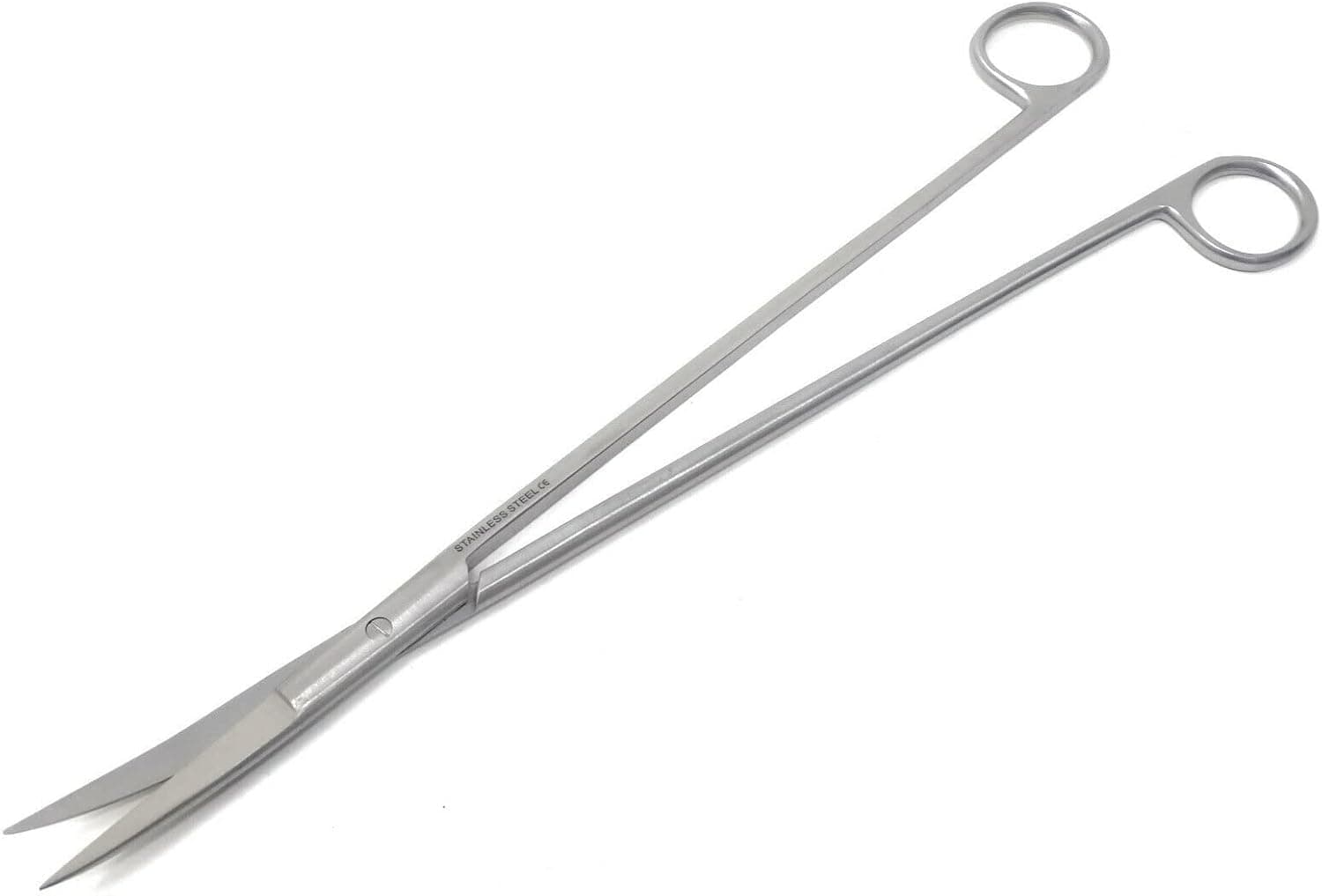
+ Curved blades trim carpet plants flat without digging in
From our guide: Best Aquascaping Scissors
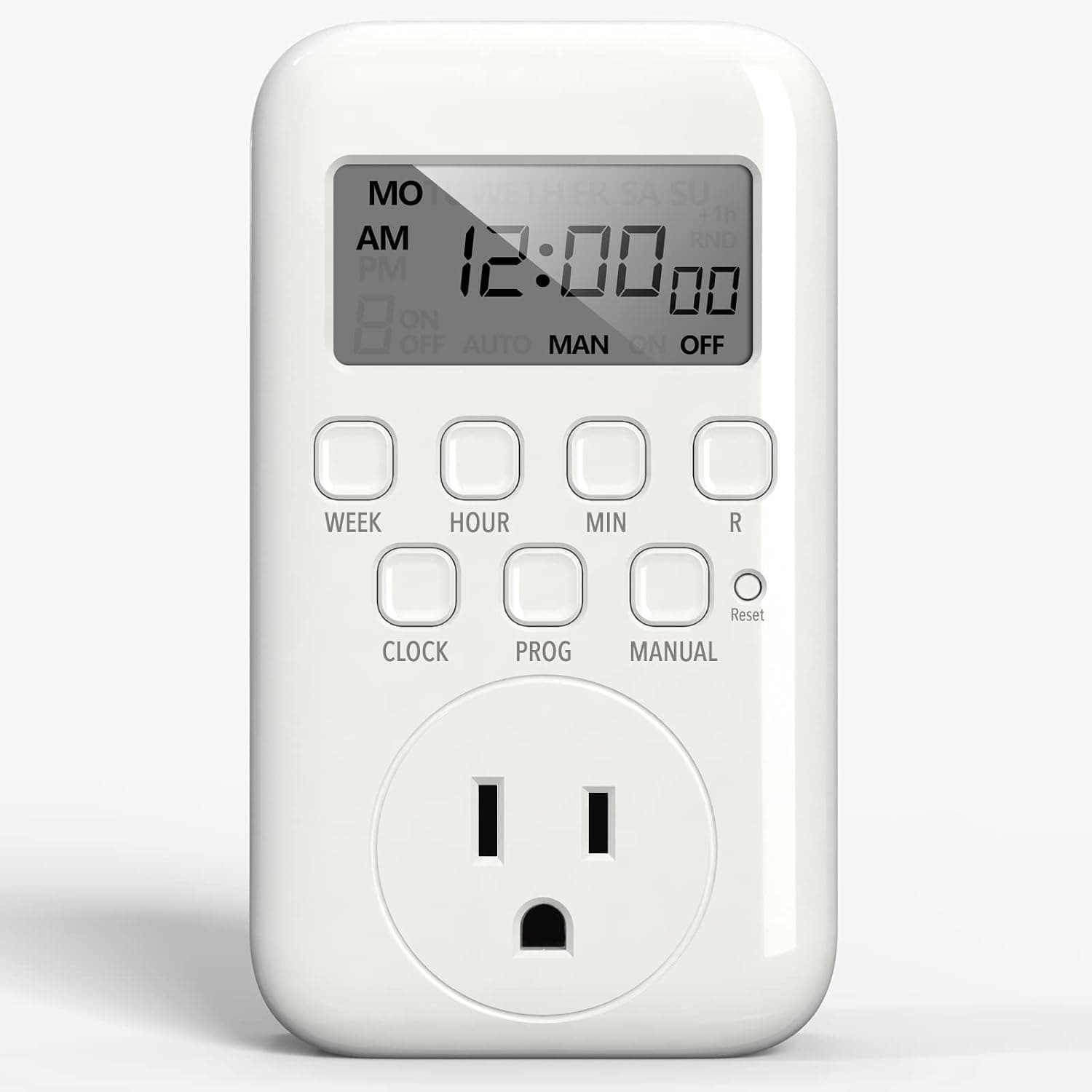
+ The 8 On/Off programs allow split photoperiods and siesta schedules
From our guide: Best Aquarium Light Timers and Controllers (2026)
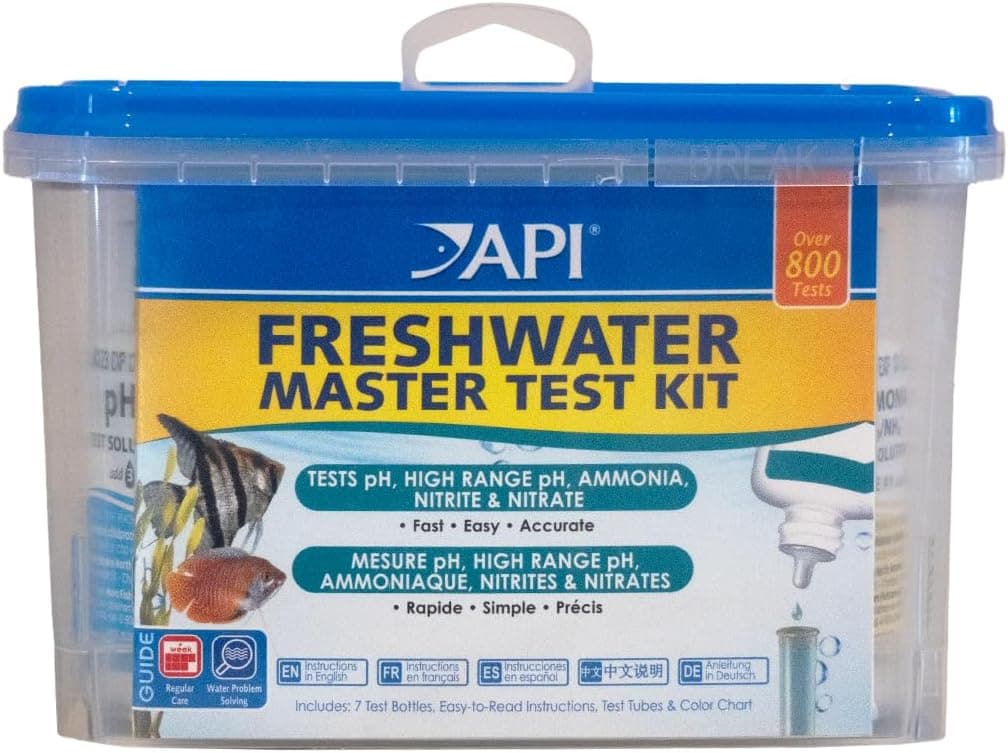
+ Liquid tests are more accurate than most strips
From our guide: Best Water Test Kits for Planted Tanks (2026)
Identify the algae before you treat it
Each algae type responds to a different fix. Green spot algae shows up as hard, round green dots on slow-growing leaves such as anubias and java fern and on the glass. Hair or thread algae forms soft green strands you can wind around a toothbrush. Black beard or brush algae is dark gray to black tufts, usually on leaf edges and in strong flow. Brown diatoms are a soft brown dust common in new tanks. Blue-green algae is a slimy sheet, often with a musty smell, that peels off in one layer.
Write down which one you have. Diatoms often fade on their own as the tank matures. Green spot algae points to low phosphate or too much light. Hair algae usually follows nutrient swings or excess light. Blue-green algae points to poor flow and dirty substrate.
Remove it by hand first
Manual removal is safe for every plant and shrimp tank. For hair algae, twist the strands around a soft toothbrush or a pair of tweezers and pull them out in one motion. Do it before a water change so the loose pieces get siphoned out instead of re-seeding the tank. For green spot on hardy leaves, rub gently with a thumbnail or a soft toothbrush, working along the leaf and not across it.
Rinse each plant in tank water, not tap water, if you take it out. A siphon held next to the plant catches the loose fragments. Scrape the glass at the same time, since spores on the glass spread back to the leaves. A scraper with a long handle keeps your hands out of the tank during this job. Blade scrapers are for glass only; use a plastic-bladed one on acrylic. Also vacuum the substrate surface. Blue-green and brown algae feed on waste that settles there.
Trim leaves that are too far gone
A leaf that is more than about half covered will not recover its look, even if the algae is killed. Cut it off at the base with sharp, curved scissors. On stem plants, snip the affected top or lower section and replant the clean tops. On anubias and java fern, cut the leaf at the stalk, not at the rhizome, so the plant keeps growing.
Removing old leaves also helps because slow, older leaves are where green spot and brush algae take hold first. New growth on a healthy plant comes in clean. If new leaves are also getting coated, the tank conditions are the cause, and trimming alone will not hold.
Spot treat or dip stubborn algae
For tufts that hand removal misses, a spot treatment works on hardy plants. Turn off the filter and powerheads, draw up liquid carbon or 3% hydrogen peroxide in a syringe, and squirt it directly onto the algae. Wait about 5 minutes, then restart the flow. Affected algae turns pink, red or white and then gets eaten or falls off. Keep the amount small and follow the product label, since fish and shrimp are sensitive to overdosing, and some plants such as vallisneria and certain mosses melt with liquid carbon products.
For a plant you can remove, such as an anubias on a rock, a short dip is an option. A common hobby recipe is one part household bleach to 19 parts water for 2 to 3 minutes, followed by a thorough rinse and a soak in dechlorinated water. Use it only on tough plants, never on mosses, delicate stems or anything going into a shrimp tank without a long rinse. If you are unsure about a plant, skip the dip and use hand removal and trimming.
Fix the cause so it does not return
Algae that comes back after cleaning means the balance is off. Check light first: most planted tanks do well on a 6 to 8 hour photoperiod, and a timer prevents the creep to 10 hours that causes trouble. Lights that are too bright for the plants you keep, or too close to the water, feed algae faster than plants can use the energy.
Next look at nutrients and CO2. Low nitrate or phosphate with plenty of light invites green spot and hair algae, while a big overdose invites everything. Steady, small doses on a schedule work better than occasional large ones. In high-tech tanks, unstable CO2 is a leading cause of brush algae. Test water rather than guessing.
Last, keep up with maintenance. Weekly water changes of roughly 30 to 50 percent, filter cleaning on schedule and removing dead leaves cut the nutrient load that algae feeds on.
Use clean-up crew help
Nerite snails graze green spot and diatoms off glass and hard leaves. Amano shrimp and many cherry shrimp pick at hair algae and biofilm. Otocinclus catfish eat soft diatoms but need a mature, well-fed tank. None of them replaces fixing the cause, and none of them eats black beard algae reliably, but they keep a balanced tank clean between your own sessions. Check species compatibility before buying, since some fish that eat algae will also eat plants or shrimp.
Frequently asked questions
Is algae on aquarium plants harmful to fish? Most common algae is not toxic to fish. It can smother plant leaves and block light, and a very large bloom can drop oxygen at night. Blue-green algae is actually cyanobacteria and is best removed quickly, along with its cause.
Should I remove plants to clean them? Only if they are loose or covered. Many plants can be cleaned in place, which avoids uprooting them. Hardy plants on rocks or wood are the easiest to take out.
How long until algae stops coming back? Expect two to four weeks of stable light, nutrients and maintenance before new growth stays clean. Existing leaves with damage will not heal, so trim them.
Can a blackout kill algae on plants? A blackout of about three days helps against blue-green algae and green water, but most plants tolerate it. It does little against black beard algae.
Popular right now
- Best Clip-On Aquarium Lights for Planted Tanks (2026)Buying guide
- Best Nano Aquariums for Planted Tanks (2026)Buying guide
- Best Low-Iron Glass Tanks for Aquascaping (2026)Buying guide
- Best CO2 Regulators for Planted Tanks (2026)Buying guide
- Best Full-Spectrum Grow Lights for Planted Tanks (2026)Buying guide
- Best CO2 Tubing for Planted Tanks (2026)Buying guide
Based on the last 28 days of search and visitor data.