How to Prepare Driftwood for Your Aquarium
Published How we research
Driftwood releases harmless tannins that tint water tea-brown, so soak it beforehand if you want clearer water. Scrub it thoroughly under running water without soap before soaking. Fresh driftwood usually floats until it waterlogs over days or weeks, a process boiling can speed up for smaller pieces. If a piece won't sink, anchor it to slate or stone, or bury part of it in the substrate. Don't be alarmed by a white, slimy biofilm in the first weeks, a normal harmless fungus that disappears on its own and that algae-eaters often graze away. Driftwood is a centerpiece of countless aquascapes, adding natural structure, character, and a sense of age to a planted tank. It also gives you a surface to attach plants like anubias, java fern, and mosses. But raw driftwood cannot simply go straight into your aquarium; a little preparation prevents cloudy water, unwanted floating, and other surprises down the line.
Products from this article
The highest-scoring picks from the buying guides this article links to. Scores are our editorial assessment, not customer ratings.
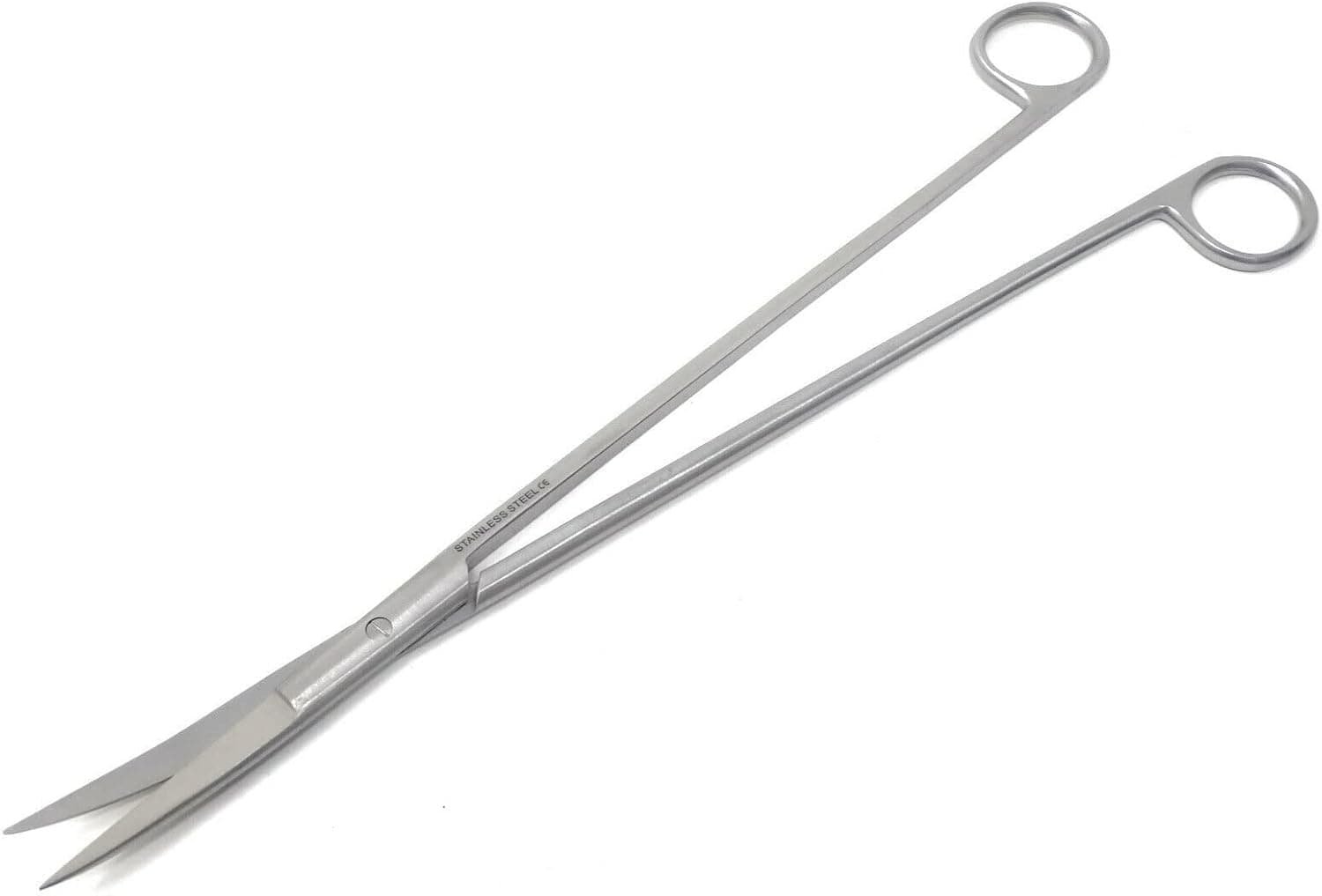
+ Curved blades trim carpet plants flat without digging in
From our guide: Best Aquascaping Scissors
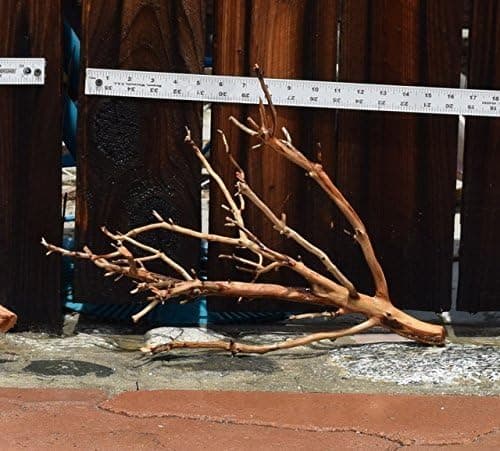
+ The 12"-16" size fits many standard aquariums
From our guide: Best Manzanita Driftwood for Aquascaping (2026)
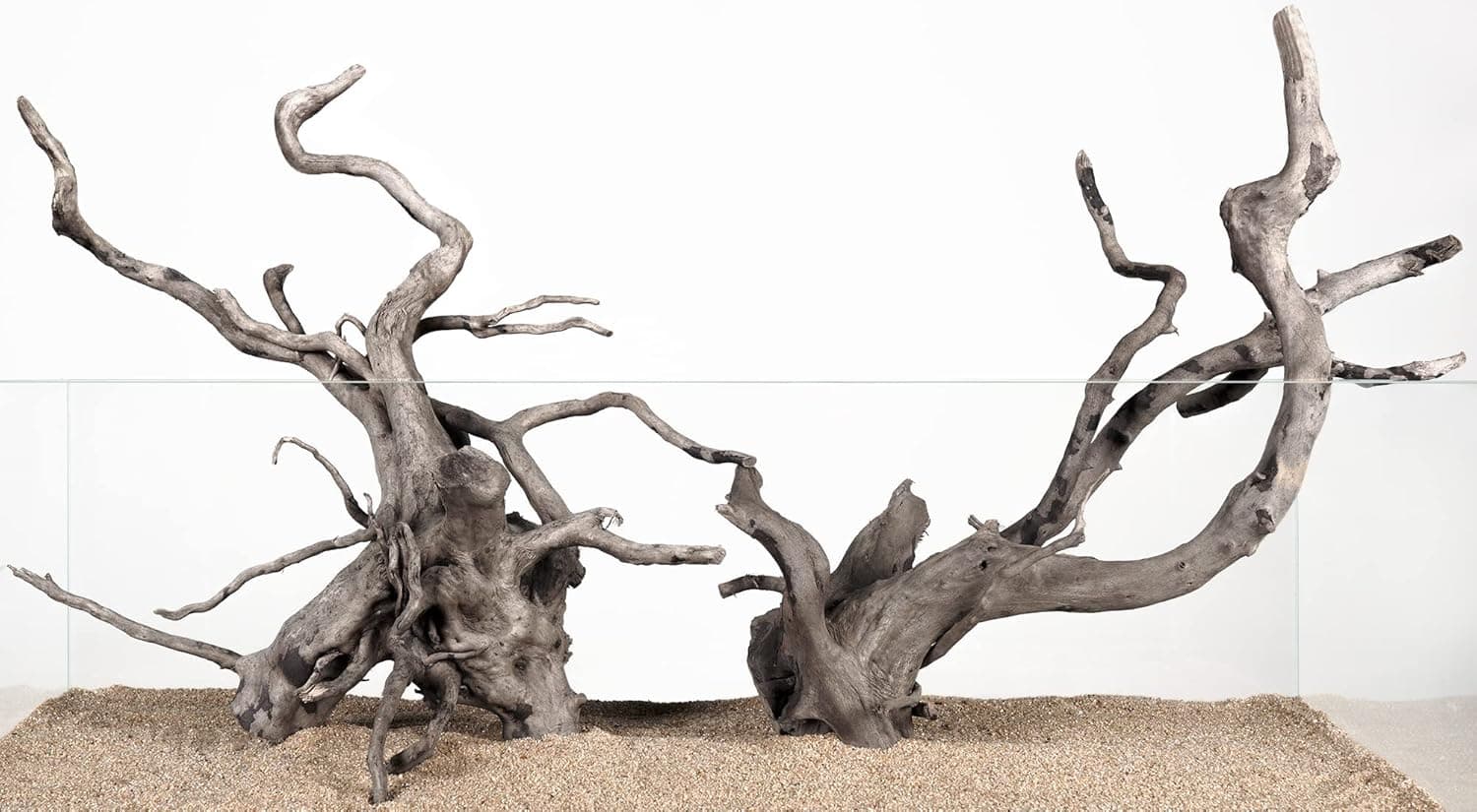
+ Four XL pieces allow layered branching layouts
From our guide: Best Spider Wood for Aquascaping (2026)
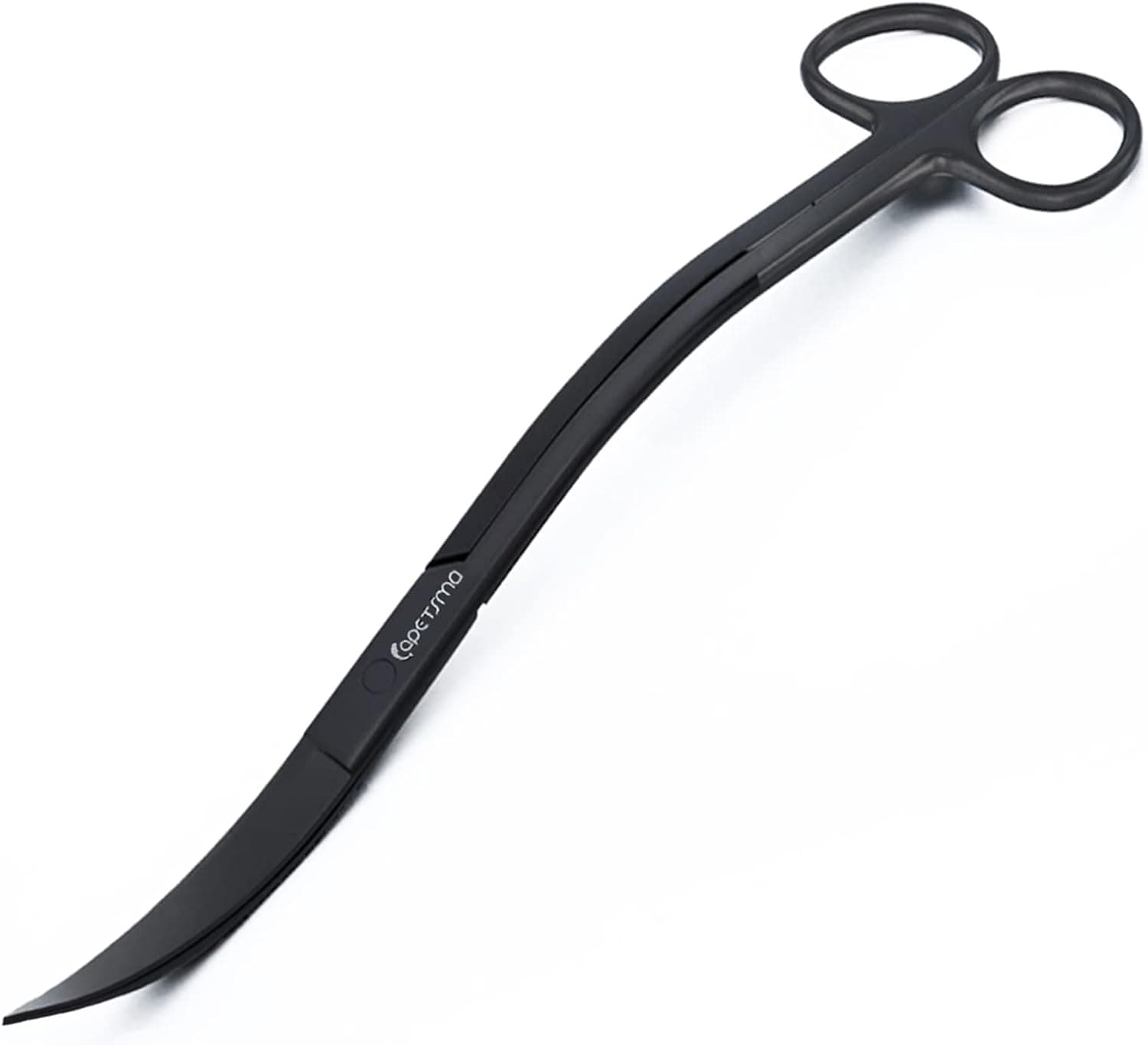
+ Wave handle design adds flexibility for angled cuts
From our guide: Best Aquascaping Scissors
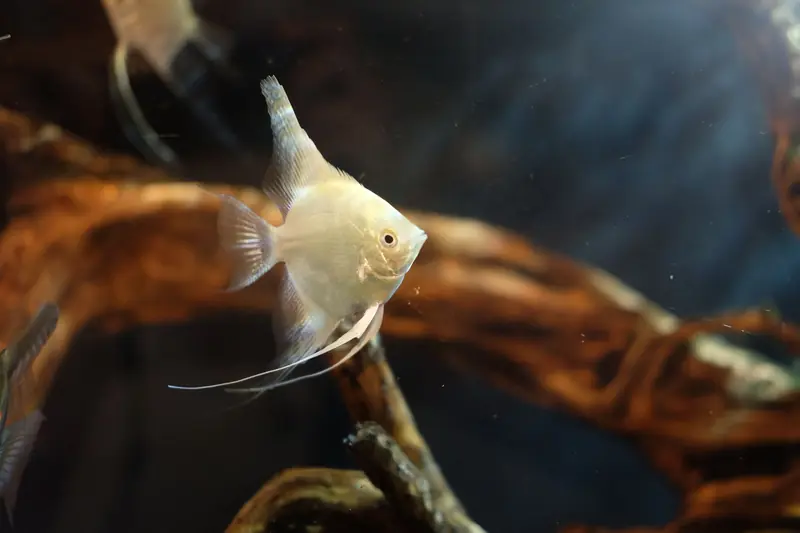
Most driftwood releases harmless tannins
The first thing to know is that most driftwood releases tannins, natural compounds that leach out of the wood and tint the water a tea-colored brown. Tannins are harmless and even beneficial to many fish, gently softening the water and mimicking natural blackwater habitats. Still, many aquarists prefer clearer water, and soaking the wood beforehand releases much of the tannins so they do not discolor your display as heavily.
Give the wood a thorough cleaning first
Before soaking, give the wood a thorough cleaning. Scrub it under running water with a stiff brush to remove loose debris, dust, and any dirt trapped in the crevices. Do not use soap or detergents, which can leave residues harmful to fish. A good scrub removes surface contaminants and any loose bark or fragments that would otherwise break off and float around your tank.
Fresh driftwood usually floats until it waterlogs
The next challenge is that fresh driftwood usually floats, sometimes stubbornly, because it has not yet absorbed enough water to become dense. Soaking the wood for days or weeks lets it slowly waterlog until it sinks on its own. Some people speed this along by boiling smaller pieces, which also helps release tannins and sterilizes the surface, though large pieces are too big to boil and simply need patience.
Anchor wood that won't sink on its own
If you cannot wait for a piece to waterlog, or if it is too large to sink even after soaking, you can anchor it instead. Attaching the wood to a piece of slate or stone with aquarium-safe fasteners, or wedging it under your hardscape, holds it down until it eventually becomes waterlogged enough to stay put. Burying part of it in the substrate works well too and looks natural.
A white biofilm in the first weeks is normal
Do not be alarmed if new driftwood develops a white, slimy biofilm in its first weeks underwater. This fuzzy growth is a normal, harmless fungus that feeds on sugars in the wood, and it disappears on its own as the wood settles in. Many algae-eating fish and shrimp will graze it away happily. Once your wood is clean, soaked, and secured, it will serve as a beautiful and lasting foundation for your aquascape.
Frequently asked questions
Why does new aquarium driftwood turn the water brown? Most driftwood releases tannins, natural compounds that leach out and tint the water tea-colored brown; they're harmless and even beneficial to many fish, but soaking beforehand reduces the discoloration.
Why does new driftwood float in an aquarium? Fresh driftwood hasn't absorbed enough water yet to become dense, so soaking it for days or weeks lets it slowly waterlog until it sinks on its own, or boiling smaller pieces speeds this up.
How do I make driftwood sink faster in an aquarium? Boil smaller pieces to speed waterlogging and release tannins, or anchor larger pieces to slate or stone with aquarium-safe fasteners, or bury part of the wood in the substrate.
Is white fuzz on new aquarium driftwood dangerous? No, it's a normal, harmless fungus that feeds on sugars in the wood and disappears on its own as the wood settles in; many algae-eating fish and shrimp will graze it away.
Popular right now
- Best Clip-On Aquarium Lights for Planted Tanks (2026)Buying guide
- Best Nano Aquariums for Planted Tanks (2026)Buying guide
- Best Low-Iron Glass Tanks for Aquascaping (2026)Buying guide
- Best CO2 Regulators for Planted Tanks (2026)Buying guide
- Best Full-Spectrum Grow Lights for Planted Tanks (2026)Buying guide
- Best CO2 Tubing for Planted Tanks (2026)Buying guide
Based on the last 28 days of search and visitor data.