How to Trim Stem Plants for Bushy, Healthy Growth
Published How we research
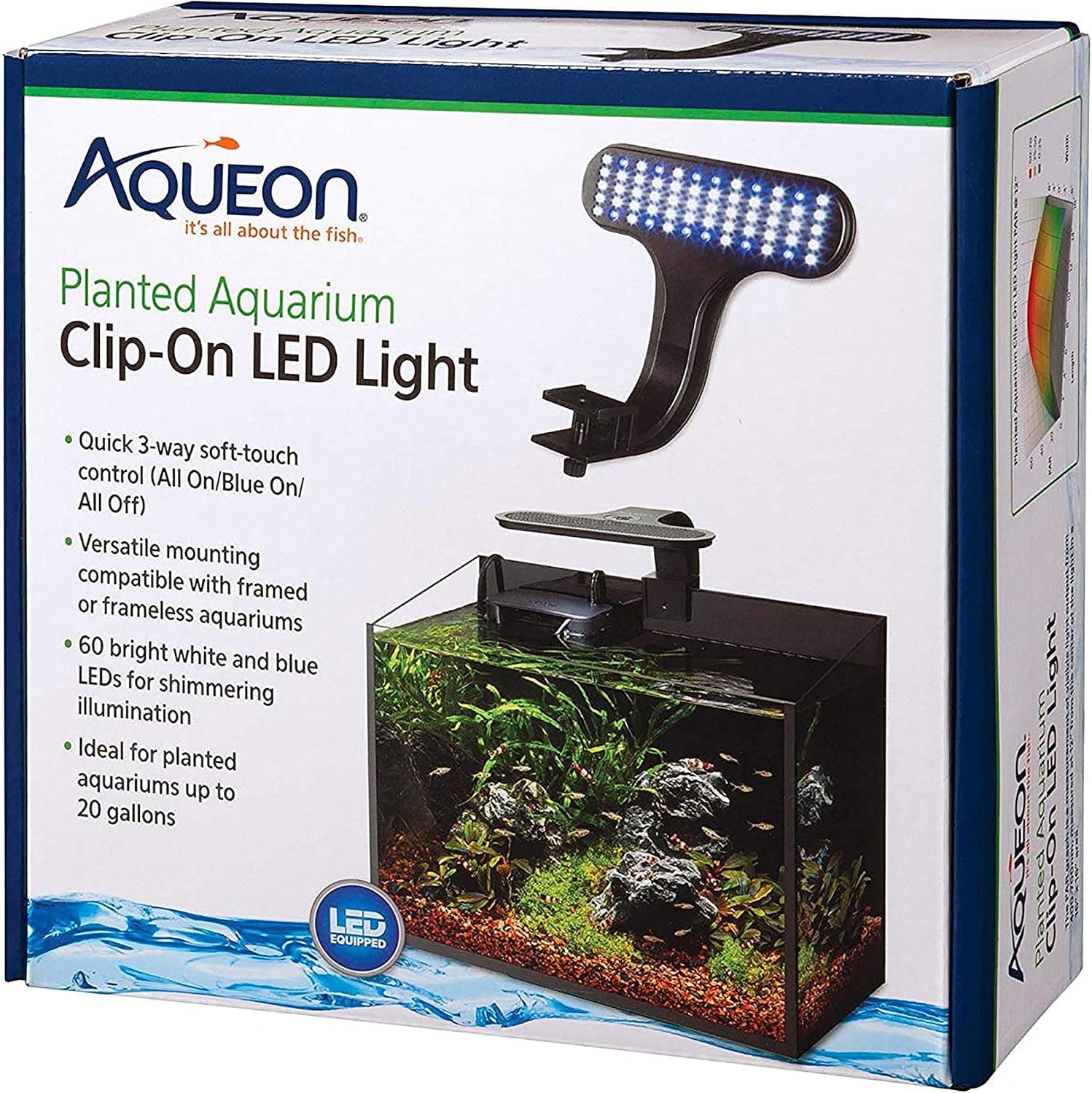
Cutting a stem plant's top encourages it to branch, sending out new side shoots that build dense, bushy growth over repeated trimmings. The top-and-replant method cuts and replants only the healthiest young growth, ideal when lower stems go bare, while simply cutting tops and leaving roots in place is faster but eventually congests the base. Use sharp scissors for clean cuts that avoid rot, trim before plants reach the surface and shade everything below, and stagger cut heights for a natural shape. Regular, moderate trimming every week or two beats occasional drastic hacking, which stresses plants and can feed algae with a debris flush. Stem plants are the fast-growing backbone of many aquascapes, filling in backgrounds and adding lush height and movement. But their vigor is a double-edged sword: left unchecked, they grow leggy, reach the surface, and shade out everything below. Learning to trim them properly is what keeps a planted tank looking full and intentional rather than overgrown and messy.
Products from this article
The highest-scoring picks from the buying guides this article links to. Scores are our editorial assessment, not customer ratings.
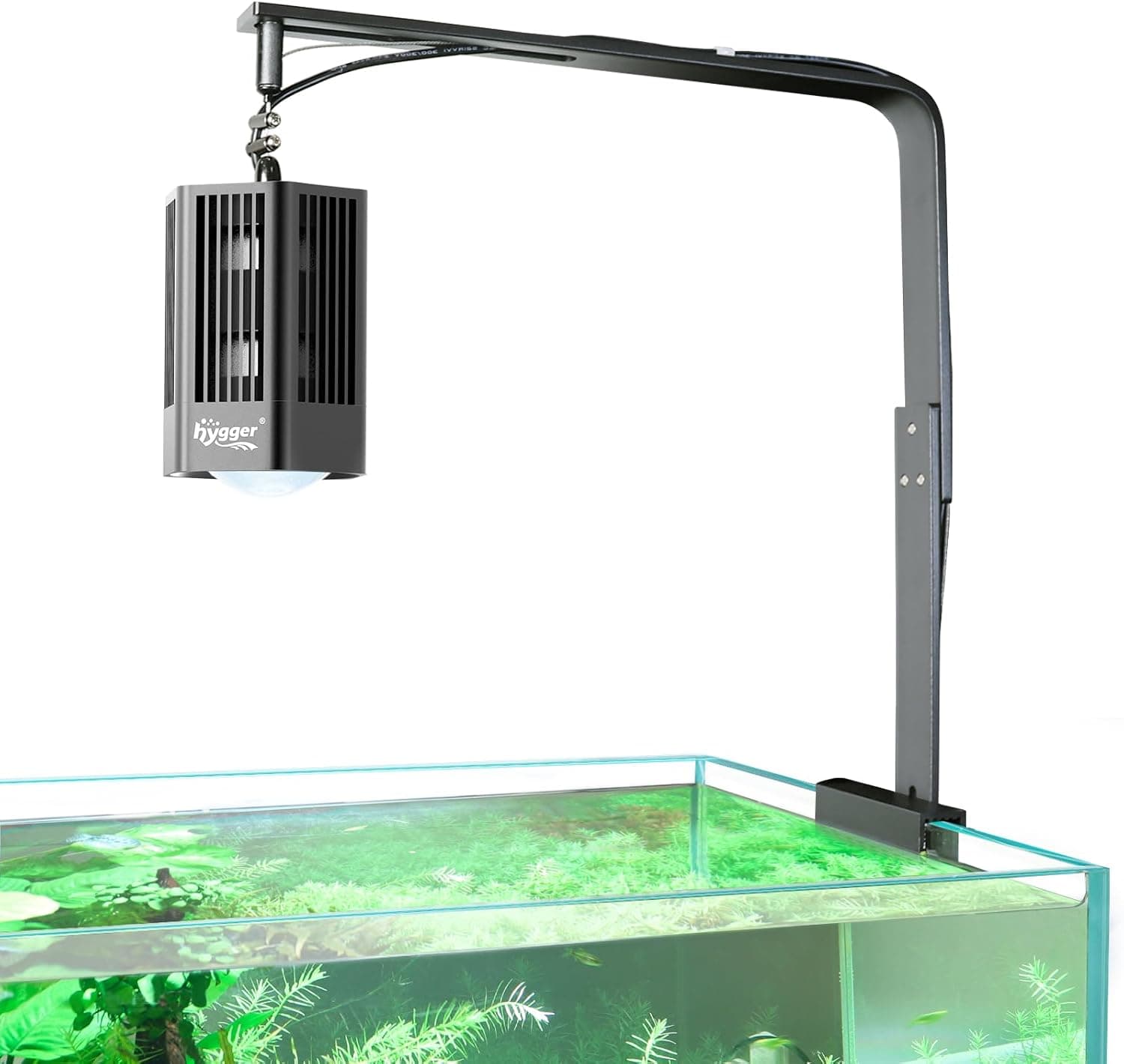
+ COB design produces the shimmer effect that makes water ripple on stone
From our guide: Best Full-Spectrum Grow Lights for Planted Tanks (2026)
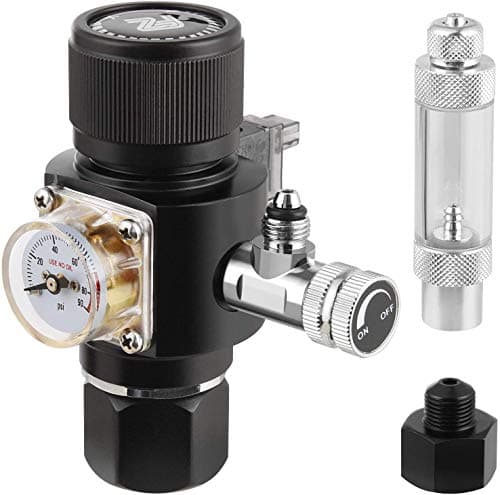
+ Works with paintball tanks, all sizes of CGA320 threaded cylinder and 5/8 inch UNF disposable cartridges
From our guide: Best CO2 Systems for Planted Tanks (2026)
+ Built-in timer keeps lights on a consistent daily schedule
From our guide: Best Planted Tank LED Lights (2026)
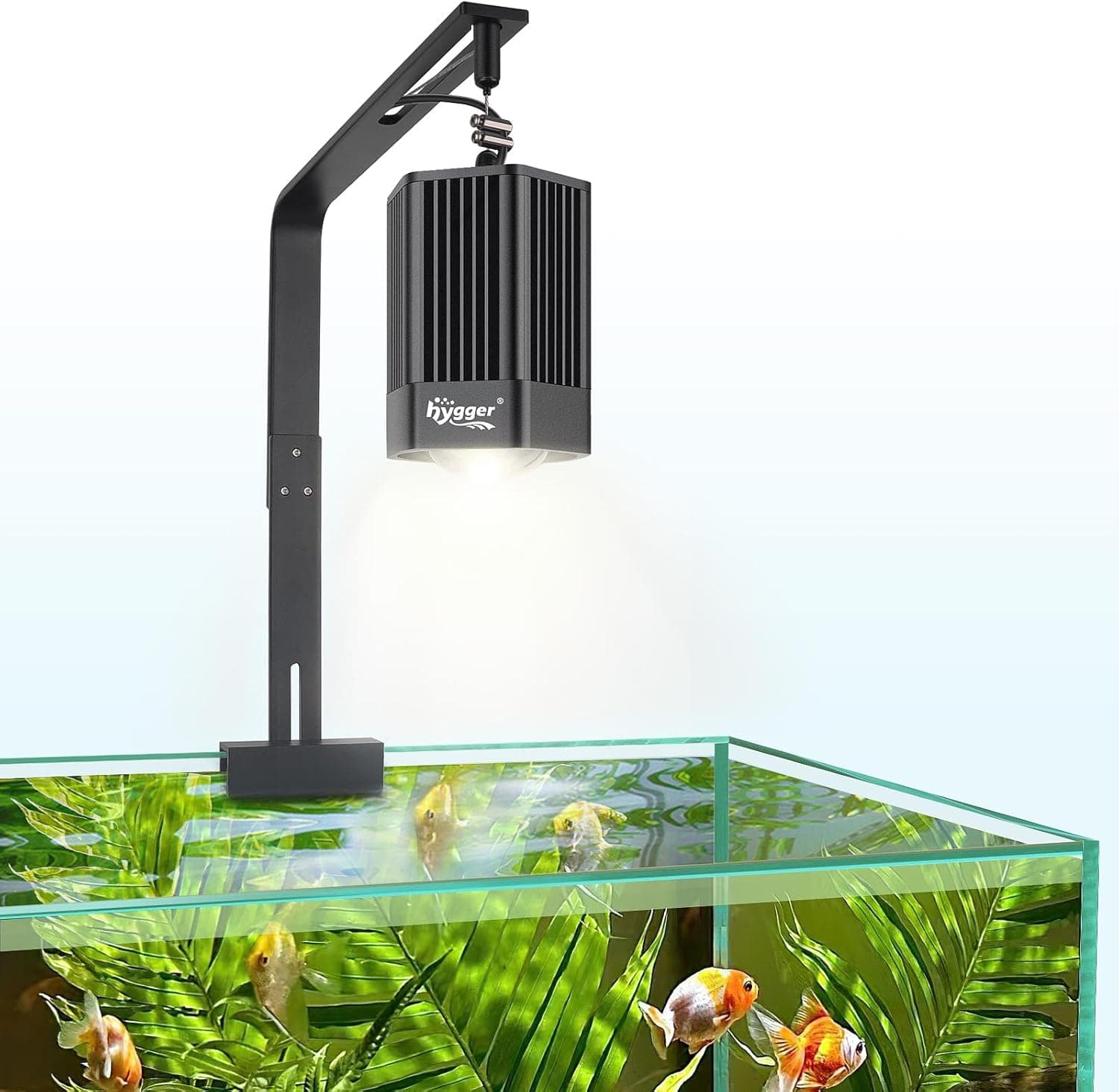
+ The 100W output punches through deeper water to reach carpet plants
From our guide: Best Full-Spectrum Grow Lights for Planted Tanks (2026)

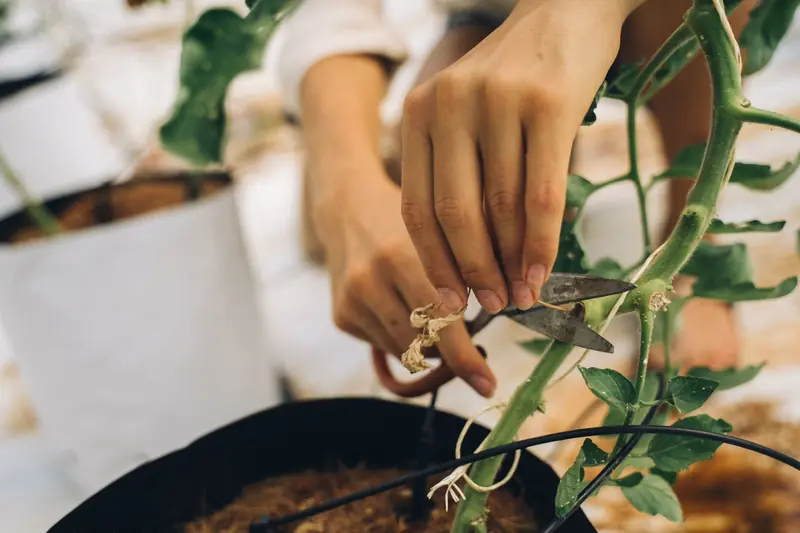
Cutting a stem encourages it to branch
The basic principle of trimming stem plants is that cutting a stem encourages it to branch. When you snip off the top of a stem, the plant responds by sending out new side shoots from below the cut, so a single stem becomes two or more. Over repeated trimmings this produces the dense, bushy growth that makes a background look full, which is exactly the effect most aquascapers are after.
Two main approaches to trimming
There are two main approaches to trimming, and which you use depends on your goals. The simplest is the top-and-replant method: you cut the healthy top portion of a stem, discard the old lower section, and replant the fresh cutting into the substrate, where it will root and continue growing. This keeps only the best, youngest growth and is ideal when the lower parts of your stems have gone bare or ragged.
Cutting tops and leaving roots is faster but less tidy
The other approach is to simply cut the tops and leave the rooted lower stems in place to branch out. This is faster and less disruptive, and it quickly builds density because each cut stem sprouts multiple new shoots. The tradeoff is that after several rounds the base can become congested and the lower portions may thin out, so eventually you will still want to uproot and replant with fresh tops.
Timing and tools matter
Timing and tools matter. Use sharp scissors so you make clean cuts rather than crushing the stems, which invites rot. Trim before the plants reach the surface and start shading everything, and try to cut on a gentle slope or at staggered heights so the trimmed tops regrow into a natural, rounded shape rather than a flat hedge. After trimming, remove the floating clippings so they do not decay in the tank.
Regular, moderate trimming beats drastic hacking
Regular, moderate trimming beats occasional drastic hacking. If you let stem plants get wildly overgrown and then cut them back hard all at once, you can stress the plants and unleash a flush of debris and nutrients that feeds algae. A little trimming every week or two keeps growth controlled, the plants healthy, and your background looking its best year-round.
Frequently asked questions
Why do you trim aquarium stem plants? Cutting a stem encourages it to branch, sending out new side shoots from below the cut, which over repeated trimmings produces the dense, bushy growth aquascapers want for a full background.
What is the top-and-replant method for stem plants? Cutting the healthy top portion of a stem, discarding the old lower section, and replanting the fresh cutting into the substrate, keeping only the best, youngest growth.
How often should aquarium stem plants be trimmed? Regular, moderate trimming every week or two beats occasional drastic hacking, which can stress the plants and unleash a flush of debris and nutrients that feeds algae.
What tool should I use to trim aquarium stem plants? Sharp scissors, since clean cuts avoid crushing the stems, which invites rot, unlike dull tools that mangle the cut point.
Popular right now
- Best Clip-On Aquarium Lights for Planted Tanks (2026)Buying guide
- Best Nano Aquariums for Planted Tanks (2026)Buying guide
- Best Low-Iron Glass Tanks for Aquascaping (2026)Buying guide
- Best CO2 Regulators for Planted Tanks (2026)Buying guide
- Best Full-Spectrum Grow Lights for Planted Tanks (2026)Buying guide
- Best CO2 Tubing for Planted Tanks (2026)Buying guide
Based on the last 28 days of search and visitor data.