Low-Tech vs High-Tech Planted Tanks Compared
Published How we research
Low-tech tanks use modest lighting and no CO2 injection, growing slowly but forgivingly and cheaply, rewarding hardy species like anubias and java fern. High-tech tanks pair strong lighting with pressurized CO2 and heavy fertilizing for fast, vivid growth and demanding carpeting or red stem plants, at the cost of more equipment, more trimming, and less margin for error before algae takes hold. Maintenance rhythms differ sharply: low-tech needs attention every week or two, high-tech demands weekly trimming and close CO2 monitoring. Newcomers should start low-tech to learn plant fundamentals before scaling up if they want faster growth. Planted aquariums broadly fall into two camps that hobbyists call low-tech and high-tech. Neither is better in an absolute sense; they simply represent different balances of effort, cost, and results. Knowing where a tank sits on that spectrum helps you set realistic expectations and avoid chasing a look that does not match the equipment you are willing to run.
Products from this article
The highest-scoring picks from the buying guides this article links to. Scores are our editorial assessment, not customer ratings.
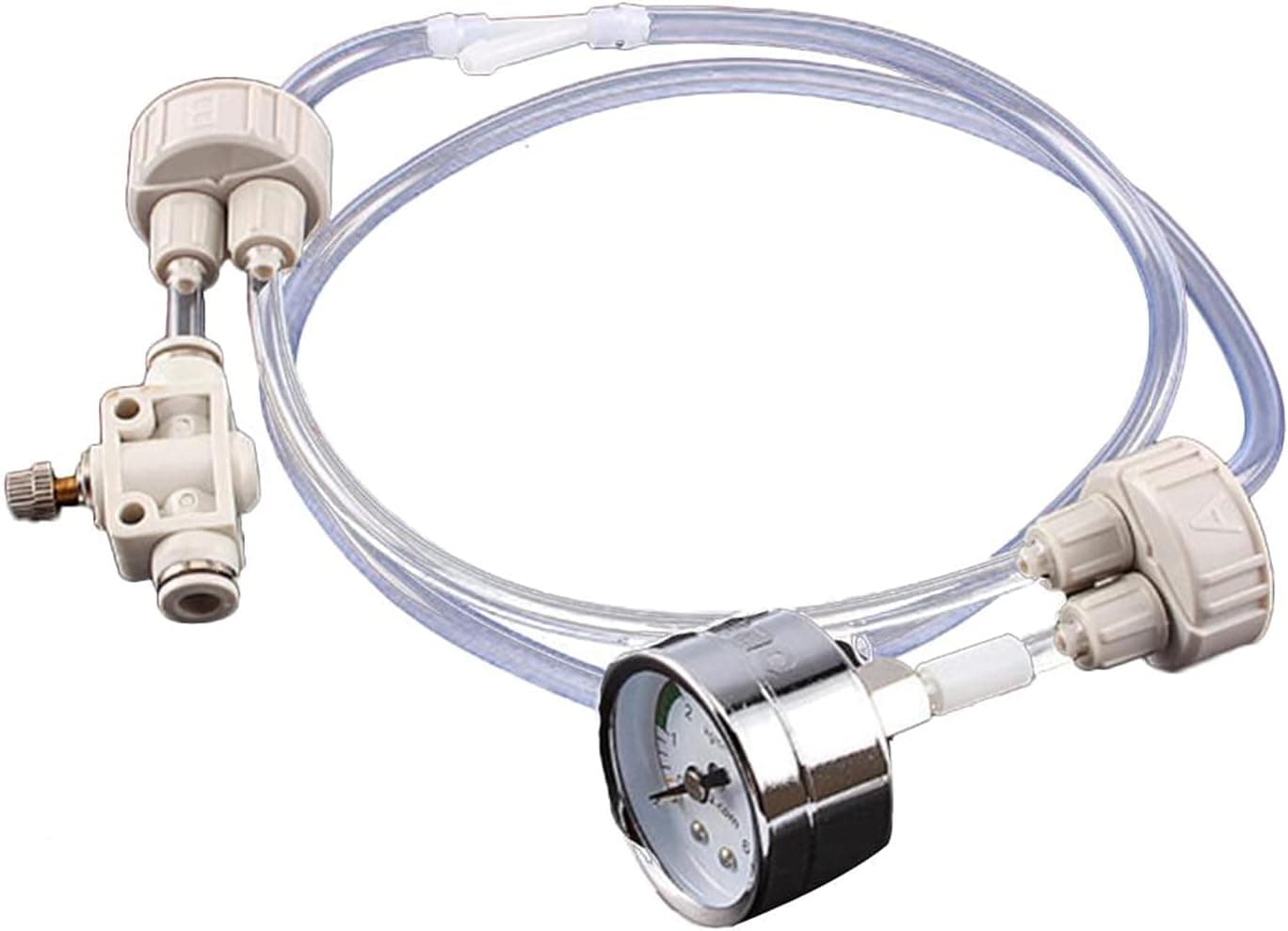
+ Works with paintball tanks, all sizes of CGA320 threaded cylinder and 5/8 inch UNF disposable cartridges
From our guide: Best CO2 Systems for Planted Tanks (2026)
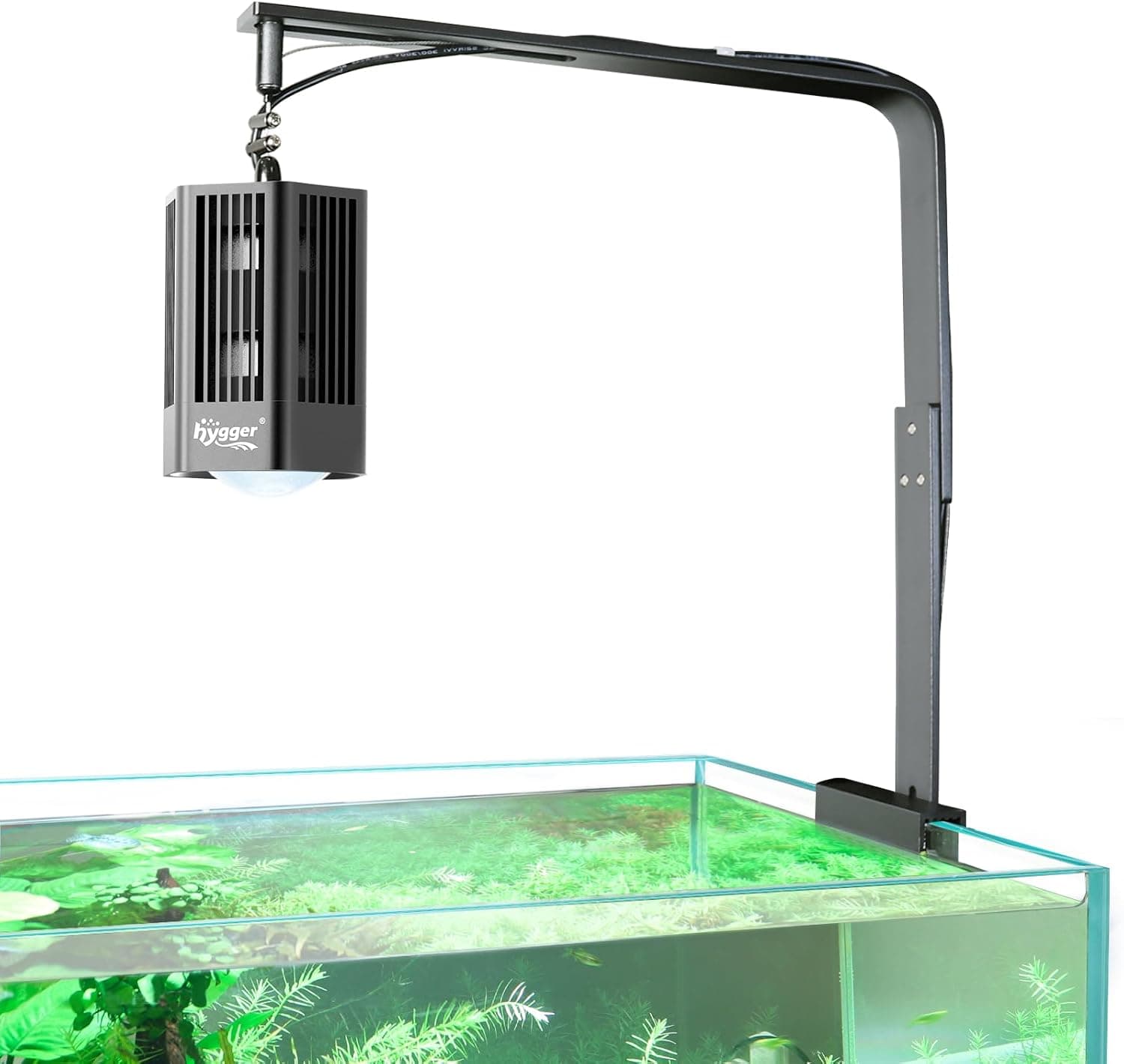
+ COB design produces the shimmer effect that makes water ripple on stone
From our guide: Best Full-Spectrum Grow Lights for Planted Tanks (2026)
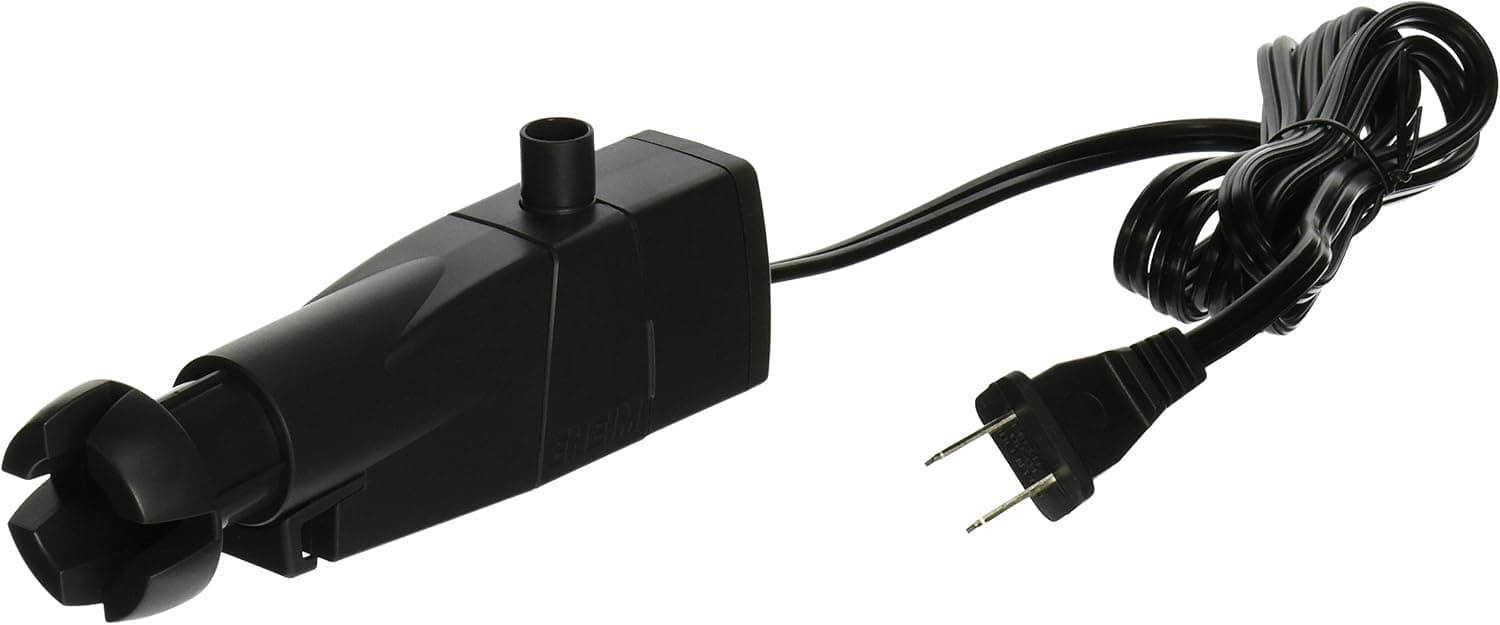
+ EHEIM build quality is well regarded for long-running equipment
From our guide: Best Surface Skimmers for Planted Tanks (2026)
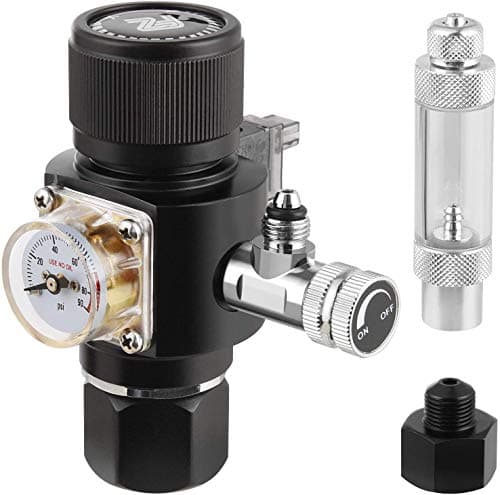
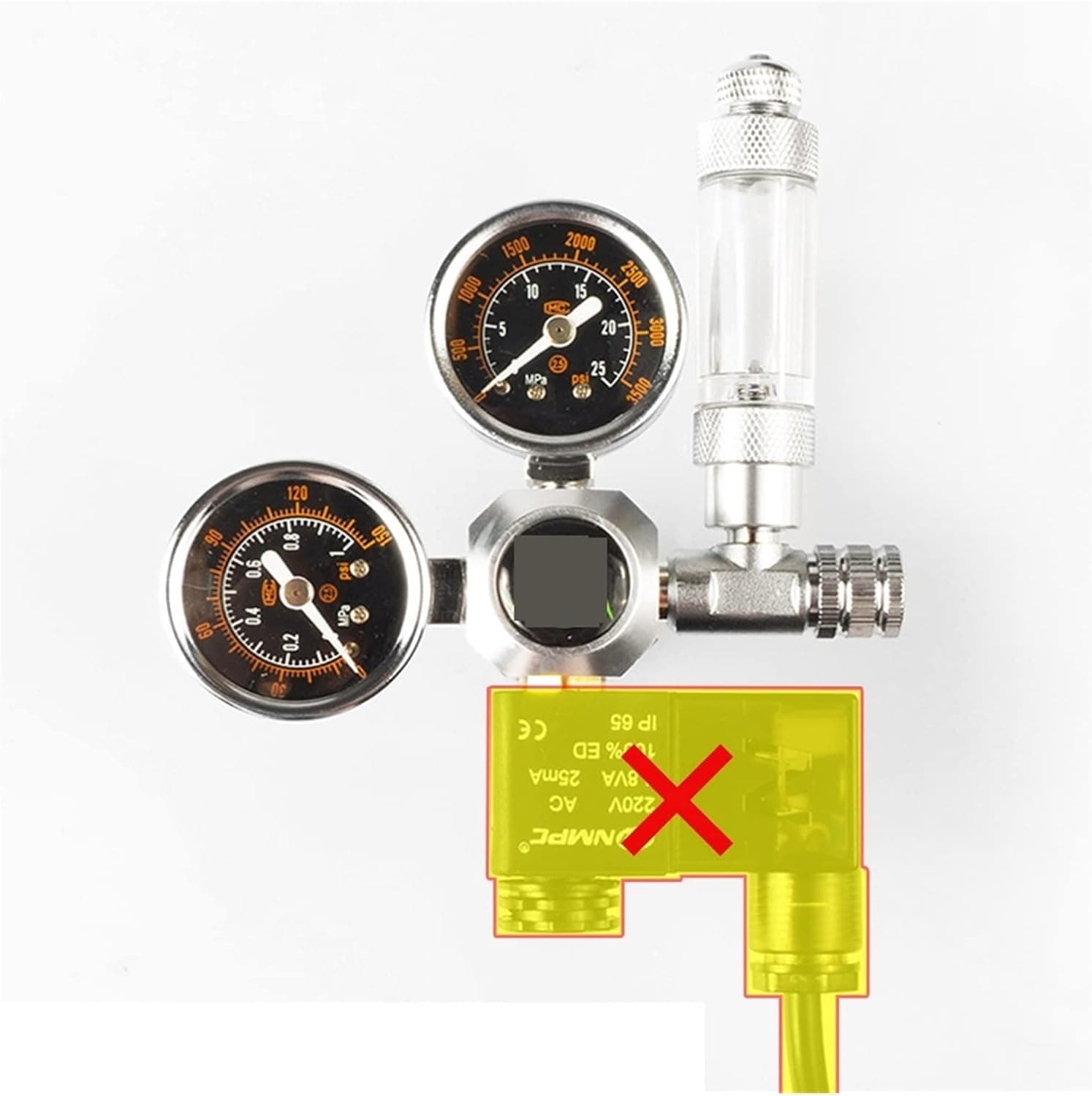
+ Dual stage design keeps output steady until the cylinder is empty
From our guide: Best CO2 Systems for Planted Tanks (2026)
A low-tech tank uses modest lighting and no CO2
A low-tech planted tank uses modest lighting, no injected carbon dioxide, and often just liquid fertilizer or root tabs for nutrients. Growth is slow and steady, which is actually an advantage for busy people, because slow-growing plants need less trimming and the whole system drifts gently rather than swinging quickly. These tanks are cheaper to set up, cheaper to run, and far more forgiving of the occasional missed water change.
A high-tech tank turns everything up
A high-tech tank, by contrast, pairs strong lighting with pressurized CO2 injection and a robust fertilizer routine. Everything is turned up, so plants grow fast, color up intensely, and can be trained into the dense carpets and elaborate layouts you see in competition aquascapes. That speed comes at a price: more equipment to buy and maintain, more frequent trimming, and a much smaller margin for error before algae takes hold.
Plant selection differs between the two styles
Plant selection differs between the two styles. Low-tech tanks reward hardy, undemanding species such as anubias, java fern, cryptocorynes, and mosses. High-tech tanks unlock the fussier carpeting plants and vivid red stem plants that need abundant light and carbon to look their best. If you have your heart set on a particular demanding species, that may push you toward the high-tech route.
Maintenance rhythms are different too
Maintenance rhythms are different too. A low-tech tank might need attention every week or two and stays stable in between. A high-tech tank is a more active hobby, often demanding weekly trimming, careful dosing, and close monitoring of CO2 levels so fish stay safe. Some people love that hands-on involvement; others find it a chore.
Start low-tech and learn before scaling up
The best advice for newcomers is to start low-tech and learn how plants respond before scaling up. You will understand the fundamentals in a gentler environment, and if you later crave faster growth and more dramatic scapes, upgrading to high-tech is straightforward. Match the tank to the time and money you genuinely want to spend, not to the flashiest photo you saw online.
Frequently asked questions
What is the difference between low-tech and high-tech planted tanks? Low-tech tanks use modest lighting with no CO2 injection for slow, forgiving growth, while high-tech tanks pair strong lighting with pressurized CO2 and heavy fertilizing for fast, dramatic growth at higher cost and effort.
What plants can I grow in a low-tech planted tank? Hardy, undemanding species such as anubias, java fern, cryptocorynes, and mosses thrive in low-tech conditions without needing strong light or added carbon.
Is a high-tech planted tank harder to maintain? Yes, it's a more active hobby requiring weekly trimming, careful fertilizer dosing, and close monitoring of CO2 levels, with a much smaller margin for error before algae takes hold.
Should beginners start with a low-tech or high-tech planted tank? Low-tech, since it lets you understand plant fundamentals in a gentler, more forgiving environment before upgrading to high-tech if you later want faster growth and more dramatic scapes.
Popular right now
- Best Clip-On Aquarium Lights for Planted Tanks (2026)Buying guide
- Best Nano Aquariums for Planted Tanks (2026)Buying guide
- Best Low-Iron Glass Tanks for Aquascaping (2026)Buying guide
- Best CO2 Regulators for Planted Tanks (2026)Buying guide
- Best Full-Spectrum Grow Lights for Planted Tanks (2026)Buying guide
- Best CO2 Tubing for Planted Tanks (2026)Buying guide
Based on the last 28 days of search and visitor data.