The Nature Aquarium Aquascaping Style Explained
Published How we research

The nature aquarium style is probably the most recognizable and influential approach to aquascaping in the modern hobby. Rather than arranging plants and decorations in neat rows, this style tries to capture the feeling of a natural landscape brought underwater: a forest floor, a misty mountainside, or a riverbank, all rendered in miniature with plants, wood, and stone.
Products from this article
The highest-scoring picks from the buying guides this article links to. Scores are our editorial assessment, not customer ratings.
+ Four XL pieces allow layered branching layouts
From our guide: Best Spider Wood for Aquascaping (2026)
+ Slate base helps the wood sink without extra weighting
From our guide: Best Spider Wood for Aquascaping (2026)
+ Three pieces allow building layered branch structures
From our guide: Best Spider Wood for Aquascaping (2026)
+ Branching shape creates natural tree and root layouts
From our guide: Best Spider Wood for Aquascaping (2026)
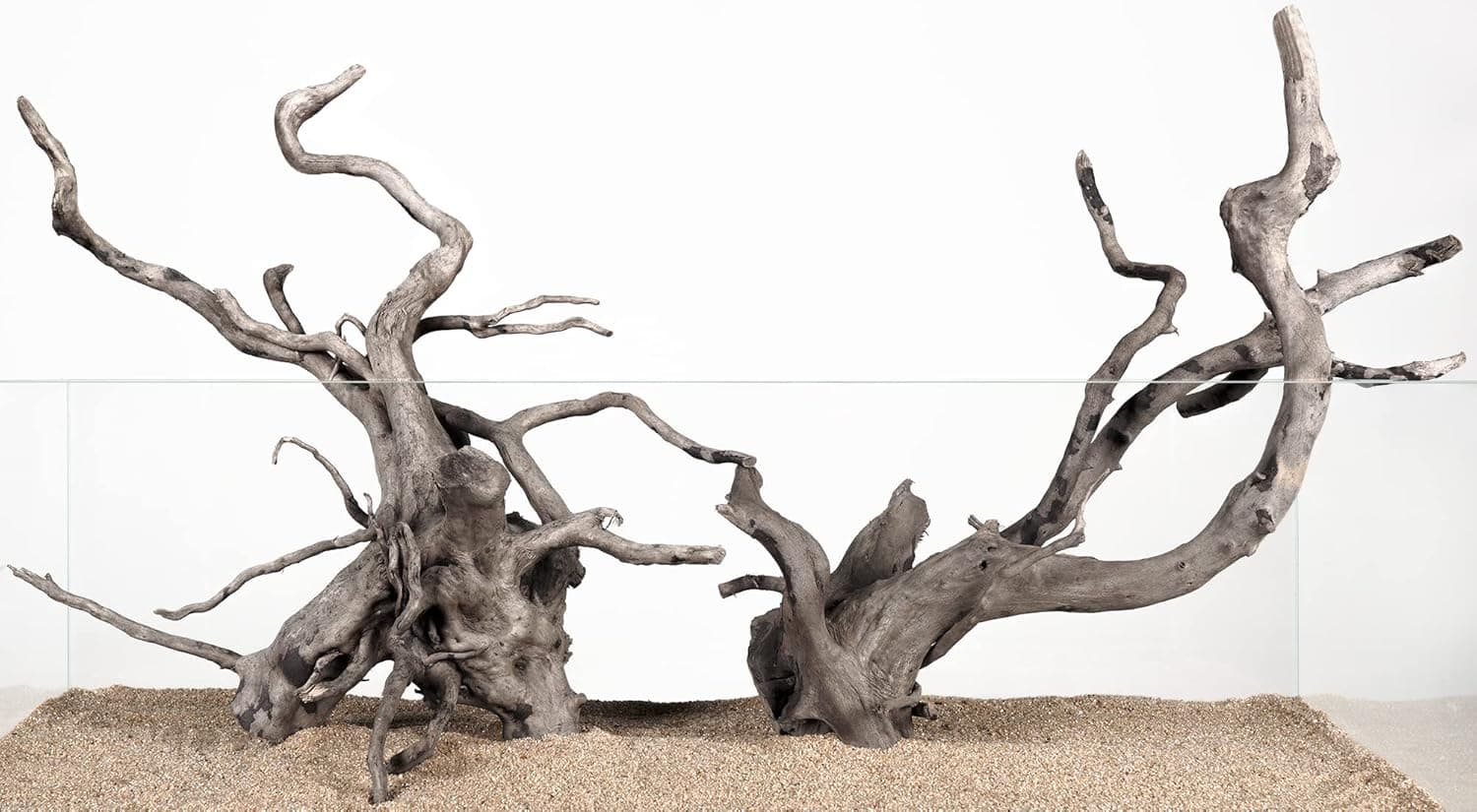


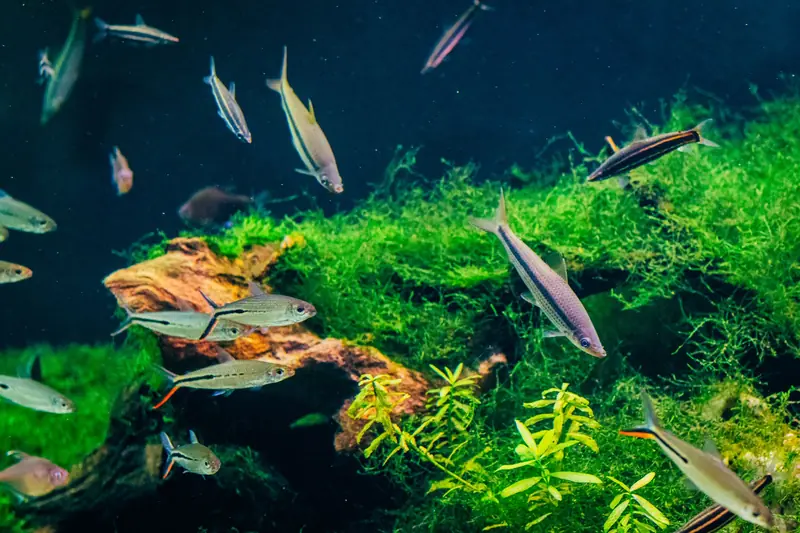
At the heart of the style is the idea of evoking nature rather than copying it exactly. A good nature aquarium suggests a scene larger than the tank itself, using perspective tricks and careful proportion to imply depth and scale. A single arrangement of driftwood might read as a fallen forest tree, and a cluster of small-leaved plants can suggest a distant canopy. The goal is an emotional impression, not a literal diorama.
Composition follows loose principles borrowed from art and photography. Aquascapers often place their main focal point off-center, following the rule of thirds, and use a dominant piece of hardscape to anchor the scene. Open space, usually a foreground of low carpeting plants or clean substrate, is just as important as the planted areas, because it gives the eye somewhere to rest and makes the busy areas feel intentional.
Plant selection in the nature style tends toward fine textures and natural greens, with color used sparingly as an accent rather than the main event. Mosses and small-leaved plants attached to wood and stone reinforce the sense of an aged, established landscape. The overall palette is usually calm and cohesive, which is part of why these tanks feel so serene.
Hardscape does much of the heavy lifting. The arrangement of rocks and driftwood establishes the skeleton of the layout before a single plant goes in, so experienced scapers spend a lot of time positioning wood and stone until the lines feel right. Once that structure works, the planting simply softens and dresses it.
Recreating this style at home rewards patience and restraint. Resist the urge to cram in every plant you like, choose a limited palette, and let the layout mature so plants grow into their spaces naturally. The most striking nature aquariums often look their best months after planting, once everything has filled in and settled into a believable, living landscape.
Popular right now
- Best Clip-On Aquarium Lights for Planted Tanks (2026)Buying guide
- Best Nano Aquariums for Planted Tanks (2026)Buying guide
- Best Low-Iron Glass Tanks for Aquascaping (2026)Buying guide
- Best CO2 Regulators for Planted Tanks (2026)Buying guide
- Best Full-Spectrum Grow Lights for Planted Tanks (2026)Buying guide
- Best CO2 Tubing for Planted Tanks (2026)Buying guide
Based on the last 28 days of search and visitor data.