Biohome Ultimate Filter Media (1 LB) Premium Aquarium & Pond Filtration Review (2026)
Updated September 14, 2026 · Research-based review
Our verdict
This 1 pound bag of Biohome Ultimate is a small-scale entry into a premium sintered glass filter media line, sized for nano canisters and small HOB baskets or for a keeper wanting to trial the media before buying a bigger bag. It works well as a biological upgrade in a small filter but will not fill anything larger.
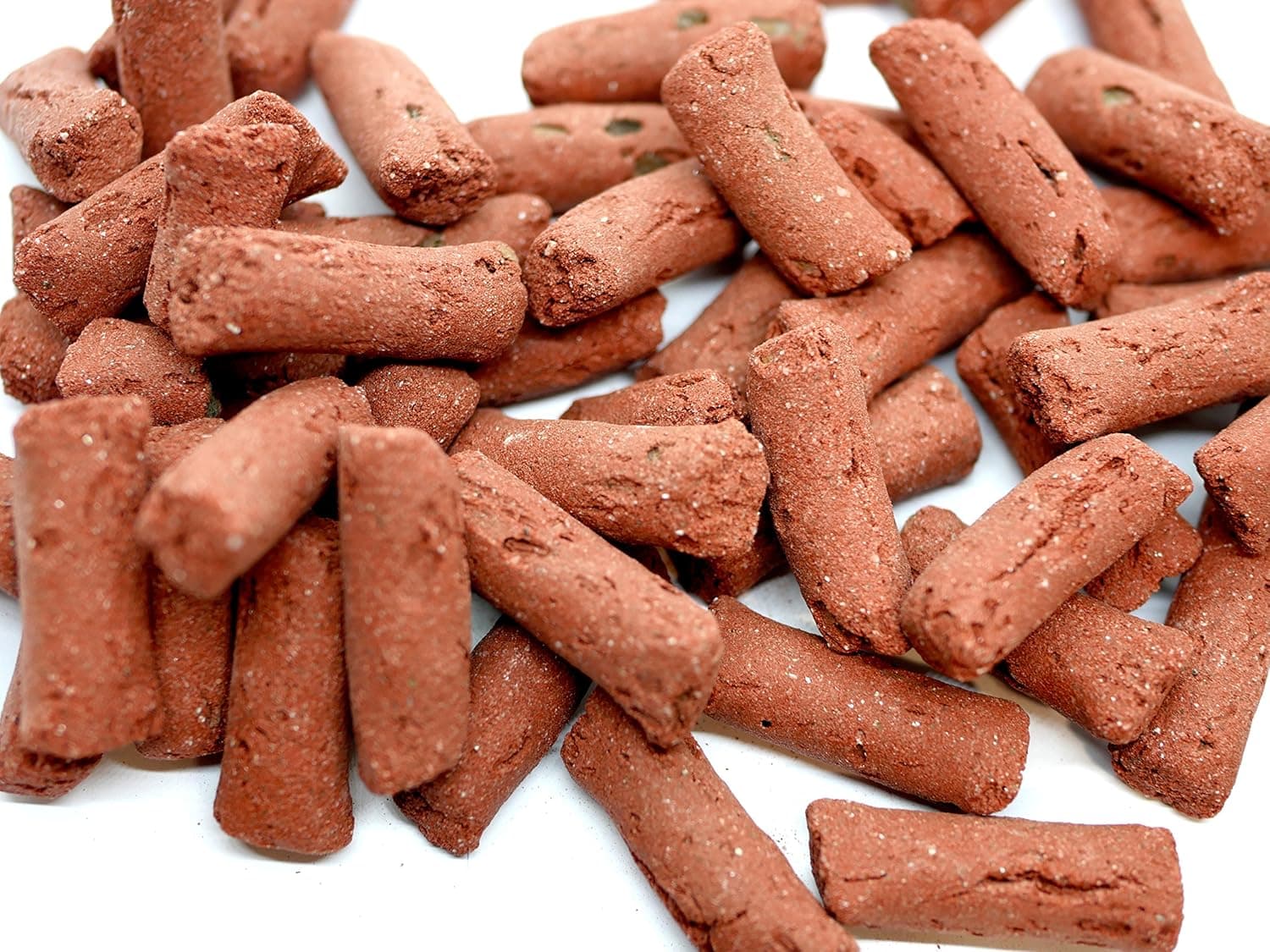
Biohome Ultimate filter media in a 1 LB bag, an entry size of premium sintered media for small filters or a first trial.
Price range: See on Amazon
What we liked
- + The 1 LB bag is a low-risk way to try Biohome before buying in bulk
- + Suits nano canisters and small HOB baskets well
- + Premium media gives small filters more biological capacity per space
Trade-offs
- - Highest cost per pound of the Biohome range
- - Only fills a small filter, so larger tanks need a bigger bag
Who this small bag is for
This 1 pound bag targets two kinds of buyer: someone with a small canister or hang on back filter who only needs a modest amount of premium biological media, and someone with a larger tank who wants to try Biohome Ultimate before committing to a bigger bag at a lower cost per pound. Because Biohome recommends roughly 2.2 pounds per 100 liters, or about 26 US gallons, for an average community tropical tank, a single 1 pound bag is really sized for a nano setup or as a partial media swap rather than a full media basket for a mid-size or large aquarium. A keeper stocking a canister filter for a 40 gallon or larger tank from scratch will need multiple bags or one of Biohome's bigger 2 or 5 pound sizes to reach an effective dose.
Material, porosity and dosing
Biohome Ultimate is made from sintered glass, a material formed by fusing sand particles together at their contact points rather than molding solid ceramic, which leaves the finished pellets full of internal pore space. That porosity is the whole point of the product: a highly porous structure gives bacteria enormously more surface area to colonize than smooth or solid media of the same weight, and Biohome markets the Ultimate line as an improvement over its earlier Mini Ultra version for faster bacterial colonization and faster processing of ammonia, nitrite and nitrate. The pellets also carry trace elements the brand states support bacterial activity. Biohome's own dosing guidance for an average community tropical aquarium works out to about 2.2 pounds per 100 liters, scaling up for goldfish or marine systems, which puts this 1 pound bag toward the lower end of a single filter's needs unless the tank is small.
Setting it up and living with it
Getting started just means adding the pellets to a media bag or basket in a canister, sump or HOB filter alongside or in place of existing biological media, with no rinsing beyond a quick pass to remove dust from the bag. Biohome states its Ultimate media takes about two to three weeks to reach optimum biological filtration capacity as bacteria colonize the sintered glass surface, so ammonia and nitrite processing should keep improving over that early window rather than performing at full strength on day one. Because sintered glass media is not meant to be replaced on a schedule, upkeep mostly means leaving it alone and avoiding aggressive rinsing that would strip the bacterial colony, doing only a light rinse in tank water if flow noticeably slows from trapped debris. Sized correctly for the filter it goes into, it should need no further attention for years.
Trade-offs and how it compares with named rivals
The clear trade-off with the 1 pound size is cost efficiency: Biohome's own materials describe this as the highest cost per pound across its Ultimate range, since buying in bulk brings the price per pound down at the 2 and 5 pound sizes. Against Seachem's Matrix at a comparable format, Biohome Ultimate claims a considerably larger surface area per unit weight thanks to its sintered glass structure, though Matrix has a longer track record among planted tank keepers specifically and comes in liter or milliliter sizes rather than by weight. Compared with Biohome's own 2 pound and 5 pound bags of the same Ultimate media, this 1 pound size makes sense mainly as a trial size or for topping up a small filter, not as the most economical way to stock a larger canister from scratch.
Verdict and who should pick something else
For a nano tank keeper or someone wanting to sample Biohome Ultimate in a small filter before scaling up, this 1 pound bag is a sensible, low-risk way to add premium sintered glass biological media without committing to a multi-pound bag. It is the wrong size for anyone setting up a canister filter on a 40 gallon or larger tank from scratch, since Biohome's own dosing guidance calls for well over a pound to reach an effective dose at that volume, and the per-pound cost is highest at this smallest size. Buyers planning to stock a bigger tank should go straight to the 2 or 5 pound bag instead. Used at the right scale, in a nano canister or as a partial top-up, it delivers the surface area and bacterial performance the Ultimate line is known for.
Frequently asked questions
How much Biohome Ultimate do I need for my tank?
Biohome's own guidance suggests roughly 2.2 pounds per 100 liters, about 26 US gallons, for an average community tropical tank, so this 1 pound bag suits a nano tank or a partial top-up.
How long until the media reaches full biological capacity?
Biohome states its Ultimate media takes about two to three weeks for bacteria to fully colonize the sintered glass surface and reach optimum filtration performance.
Does Biohome Ultimate need to be replaced regularly?
No. It is a permanent sintered glass media that is not meant to be swapped on a schedule, only left in place and lightly rinsed if flow slows.
Is the 1 pound bag the most economical option?
Not for larger tanks. Biohome's larger 2 and 5 pound bags bring the cost per pound down, so the 1 pound size mainly suits nano filters or trial use.
Prices change often, so check the current price and availability on Amazon.
Check price on AmazonAquascape Nest may earn a commission from the link above.