ADA Aqua Soil Amazonia Powder Type (9 Liters) Review (2026)
Updated September 14, 2026 · Research-based review
Our verdict
This 9-liter powder-type soil suits mid to large aquascapes that need a fine, dense substrate for carpeting plants. Its main strength is a roughly 1 mm grain size that supports tight-rooted carpets like glossostigma. The trade-off is fine grain clouds the water more easily than normal grain soil when disturbed.
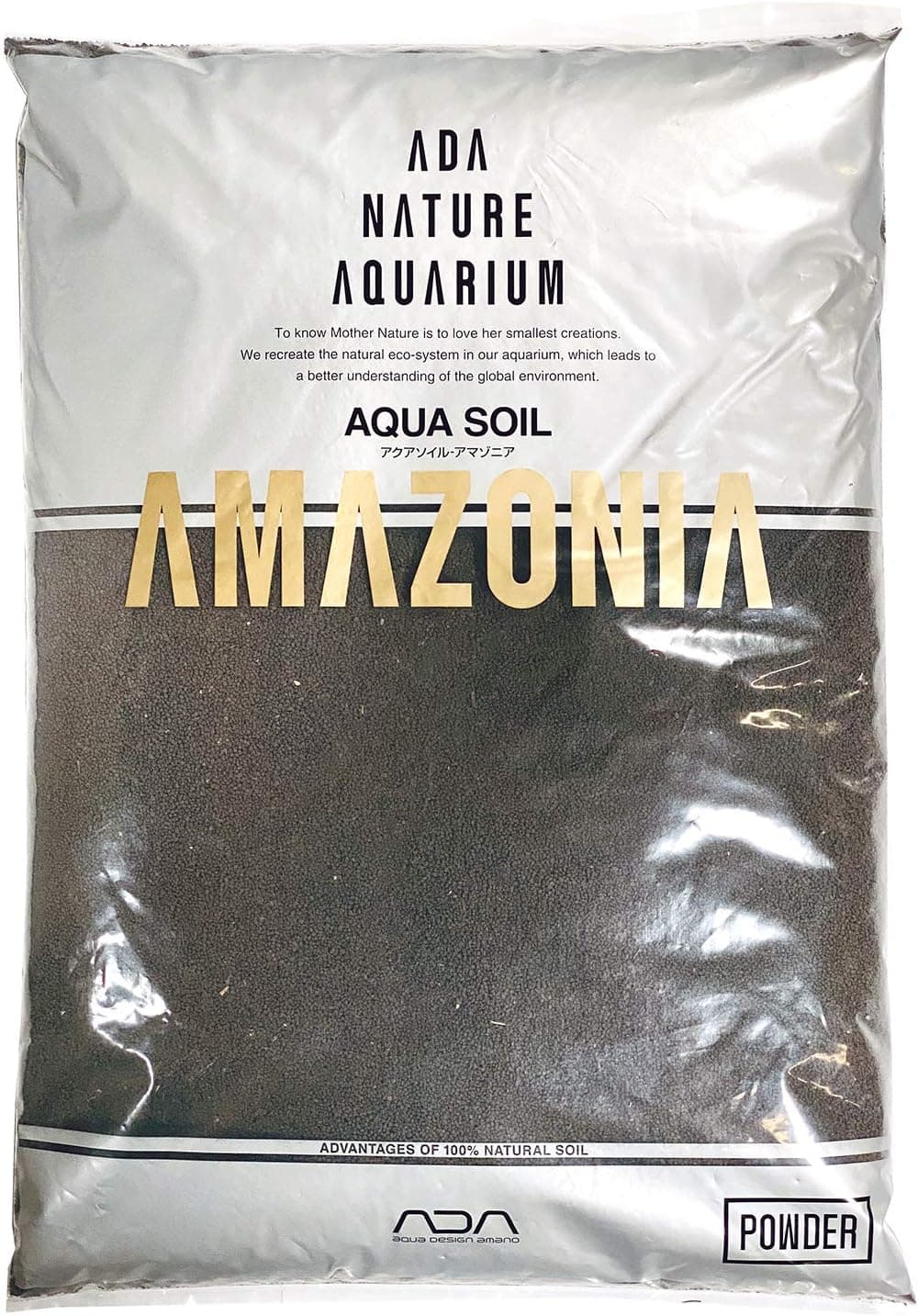
ADA Aqua Soil Amazonia powder type in 9 Liters, a larger bag of fine soil for carpeting mid-size aquascapes.
Price range: See on Amazon
What we liked
- + Fine grain supports dense carpets like glossostigma or HC
- + The 9 Liters size covers the foreground of larger tanks
- + Better value per liter than the smaller powder bag
Trade-offs
- - Powder grain clouds the water easily when you replant or uproot stems
- - Breaks down faster than normal grain soil over time
Who this soil is for
ADA Aqua Soil Amazonia Powder Type is a fine-grain planted tank substrate sold in a 9 liter bag, aimed at aquascapers building a foreground carpet or working in a scape with tight plant spacing where a smaller grain helps roots anchor and spread. The 9 liter size covers the foreground of a larger tank or the full substrate base of a mid-size layout, making it a practical step up from the smaller 3 liter powder bag when a bigger footprint is planned. It is recommended by the manufacturer for advanced hobbyists rather than beginners, who are pointed instead toward the Aqua Soil Amazonia Light line, since the standard Amazonia soil actively and strongly affects water chemistry during the first weeks.
Key specs explained in plain English
This bag holds 9 liters, roughly 9000 cubic centimeters, of soil with a grain size of about 1 mm, distinctly finer than the normal grain version of the same product line, and a black to gray color. The soil is made from a Japanese plant-based black soil sourced from decomposed leaf mulch, which the manufacturer describes as rich in organic elements and nutrients for plant root growth. Because it is an active substrate, it lowers general hardness and pulls pH down toward a range most aquatic plants use efficiently, and colloid particles in the soil help capture floating debris in the water column without any added chemical treatment, contributing to visual clarity once it settles.
Living with it day to day
During setup, the fine powder grain requires a careful hand when filling and aquascaping, since it clouds the water far more readily than coarser normal-grain soil if stirred or poured too aggressively, so many aquascapers pour slowly along the glass or use a plate to soften the water flow during the first fill. Once established, the soil's active chemistry continues to lower pH and hardness for a period, so water changes and parameter checks in the first weeks matter more than with an inert gravel substrate. Because the grains are smaller, this soil also tends to compact and break down into finer material faster than normal grain Amazonia over the life of the tank, so aquascapers planning a long-term layout without a substrate refresh may want to budget for that.
Honest trade-offs and how it compares
The main trade-off against ADA's own normal grain Amazonia is durability, since the fine powder breaks down faster over time and clouds more easily when plants are replanted or uprooted, which matters for anyone who rescapes often. Against ADA Aqua Soil Amazonia Ver 2, which is a newer formulation in the same product family, the powder type here is worth choosing specifically when a dense, tight-rooted carpet plant is the priority rather than general planting flexibility. Value-wise, the 9 liter bag offers a better cost per liter than the smaller 3 liter powder bag for anyone covering a larger foreground area, so buying the bigger bag makes sense once the tank size is confirmed.
Verdict and who should pick something else
Choose this soil if you are building a carpet-heavy aquascape and have some experience managing an active substrate's early water chemistry swings, which lines up with our score of 8.6 out of 10 for a specialized but rewarding product. The fine grain genuinely pays off once a dense carpet plant roots in, since the smaller particles give tiny root systems more surface area to grip compared with coarser gravel-style substrates. Pick ADA's normal grain Amazonia instead if you want a substrate that holds its shape longer and clouds less during replanting, or choose the Light version if this is your first active substrate and you want gentler initial water chemistry changes.
Frequently asked questions
Is powder type harder to keep clear than normal grain soil?
Yes, the finer roughly 1 mm grain clouds the water more easily when disturbed, so pour slowly during setup and be gentle when replanting or uprooting stems later.
Does this soil affect water chemistry?
Yes, as an active substrate it lowers general hardness and brings pH down toward a range suited to most aquatic plants, which is a normal and expected effect of this soil type.
Is this a good choice for beginners?
The manufacturer points beginners toward the Aqua Soil Amazonia Light line instead, since the standard Amazonia soil has a stronger effect on water parameters that experienced planted tank keepers are better prepared to manage.
How long does the fine grain last before breaking down?
Powder type soil tends to break down faster than normal grain Amazonia over the life of a tank, so scapes planning a long run without substrate changes may want to factor that into their planning.
Prices change often, so check the current price and availability on Amazon.
Check price on AmazonAquascape Nest may earn a commission from the link above.