SubstrateSource Crushed Aquarium Lava Gravel, Rock (10 Pounds, Natural Black) Review (2026)
Updated September 20, 2026 · Research-based review
Our verdict
SubstrateSource's crushed lava gravel gives planted tank keepers a porous, bacteria friendly base layer in a 10 pound bag for small to mid-size aquascapes. Grains resist compacting and support roots well, but the mix carries no nutrients and its sharp edges are a poor match for burrowing fish.
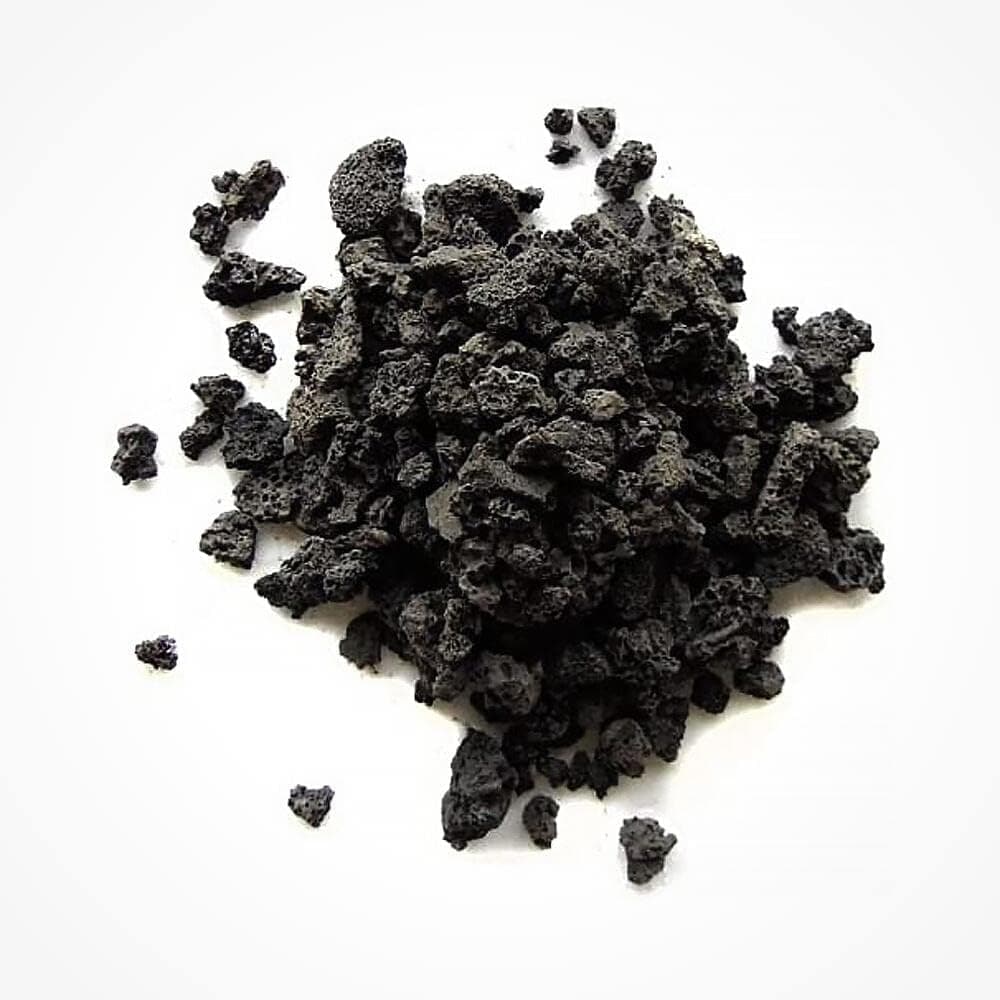
SubstrateSource crushed lava gravel in 10 Pounds natural black, a porous substrate layer for planted aquariums.
Price range: See on Amazon
What we liked
- + Porous lava gravel supports beneficial bacteria
- + Crushed form works as a base layer under soils
- + The 10 Pounds bag covers small to mid-size tanks
Trade-offs
- - Sharp grains are not ideal for burrowing fish
- - Adds no nutrients, so plants need additional feeding
Who this substrate fits
This crushed lava gravel is built for freshwater aquascapers who want a porous base layer under a planted tank rather than a decorative topper alone. The 10 pound bag of natural black gravel suits small to mid-size tanks, giving enough volume to build a functional substrate bed without needing several bags. Because the granules are irregular and crushed rather than rounded, the bed resists compacting over time, which keeps oxygen and nutrients moving through the root zone as plants establish. It fits keepers who plan to cap it with a finer sand or soil layer, or who want a lightweight, porous rock base under Mopani wood and other hardscape arrangements. It is a poor match for tanks with burrowing fish or invertebrates that dig through the substrate, since the sharp grains can cause injury.
What the gravel is and how it works
SubstrateSource crushes natural volcanic lava rock into gravel-sized granules and sells this 10 pound quantity in a natural black colorway, alongside a red volcanic version offered in other sizes. Lava rock is naturally porous, riddled with tiny air pockets left behind as the molten rock cooled, and that porosity gives beneficial bacteria far more surface area to colonize than smooth gravel or sand grains offer. Those bacteria form part of the biological filtration that breaks down fish waste into less harmful compounds, so a lava gravel base can supplement the work a canister or sponge filter already does. The material itself is chemically inert, meaning it does not alter water hardness or pH, and it will not decompose or break down over time the way organic substrates can.
Setting it up and living with it
Because this gravel is sold as loose crushed rock rather than a bagged aquasoil, it benefits from a rinse before use to settle out fine dust that would otherwise cloud the water on first fill. Most keepers spread it as a base layer, roughly one to two inches deep, then cap it with sand or a nutrient-rich aquasoil so root-feeding plants have something to draw on, since the lava rock itself supplies no fertilizer. Stem plants and other light feeders can still be dosed through the water column with liquid fertilizer, which works fine over a lava rock base. The sharp, angular edges that help the granules resist compacting are the same feature that makes this substrate a poor choice for corydoras, loaches, or other fish that dig or sift through the bottom layer.
How it compares with lava rock rivals
In the wider roundup of lava rock for aquascaping, most rivals such as LANDEN's black and red lava stones or FISCAPE's large chunks are sold as big, individual display rocks in the 3 to 10 inch range, meant to be arranged as standalone hardscape features. This SubstrateSource bag serves a different purpose, since it is pre-crushed into small gravel-sized pieces meant to sit under sand or soil rather than rise above it, which is part of why it lands lower in a ranking built around statement stones. Anyone who actually wants a porous under-layer rather than a centerpiece rock should judge this product on that separate job, where its real competition is other crushed lava or lightweight aquasoil substrates rather than the large display stones it was ranked against.
Verdict and who should pick something else
This substrate earns its place as a practical, inert base layer for anyone building a planted tank who wants better root aeration and extra surface area for bacteria without paying for a full bag of specialty aquasoil. Pick it if the plan is to cap it with sand or soil and keep burrowing fish out of the tank. Skip it if the tank already houses corydoras, loaches, or other fish that dig through the substrate, since the sharp grains are not fish-safe for that behavior, and skip it too if a single all-in-one nutrient substrate is preferred over layering separate products together.
Frequently asked questions
Does this lava gravel provide nutrients for plants?
No, it is an inert porous rock substrate with no added fertilizer, so root-feeding plants still need root tabs or a nutrient-rich cap layer on top.
Is it safe for bottom-dwelling fish like corydoras?
It is not recommended for burrowing or bottom-sifting fish, since the crushed grains have sharp edges that can injure them.
Does it need rinsing before use?
Yes, like most crushed rock substrates it carries some fine dust that should be rinsed out before adding it to the tank.
What colors does SubstrateSource sell this gravel in?
This 10 pound bag is the natural black colorway; the brand also sells a red volcanic version in other sizes.
Prices change often, so check the current price and availability on Amazon.
Check price on AmazonAquascape Nest may earn a commission from the link above.