Why New Aquarium Plants Melt and How to Help Them Recover
Published How we research
Watching newly planted leaves turn translucent, brown and mushy within days is discouraging, but plant melt is very common in new aquascapes. Many aquarium plants are grown emersed, above water, on farms. When submerged in your tank they drop their old leaves and grow new underwater leaves. Melt can also point to unstable conditions, so it is worth knowing the difference.
Why plants melt
Commercial growers often raise plants with leaves out of water, where they grow faster and are less prone to algae. Emersed leaves are structurally different from submerged leaves, and many plants shed them after being placed underwater.
Cryptocorynes are famous for melting when moved, even between aquariums, because they react strongly to changes in light, temperature and water chemistry. Carpet plants and stem plants can also lose older leaves during transition.
Normal melt versus a problem
Normal transition melt usually affects older leaves while roots, rhizomes or crowns remain firm and healthy. New, often narrower or differently shaped leaves appear within a few weeks.
If roots turn mushy, stems rot at the base or new growth also melts, check water parameters, lighting and nutrients. Plants that never produce new leaves may be receiving too little light or lacking essential nutrients.
Handle and plant carefully
Remove rock wool and pots gently, rinse tissue culture gel thoroughly and trim damaged roots and leaves before planting. Plant into substrate firmly without crushing stems or burying rhizome plants like Anubias and Java fern, which should be attached to rock or wood.
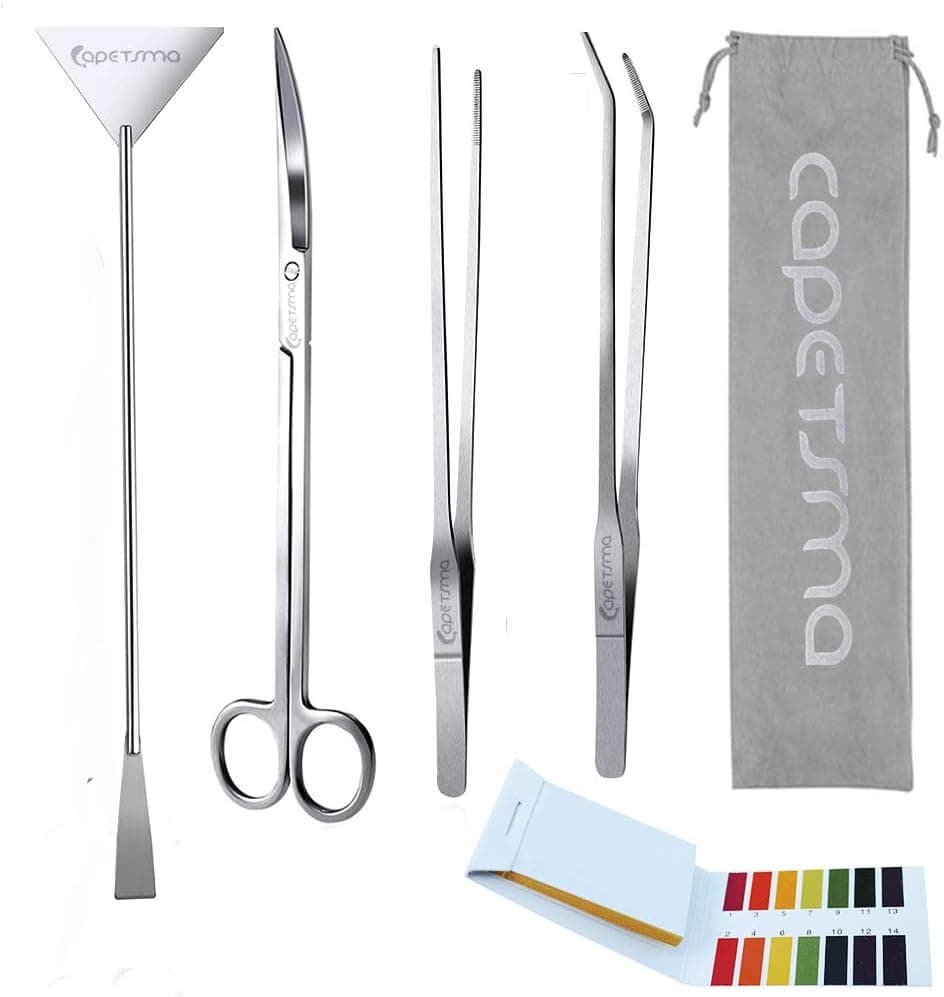
Tweezers make planting easier and reduce damage. Planting densely from the start helps the aquascape stay stable and reduces algae while plants adjust.
Keep conditions stable
Plants adapt better when conditions are steady. Avoid frequent changes to lighting duration, CO2 injection and fertiliser dosing in the first weeks, and keep temperature consistent.
Large daily swings in CO2 or light intensity can stress plants. Start with a moderate photoperiod, often 6-8 hours in a new tank, and increase gradually once plants show new growth.
Clean up and wait
Remove melting leaves promptly so they do not rot and add waste to the water, which can fuel algae and ammonia spikes. Do not pull up plants to check roots repeatedly, since disturbance can prolong melt.
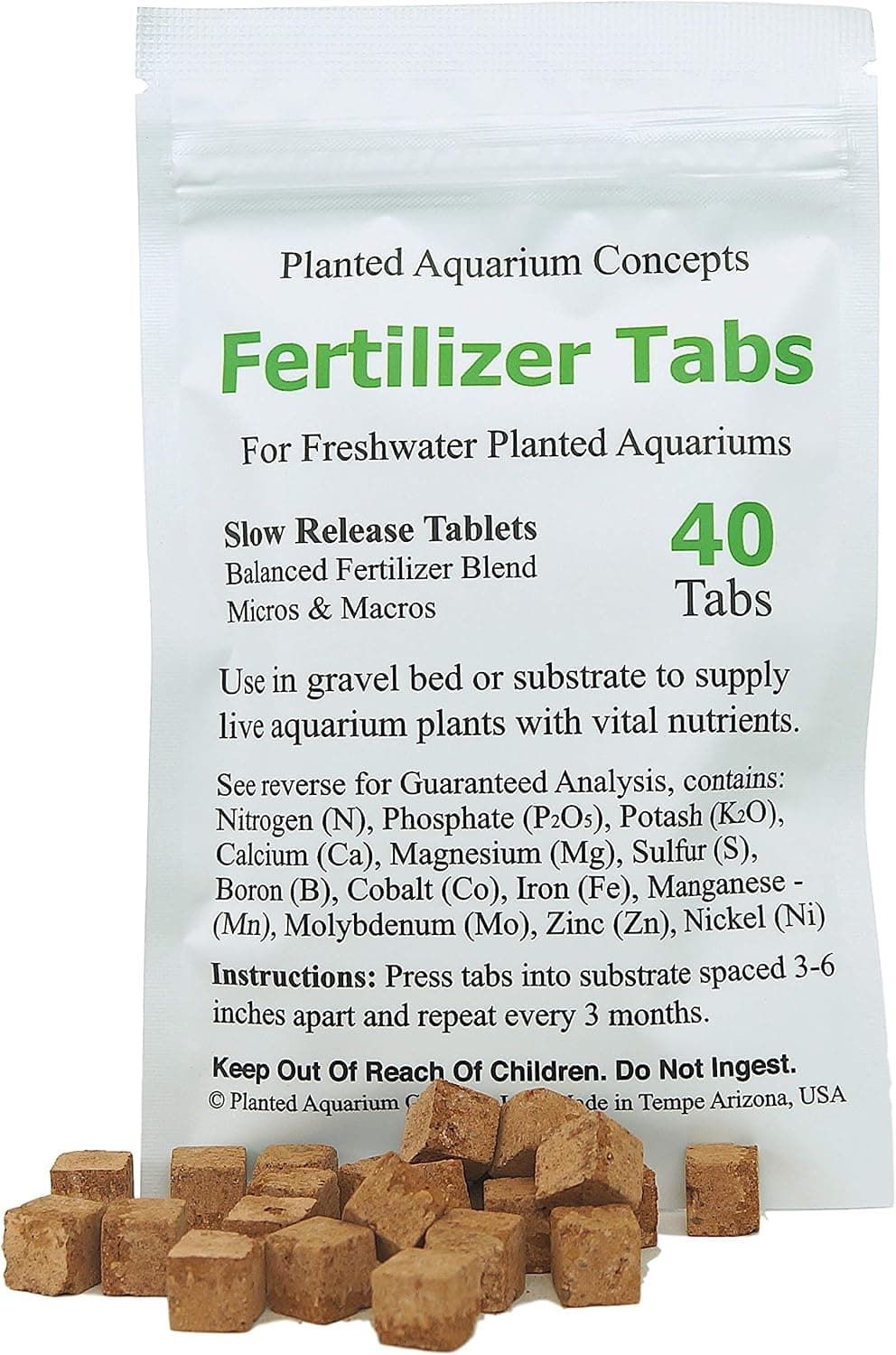
Be patient. Cryptocorynes may take several weeks to recover and push new leaves. Root tabs near heavy root feeders and regular water changes support recovery.
Products from this article
The highest-scoring picks from the buying guides mentioned above. Scores are our editorial assessment, not customer ratings.
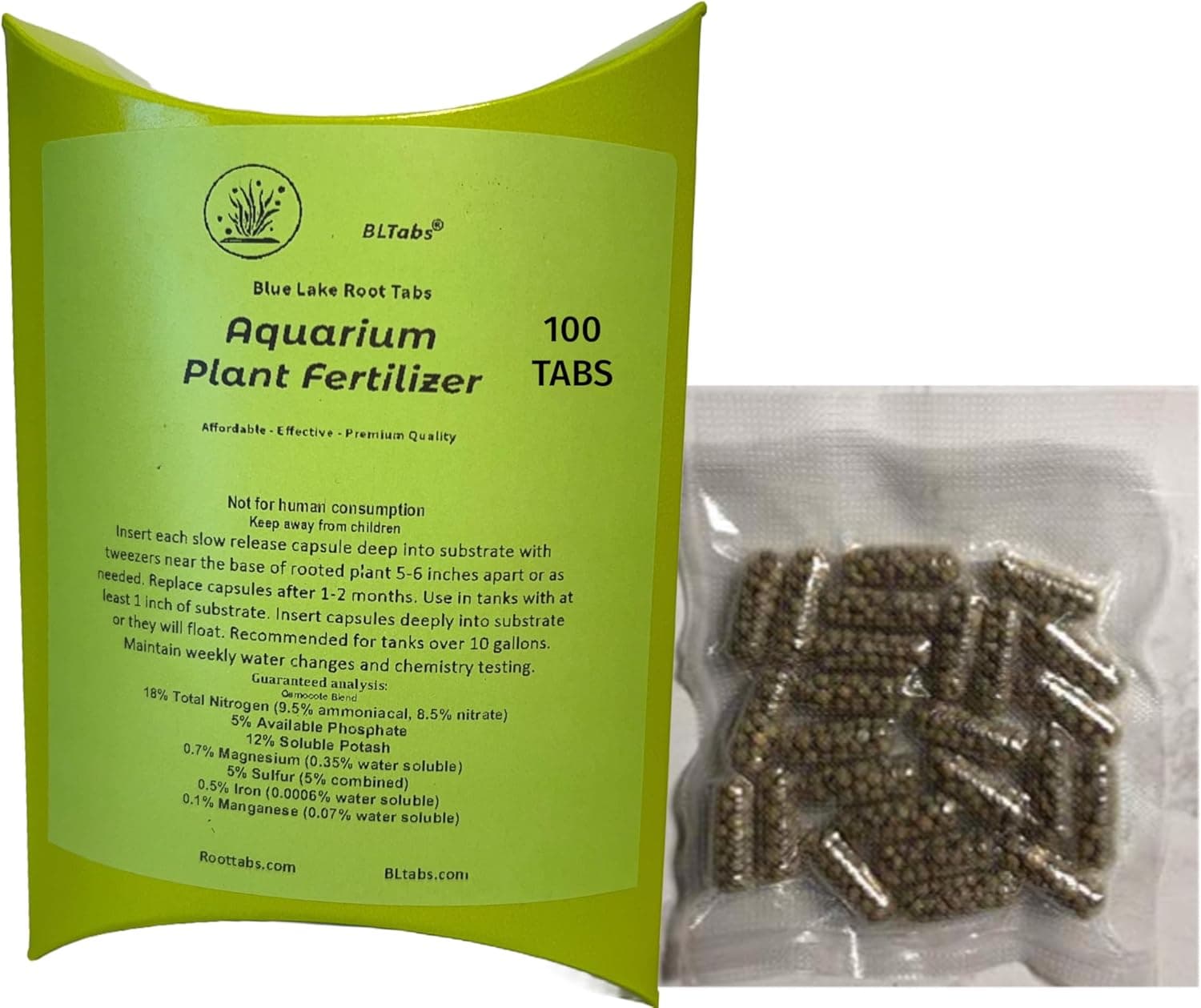
+ Osmocote-based tabs release nutrients slowly over time
From our guide: Best Root Tabs for Planted Tanks (2026)
+ Long tools reach the back of the tank without disturbing the scape
From our guide: Best Aquascaping Tool Kits for Planted Tanks (2026)
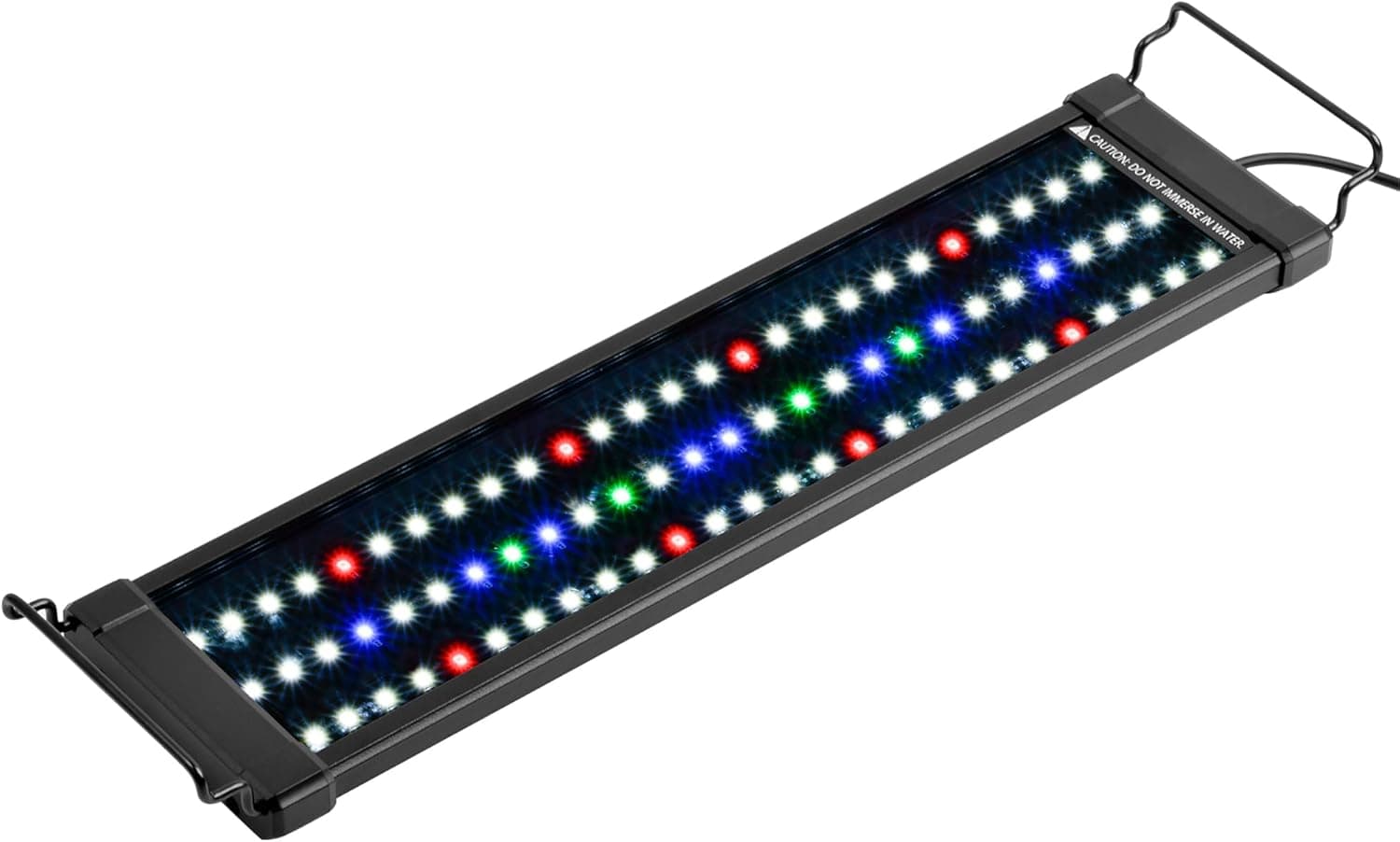
+ Built-in timer keeps lights on a consistent daily schedule
From our guide: Best Planted Tank LED Lights (2026)
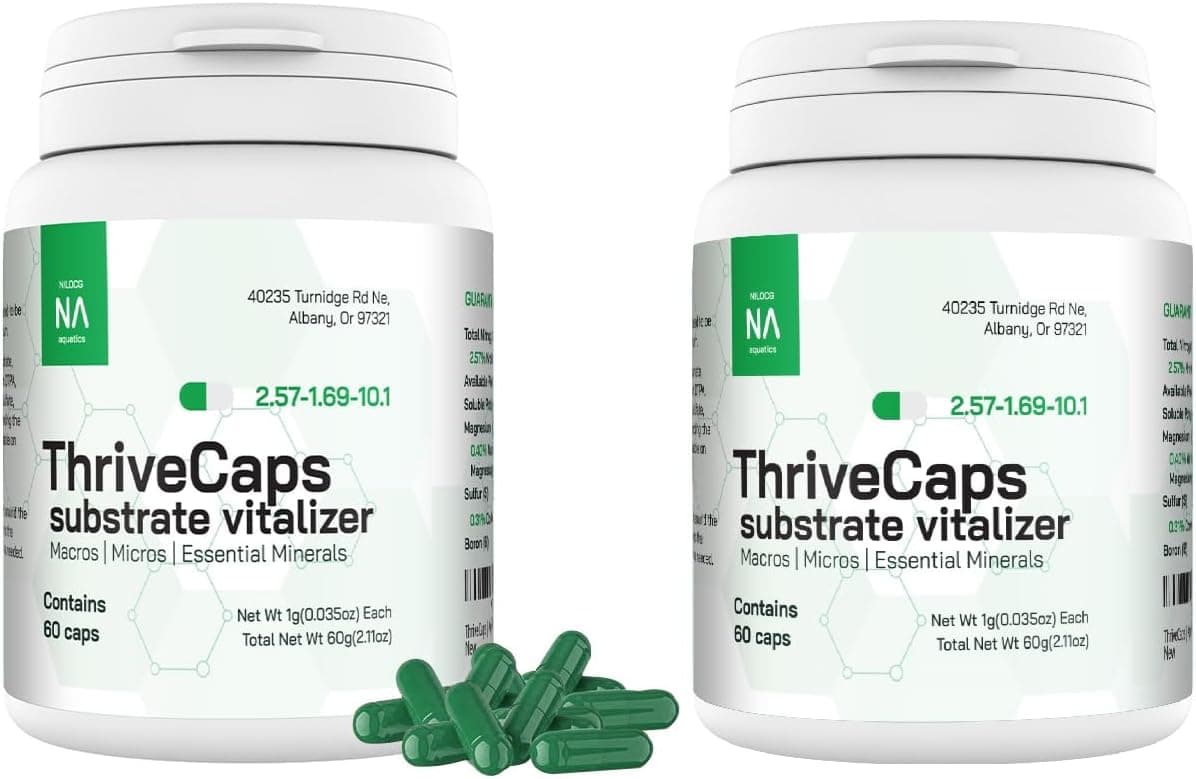
+ Two jars of 60ct give a long-lasting supply for heavy root feeders
From our guide: Best Root Tabs for Planted Tanks (2026)
Popular right now
- Best CO2 Regulators for Planted Tanks (2026)Buying guide
- Low-Tech vs High-Tech Planted Tanks ComparedArticle
- Setting Up a Shrimp-Safe Planted TankArticle
- How to Choose an Aquarium HeaterArticle
- Aquarium Quarantine Basics for New Fish and PlantsArticle
- Dosing Fertilizers in a Planted TankArticle
Based on the last 28 days of search and visitor data.