The Best Aquarium Plants for Beginners
Published How we research
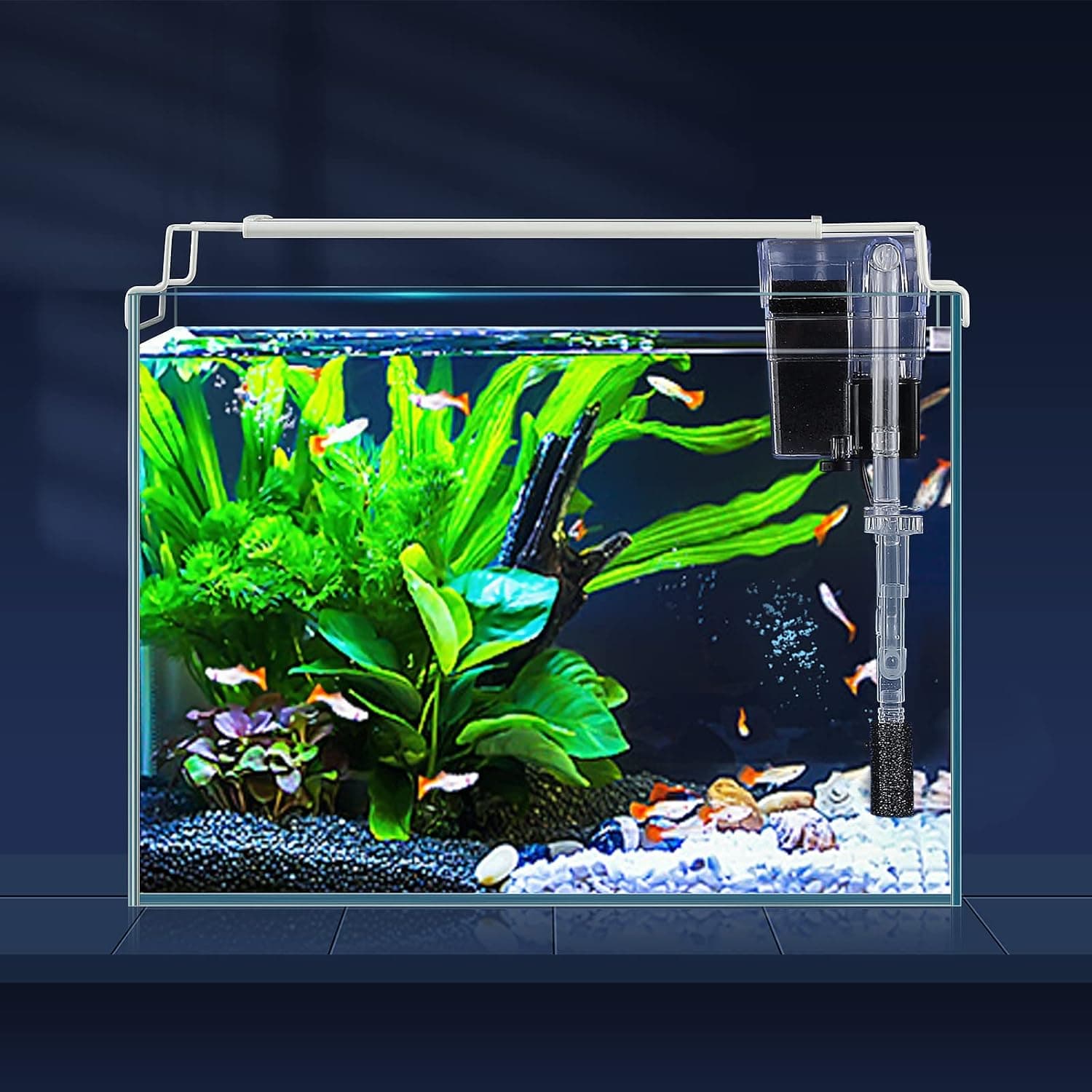
When you are new to planted tanks, the fastest way to get discouraged is to buy demanding plants that slowly melt away no matter what you do. The smarter approach is to start with hardy, forgiving species that grow reliably in modest conditions. Early success builds confidence and teaches you the basics, and there is a surprisingly wide range of attractive plants that ask very little in return.
Products from this article
The highest-scoring picks from the buying guides this article links to. Scores are our editorial assessment, not customer ratings.
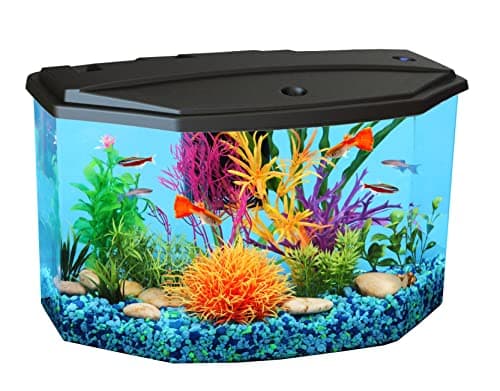
+ Filter and LED arrive together, so the tank can be cycled soon after unboxing
From our guide: Best Aquarium Kits for Planted Tanks (2026)
+ Included lid cuts evaporation and stops jumpers, which many starter kits skip
From our guide: Best Aquarium Kits for Planted Tanks (2026)
+ The 5 gallon size is a safer beginner volume than tiny desktop kits
From our guide: Best Aquarium Kits for Planted Tanks (2026)
+ Built-in filter runs at 25 gallons per hour and takes Koller Products XS replacement cartridges
From our guide: Best Aquarium Kits for Planted Tanks (2026)
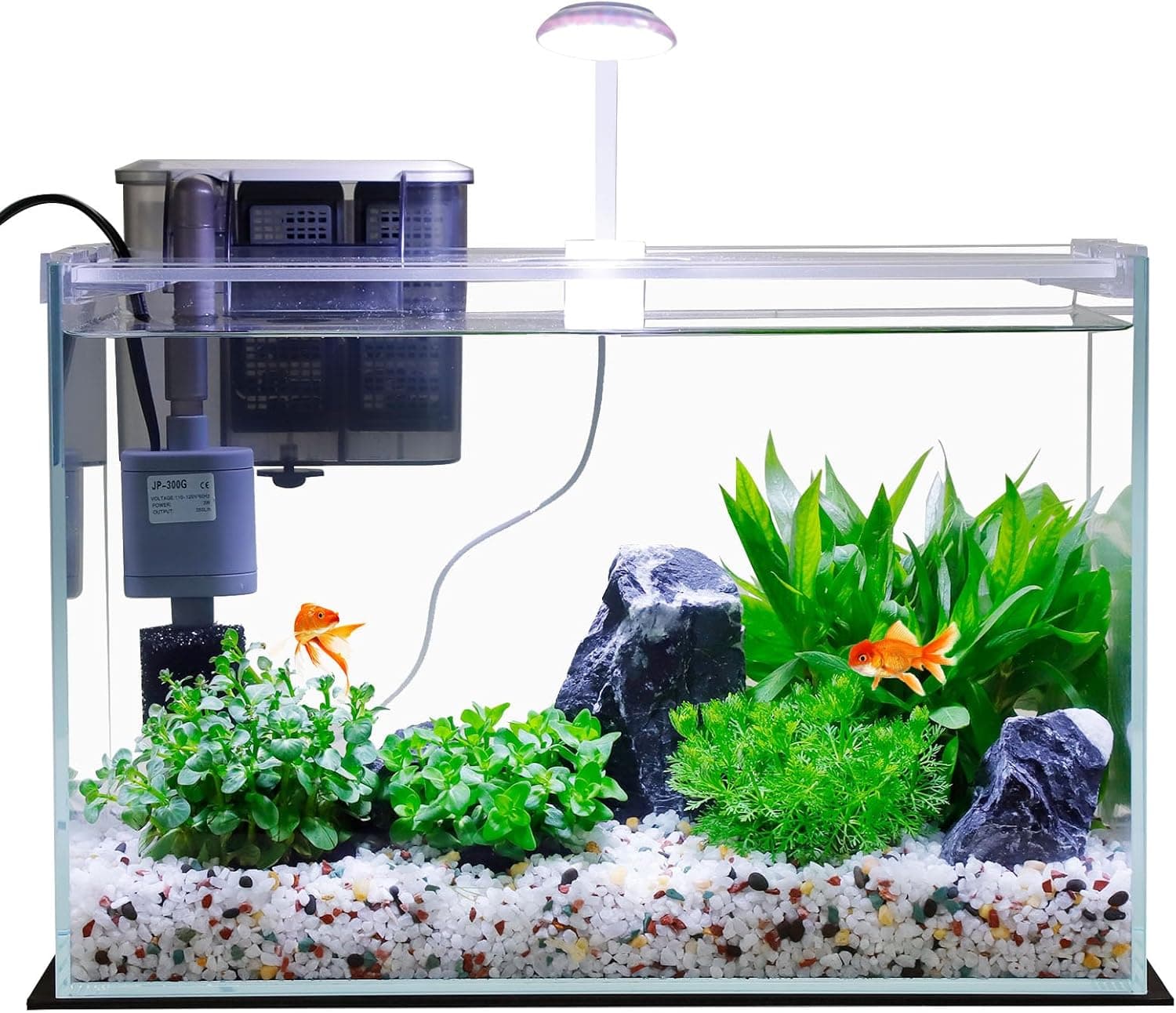
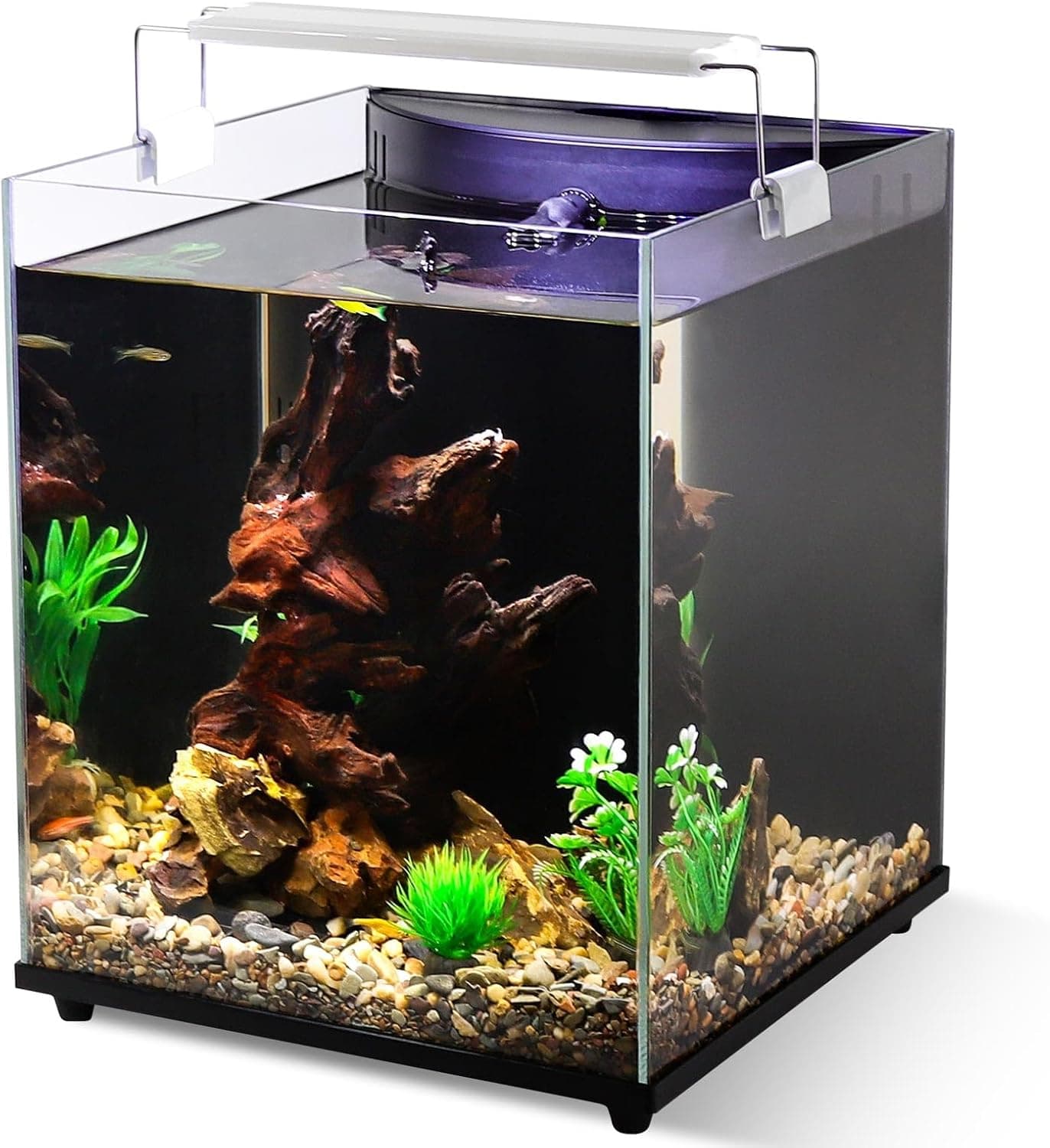
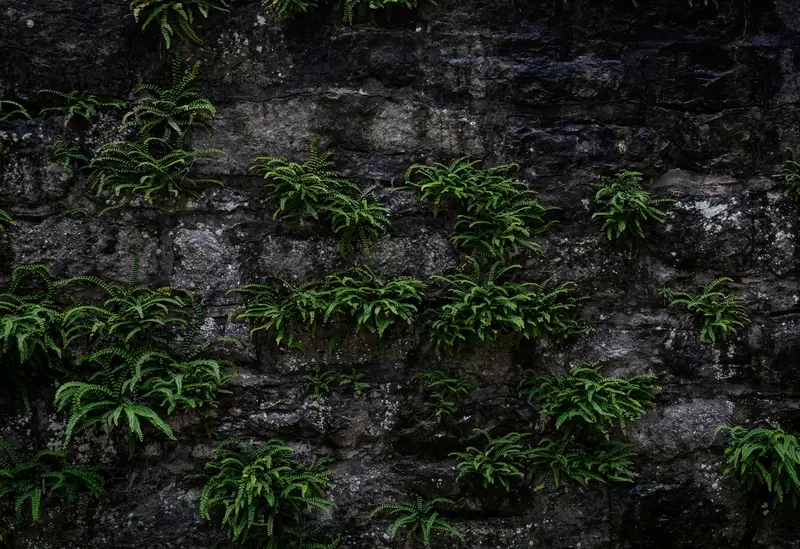
Among the most bulletproof beginner plants are anubias and java fern. Both are slow-growing, tolerate low light, and do not need CO2. Crucially, neither is planted in the substrate; instead you attach their rhizomes to rocks or driftwood, because burying the rhizome causes it to rot. This makes them wonderfully flexible for aquascaping and nearly impossible to kill through neglect.
Cryptocorynes, usually just called crypts, are another excellent starting point. These rooted plants come in many leaf shapes and colors and thrive in low to moderate light. Their one quirk is that they often melt back after being moved or after a change in conditions, dropping their leaves dramatically. Do not panic if this happens; the roots almost always push out new growth adapted to the tank within a few weeks.
For a bit of height and fast growth, hardy stem plants and floating plants are great choices. Fast growers soak up excess nutrients that would otherwise feed algae, so they actually help stabilize a young tank. Floating plants in particular grow quickly and provide shade and cover, though you will need to thin them regularly so they do not block all the light to plants below.
Mosses round out the beginner toolkit beautifully. Species like java moss attach to wood and stone, need no special care, and add a soft, natural texture that makes a layout look established. They also provide shelter for shrimp and fry, which makes them a favorite in tanks with small invertebrates.
Whatever you choose, give your new plants a few weeks to settle before judging them. Plant them at the right depth, keep your lighting consistent, do regular water changes, and add a gentle source of nutrients such as root tabs or a liquid fertilizer. Master a handful of these easy species first, and you will have the foundation to branch out into more demanding plants later.
Popular right now
- Best Clip-On Aquarium Lights for Planted Tanks (2026)Buying guide
- Best Nano Aquariums for Planted Tanks (2026)Buying guide
- Best Low-Iron Glass Tanks for Aquascaping (2026)Buying guide
- Best CO2 Regulators for Planted Tanks (2026)Buying guide
- Best Full-Spectrum Grow Lights for Planted Tanks (2026)Buying guide
- Best CO2 Tubing for Planted Tanks (2026)Buying guide
Based on the last 28 days of search and visitor data.