Choosing the Right Substrate for a Planted Tank
Published How we research
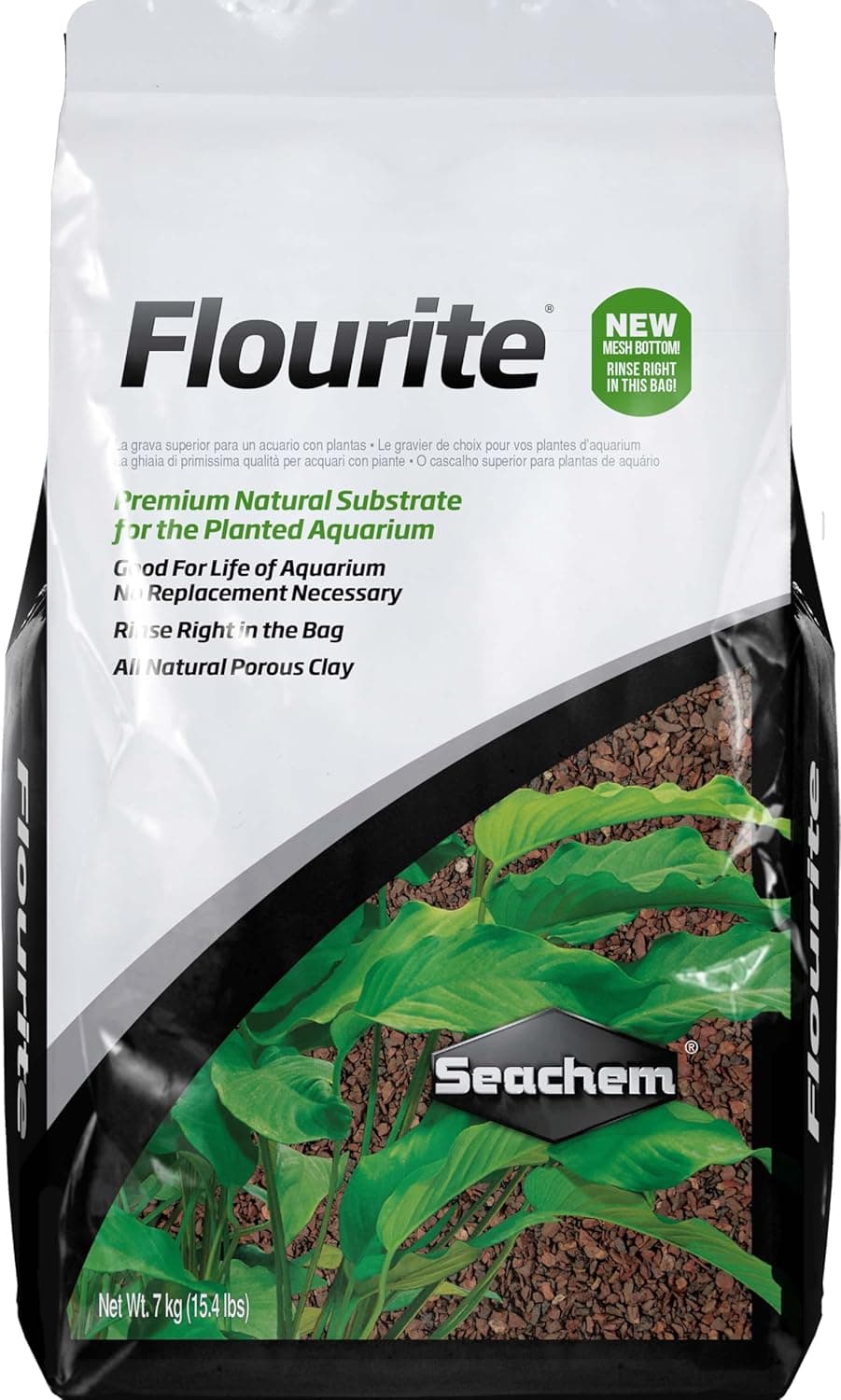
Substrate is more than just the material at the bottom of your tank; in a planted aquarium it is the foundation your plants root into and, in many cases, the source of the nutrients they feed on. Choosing the right one early saves a great deal of frustration, because tearing out and replacing substrate later means dismantling your entire aquascape.
Products from this article
The highest-scoring picks from the buying guides this article links to. Scores are our editorial assessment, not customer ratings.
+ Porous clay gravel does not break down like aqua soils
From our guide: Best Planted Tank Substrate (2026)
+ Nutrient-rich soil supports strong root growth for carpets and stems
From our guide: Best Aqua Soil for Planted Tanks (2026)
+ Crystal River color gives a clean light riverbed look
From our guide: Best Aquarium Sand for Planted Tanks (2026)
+ Black gravel makes plant greens and fish colors stand out
From our guide: Best Planted Tank Substrate (2026)


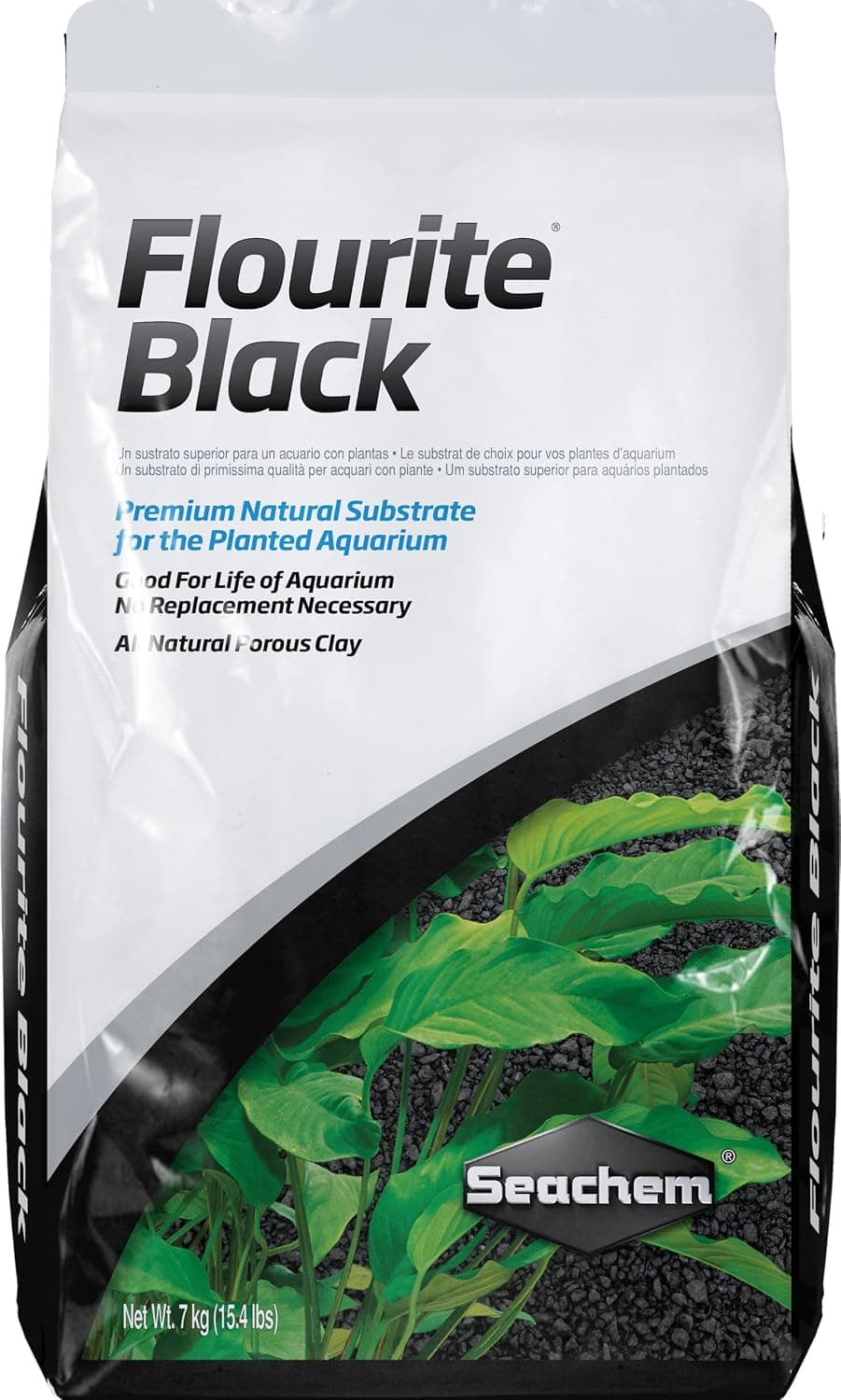
The most popular choice for serious plant growth is nutrient-rich aqua soil. These are specially made granules that release nutrients to plant roots and often lower the water hardness and pH slightly, which many aquatic plants and shrimp appreciate. Aqua soil supports demanding root-feeding plants beautifully, though it does gradually exhaust its nutrients over a period of a year or more and can cloud the water if disturbed heavily.
Inert substrates such as fine gravel or aquarium sand are the other main category. They provide no nutrients themselves, but they are inexpensive, long-lasting, and never break down. With inert substrate you simply supply nutrients another way, typically through root tabs pushed into the gravel near heavy feeders and liquid fertilizers dosed into the water column. Many low-tech planted tanks thrive on inert substrate alone.
Grain size matters more than beginners expect. Very fine sand can compact and trap pockets of gas, while very coarse gravel lets food and debris fall between the pieces where it rots out of reach. A medium grain in the range of a few millimeters is a safe middle ground that anchors roots well while still allowing water to move through it.
Some aquarists build layered systems, placing a nutrient-rich base layer underneath a cap of inert sand or gravel. This gives roots a rich feeding zone while keeping a tidy, attractive surface that resists clouding. If you go this route, cap the base generously so it stays buried even when you plant and replant.
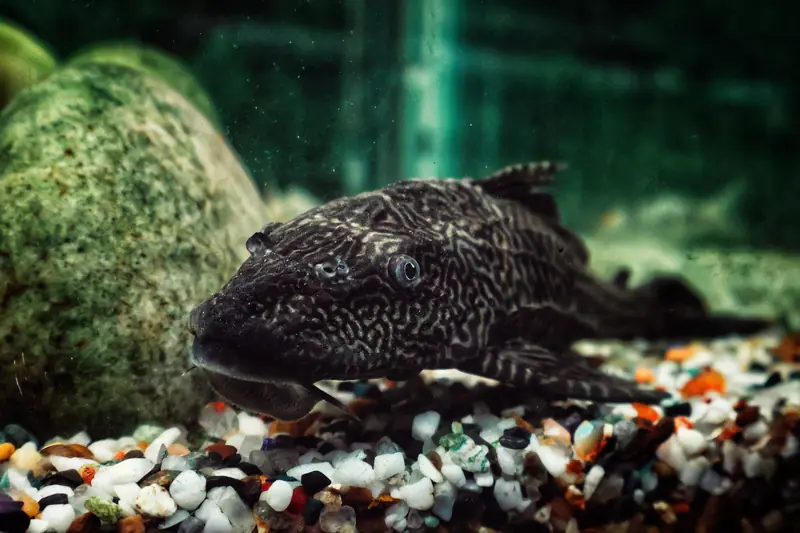
Whichever you choose, think about your livestock too. Soft-bellied bottom dwellers and burrowing species do best on smooth sand rather than sharp gravel, and shrimp keepers often favor buffering aqua soils. Match the substrate to both your plants and your animals, and it will serve the tank well for years.
Popular right now
- Best Clip-On Aquarium Lights for Planted Tanks (2026)Buying guide
- Best Nano Aquariums for Planted Tanks (2026)Buying guide
- Best Low-Iron Glass Tanks for Aquascaping (2026)Buying guide
- Best CO2 Regulators for Planted Tanks (2026)Buying guide
- Best Full-Spectrum Grow Lights for Planted Tanks (2026)Buying guide
- Best CO2 Tubing for Planted Tanks (2026)Buying guide
Based on the last 28 days of search and visitor data.