Dealing With Cloudy Aquarium Water
Published How we research

Few things worry new aquarists more than opening the curtains to find their once-clear tank has turned milky or hazy overnight. Cloudy water is a common issue, especially in new setups, and the good news is that it is almost always harmless and fixable once you understand the cause. The key is identifying which type of cloudiness you are dealing with, because the different causes call for different responses.
Products from this article
The highest-scoring picks from the buying guides this article links to. Scores are our editorial assessment, not customer ratings.
+ Large 12x72 roll can be cut to fit multiple filters and trays
From our guide: Best Filter Floss for Planted Tanks (2026)
+ The 50 Micron rating catches fine particles that coarse sponges miss
From our guide: Best Filter Floss for Planted Tanks (2026)
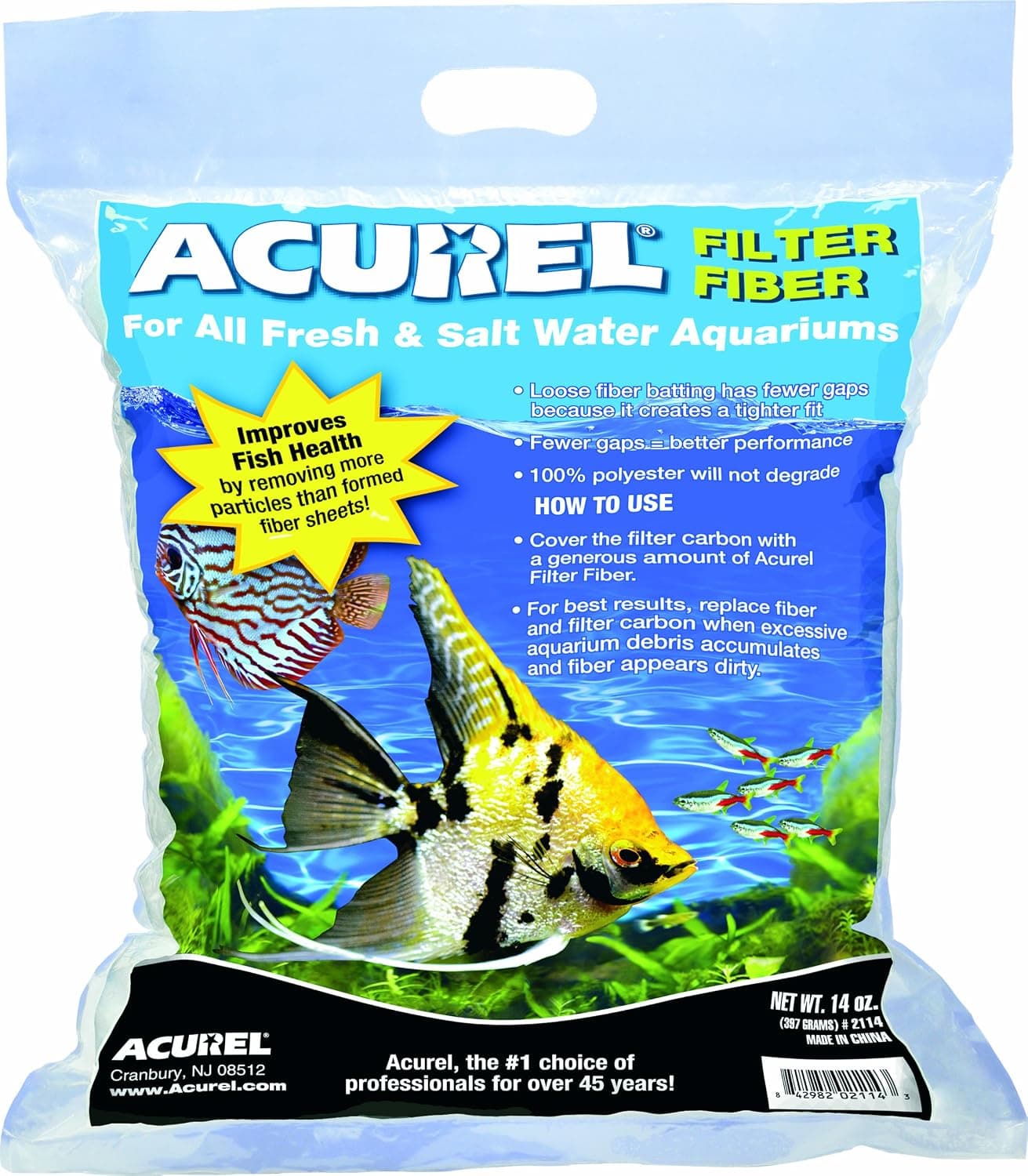
+ The 14-Ounce bag is the most economical Acurel size for frequent changes
From our guide: Best Filter Floss for Planted Tanks (2026)
+ Large 39.4 by 11.8 inch sheet cuts to fit any filter chamber.
From our guide: Best Filter Floss for Planted Tanks (2026)



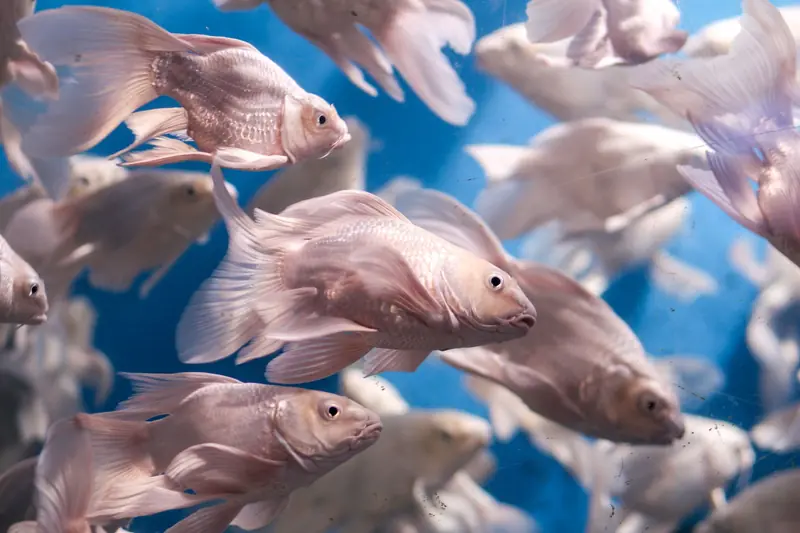
The most common culprit in a new tank is a bacterial bloom, which gives the water a whitish, milky haze. This happens when free-floating bacteria multiply rapidly in response to abundant nutrients before the tank's biological filtration has matured to keep them in check. It is a normal part of a young tank finding its balance, and it typically clears on its own within a few days to a couple of weeks as the system stabilizes.
Because a bacterial bloom is a phase the tank works through, the best response is often patience combined with good husbandry. Avoid overfeeding, since excess food fuels the bacteria, and do not overreact by scrubbing everything or tearing down the tank, which only prolongs the instability. Gentle, consistent maintenance and letting the biological filter mature usually resolves it without any dramatic intervention.
A different kind of cloudiness comes from fine particles suspended in the water, often after adding new substrate or disturbing the existing one. This looks more like dust or sediment than a milky haze, and it appears immediately rather than developing over days. Rinsing substrate thoroughly before adding it prevents most of this, and when it does happen, mechanical filtration with fine filter floss clears the particles out, aided by a water change.
Green cloudy water is a separate problem altogether, caused by a bloom of single-celled algae suspended in the water column, usually driven by too much light or excess nutrients. This is not the same as a bacterial bloom and needs a different fix, typically reducing the photoperiod and light intensity and addressing the underlying nutrient excess. Blocking out light for a few days can help clear a green-water bloom in stubborn cases.
In most situations the right course is to identify the type, address any obvious trigger like overfeeding or excess light, do a modest water change, and then give the tank time. Resist the urge to add chemical clarifiers or make drastic changes at the first sign of haze. A stable, well-maintained tank clears itself, and understanding the cause means you can prevent the cloudiness from returning.
Popular right now
- Best Clip-On Aquarium Lights for Planted Tanks (2026)Buying guide
- Best Nano Aquariums for Planted Tanks (2026)Buying guide
- Best Low-Iron Glass Tanks for Aquascaping (2026)Buying guide
- Best CO2 Regulators for Planted Tanks (2026)Buying guide
- Best Full-Spectrum Grow Lights for Planted Tanks (2026)Buying guide
- Best CO2 Tubing for Planted Tanks (2026)Buying guide
Based on the last 28 days of search and visitor data.