The Dutch Aquascaping Style
Published How we research
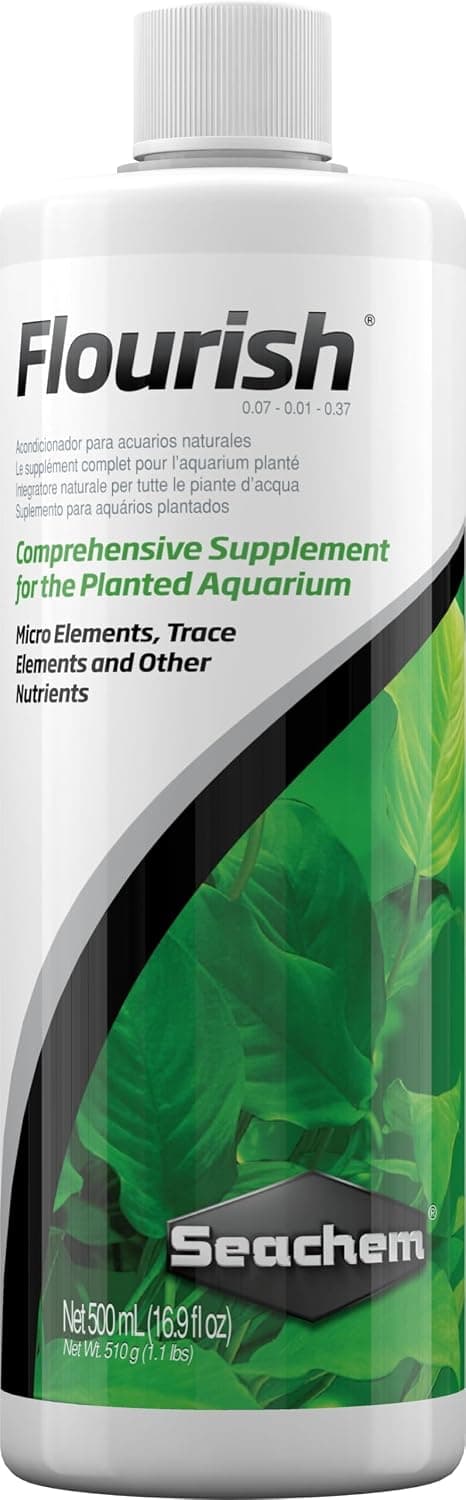
The Dutch aquascaping style is the horticultural showpiece of the planted tank world. Where other styles imitate wild landscapes, the Dutch style treats the aquarium like a formal underwater garden, packed with lush, healthy plants arranged for maximum contrast and visual richness. It is one of the oldest recognized styles in the hobby and remains a benchmark for plant-growing skill.
Products from this article
The highest-scoring picks from the buying guides this article links to. Scores are our editorial assessment, not customer ratings.
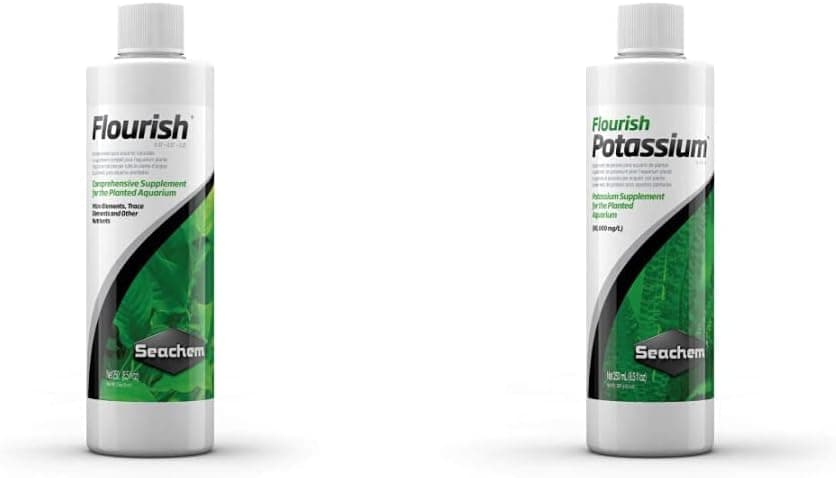
+ Potassium complements Flourish to address common deficiencies
From our guide: Best Aquarium Plant Nutrients for Planted Tanks (2026)
+ Built-in timer keeps lights on a consistent daily schedule
From our guide: Best Planted Tank LED Lights (2026)
+ Concentrated formula makes the 500ml bottle last a long time
From our guide: Best Liquid Fertilizers for Planted Tanks (2026)
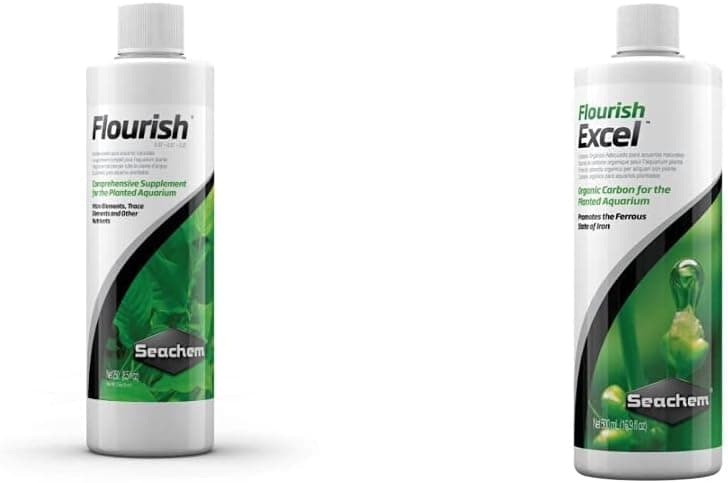
+ Excel adds a liquid carbon source for tanks without CO2 injection
From our guide: Best Aquarium Plant Nutrients for Planted Tanks (2026)


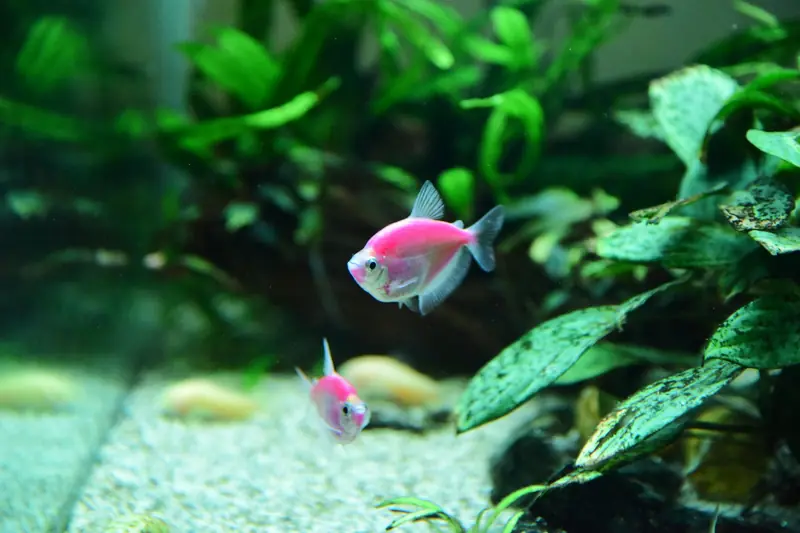
The most distinctive feature of the Dutch style is that it uses little or no hardscape. There are typically no rocks or driftwood on display; instead the entire composition is built from plants alone. This puts enormous emphasis on the health, density, and arrangement of the plants themselves, so the style is really a celebration of horticulture more than sculpture.
Dutch layouts are organized into what aquascapers call plant streets, which are groups of a single species arranged in diagonal or curving lines that draw the eye through the tank and create a sense of depth. Different species are grouped in distinct clumps rather than mixed together, and neighboring groups are chosen to contrast in leaf shape, texture, and color so each stands out clearly from the next.
Color and contrast are used deliberately and boldly. A feathery green group might sit beside a broad-leaved red one, with height stepping up gently from front to back so nothing is hidden. Red and finely textured plants are often placed as focal points, and the overall effect is a dense, tiered tapestry that feels abundant yet carefully controlled rather than chaotic.
Achieving this look requires serious commitment to plant care. Dutch tanks generally demand strong lighting, CO2 injection, and a disciplined fertilizer routine to keep so many plants thriving in close quarters. Regular, precise trimming is essential to maintain the crisp boundaries between groups and to keep faster growers from overwhelming their neighbors.
The Dutch style is best suited to aquarists who love gardening and take satisfaction in cultivating plants to their peak. If you enjoy the hands-on work of pruning, propagating, and arranging, it offers endless scope for refinement. Start with a manageable number of contrasting species, master keeping them healthy, and build up the density and complexity as your confidence and skills grow.
Popular right now
- Best Clip-On Aquarium Lights for Planted Tanks (2026)Buying guide
- Best Nano Aquariums for Planted Tanks (2026)Buying guide
- Best Low-Iron Glass Tanks for Aquascaping (2026)Buying guide
- Best CO2 Regulators for Planted Tanks (2026)Buying guide
- Best Full-Spectrum Grow Lights for Planted Tanks (2026)Buying guide
- Best CO2 Tubing for Planted Tanks (2026)Buying guide
Based on the last 28 days of search and visitor data.