How to Cycle a New Aquarium Before Adding Fish
Published How we research
Cycling establishes two bacterial colonies, one converting ammonia to nitrite, another converting nitrite to nitrate, before fish can safely live in a tank. The fishless method adds an ammonia source yourself while keeping the heater and filter running so bacteria can colonize. Test regularly for ammonia, nitrite, and nitrate to track progress, and speed things up by seeding with mature filter media or substrate from an established tank. The tank is cycled when it processes an ammonia dose to zero ammonia and nitrite within about a day while showing nitrate. Do a large water change, then stock fish gradually. Cycling a new aquarium is the process of establishing the beneficial bacteria that keep your water safe, and it is the step most responsible for whether your first fish thrive or perish. Skipping it is the classic beginner mistake, because a fresh tank full of clear water has no biological filtration yet and cannot process the waste that fish produce. Taking a few weeks to cycle properly sets your tank up for long-term success.
Products from this article
The highest-scoring picks from the buying guides this article links to. Scores are our editorial assessment, not customer ratings.
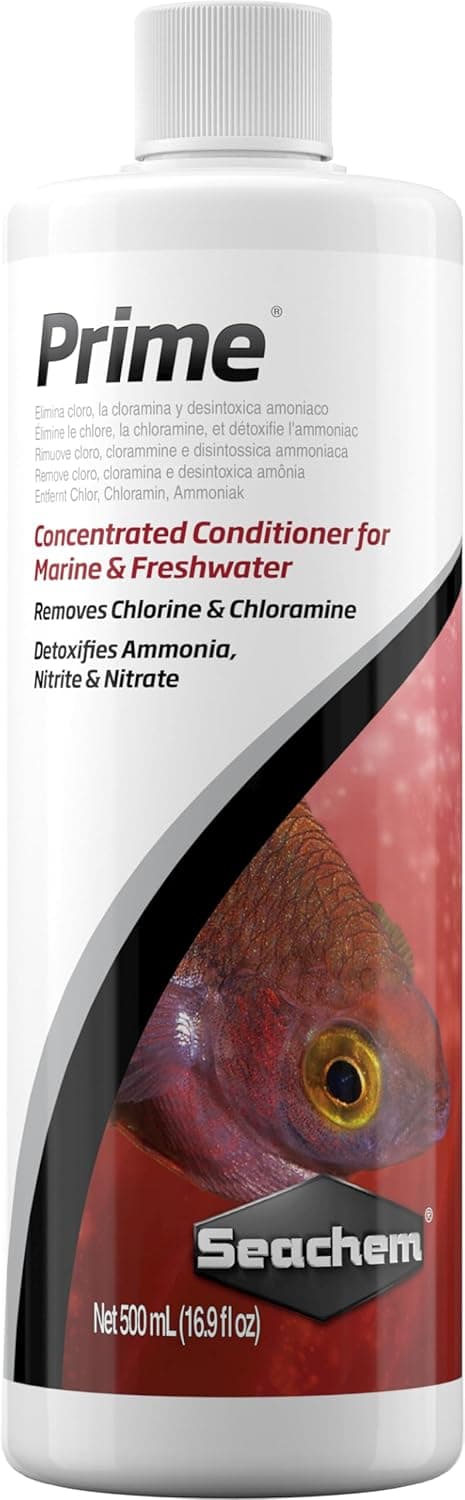
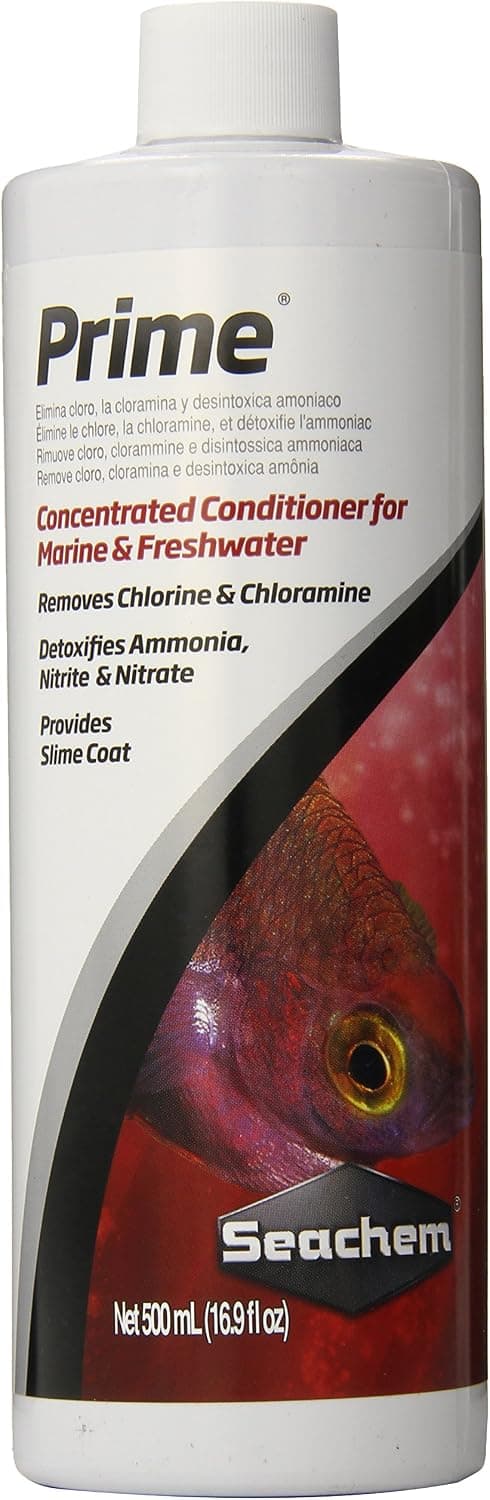
+ Concentrated formula treats a huge volume from the 500 ml bottle
From our guide: Best Water Conditioners for Planted Tanks (2026)
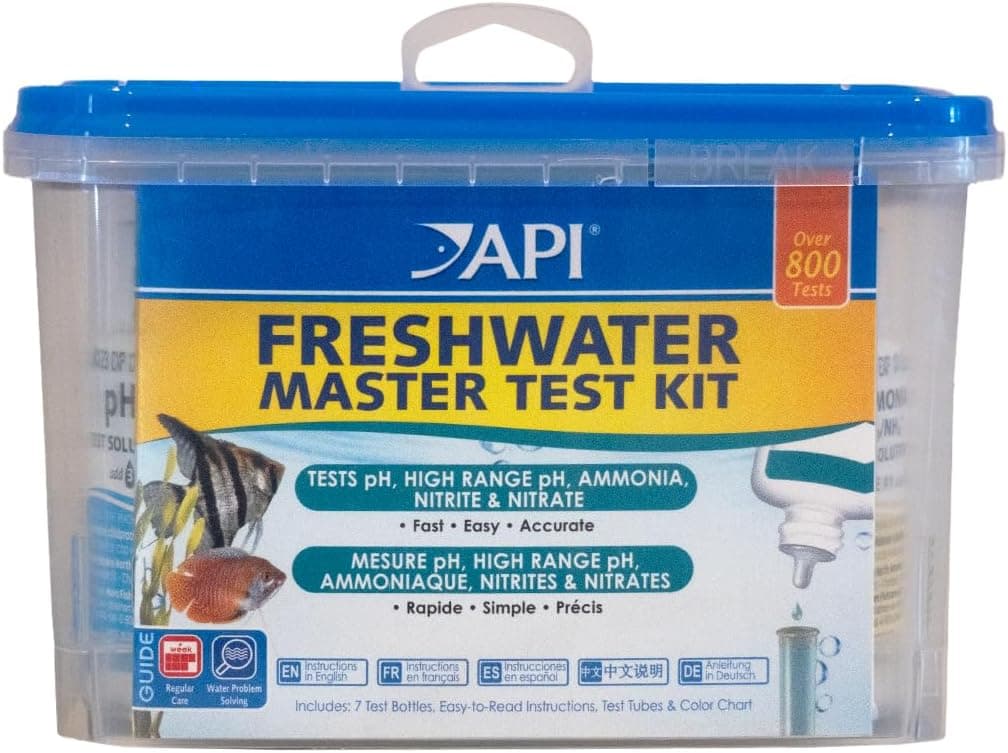
+ Liquid tests are more accurate than most strips
From our guide: Best Water Test Kits for Planted Tanks (2026)
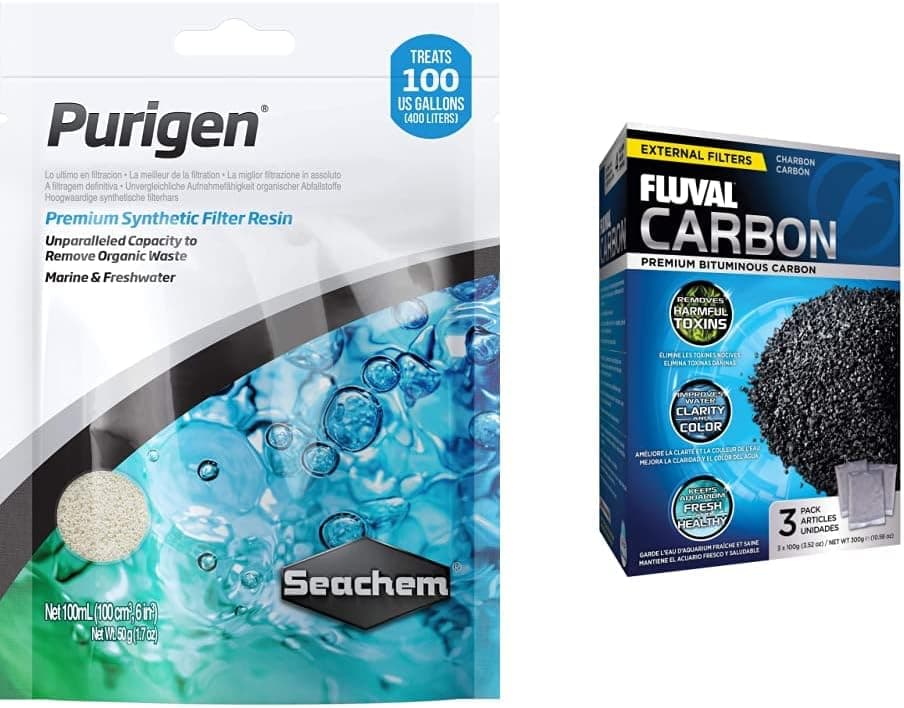
+ Purigen is rechargeable with bleach, so it can be reused many times
From our guide: Best Filter Media for Planted Tanks (2026)
+ The 16.9 fl. oz bottle lasts a long time for most home tanks
From our guide: Best Water Conditioners for Planted Tanks (2026)
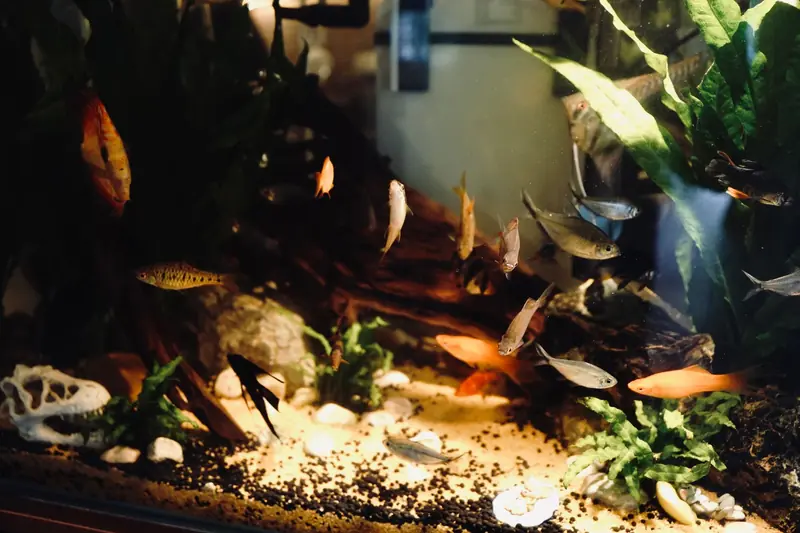
The goal of cycling is to grow two bacterial colonies
The goal of cycling is to grow two colonies of bacteria: one that converts toxic ammonia into nitrite, and another that converts nitrite into far less harmful nitrate. Until both colonies are established, ammonia or nitrite can quickly reach levels that harm or kill fish. Cycling simply means feeding these bacteria an ammonia source and giving them time to multiply until they can keep pace with a stocked tank.
The fishless cycle is the kindest, most popular method
The kindest and most popular method is the fishless cycle. Instead of subjecting fish to toxic water, you add an ammonia source yourself, either bottled pure ammonia or a pinch of fish food left to decay. This creates the ammonia the bacteria need to colonize your filter and substrate. Keep the tank running with the heater and filter on throughout, because the bacteria need warmth, oxygen, and flow to establish.
Testing the water tracks the cycle's progress
Testing the water is how you follow the cycle's progress, so a reliable test kit that measures ammonia, nitrite, and nitrate is essential. At first you will see ammonia climb. After a while nitrite will appear and rise as the first bacteria get to work, and ammonia will begin to fall. Eventually nitrate appears as the second colony develops, and both ammonia and nitrite drop back toward zero.
Seeding can speed up the process
You can speed things up by seeding the new tank with mature media, such as a used filter sponge or some substrate from an established, healthy aquarium. This introduces living bacteria directly rather than waiting for them to arrive on their own, and it can shorten the cycle considerably. Bottled bacteria products can help too, though results vary. Patience remains important either way; a full cycle commonly takes several weeks.
Knowing when your tank is fully cycled
You know the tank is cycled when it can process ammonia rapidly: add an ammonia source and, within about a day, both ammonia and nitrite read zero while nitrate is present. At that point do a large water change to bring the nitrate down, and you can begin adding fish slowly. Stock gradually rather than all at once, so the bacterial colonies can grow to match the rising bioload.
Frequently asked questions
What is the fishless method of cycling an aquarium? Adding an ammonia source yourself, either bottled ammonia or decaying fish food, to feed the bacteria that need to colonize your filter and substrate, without subjecting live fish to toxic water.
How can I speed up cycling a new aquarium? Seed the new tank with mature media, such as a used filter sponge or substrate from an established, healthy aquarium, which introduces living bacteria directly and can shorten the cycle considerably.
How do I know when my new aquarium is fully cycled? Add an ammonia source and check that within about a day both ammonia and nitrite read zero while nitrate is present, then do a large water change before adding fish gradually.
Should I add all my fish at once after cycling a new tank? No, stock gradually rather than all at once, so the bacterial colonies can grow to match the rising bioload as you add more fish.
Popular right now
- Best Clip-On Aquarium Lights for Planted Tanks (2026)Buying guide
- Best Nano Aquariums for Planted Tanks (2026)Buying guide
- Best Low-Iron Glass Tanks for Aquascaping (2026)Buying guide
- Best CO2 Regulators for Planted Tanks (2026)Buying guide
- Best Full-Spectrum Grow Lights for Planted Tanks (2026)Buying guide
- Best CO2 Tubing for Planted Tanks (2026)Buying guide
Based on the last 28 days of search and visitor data.