The Aquarium Nitrogen Cycle Explained Simply
Published How we research
Fish produce toxic ammonia, which one group of bacteria converts into nitrite, itself toxic and dangerous to fish's oxygen-carrying ability, until a second group converts nitrite into comparatively safe nitrate. Cycling, establishing both bacterial colonies, typically takes several weeks, done with a fishless ammonia source or hardy fish. Once a tank consistently reads zero ammonia, zero nitrite, and some nitrate, it's cycled and safe. From there, maintenance means regular water changes, careful feeding, and never wiping out the bacterial colonies by scrubbing filter media in hot water. The nitrogen cycle is the single most important concept for any aquarium keeper to understand, because it explains why a brand-new tank can quietly poison its fish even when the water looks perfectly clear. In simple terms, the cycle is the natural process by which harmful waste products are converted into far less harmful ones by colonies of beneficial bacteria living in your filter and substrate.
Products from this article
The highest-scoring picks from the buying guides this article links to. Scores are our editorial assessment, not customer ratings.
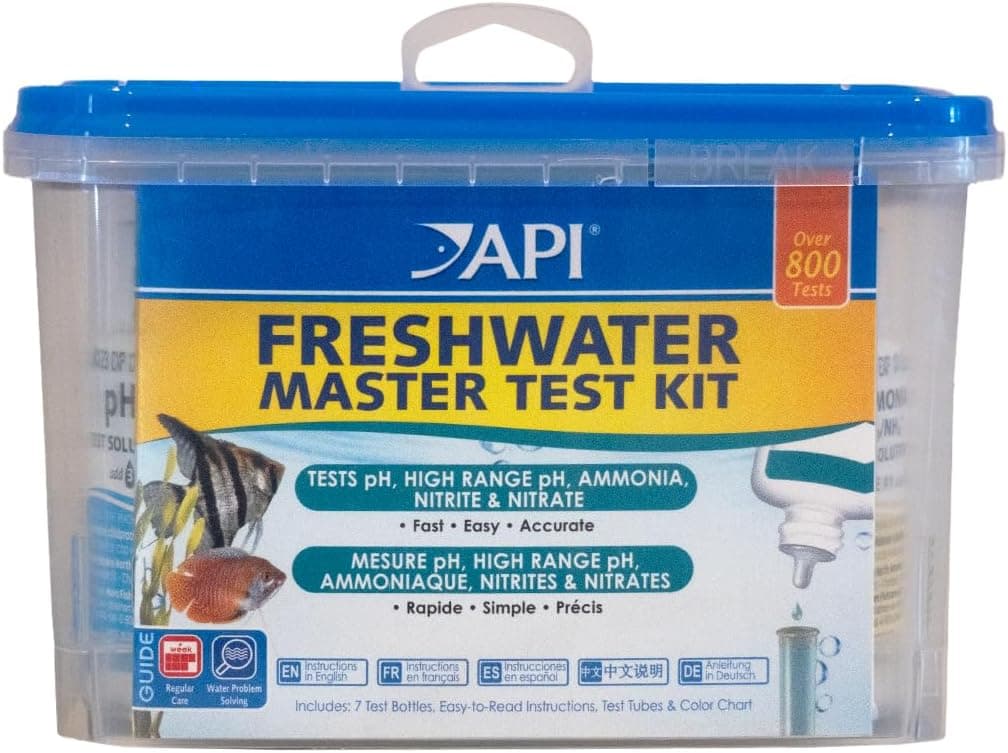
+ Liquid tests are more accurate than most strips
From our guide: Best Water Test Kits for Planted Tanks (2026)
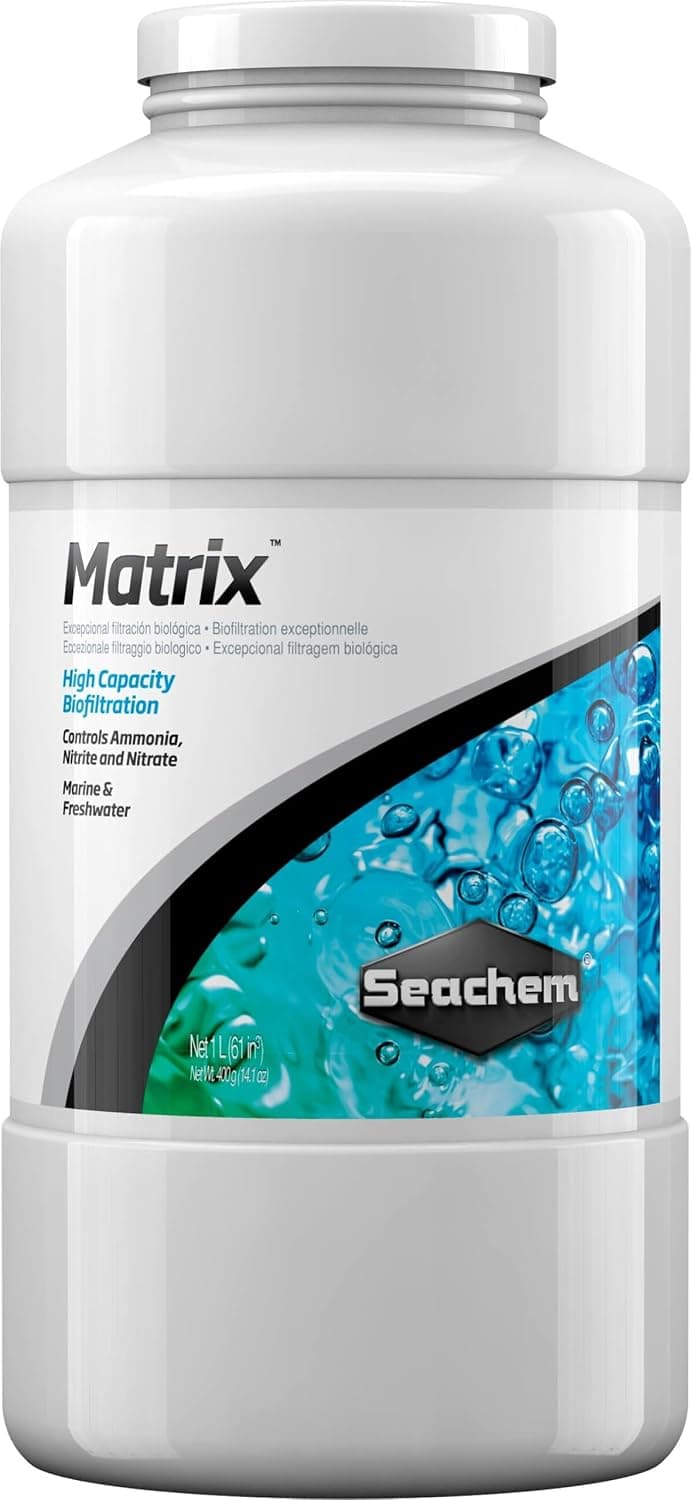
+ The 1 Liter tub fills a full tray in most mid-size canister filters
From our guide: Best Biological Media for Planted Tanks (2026)
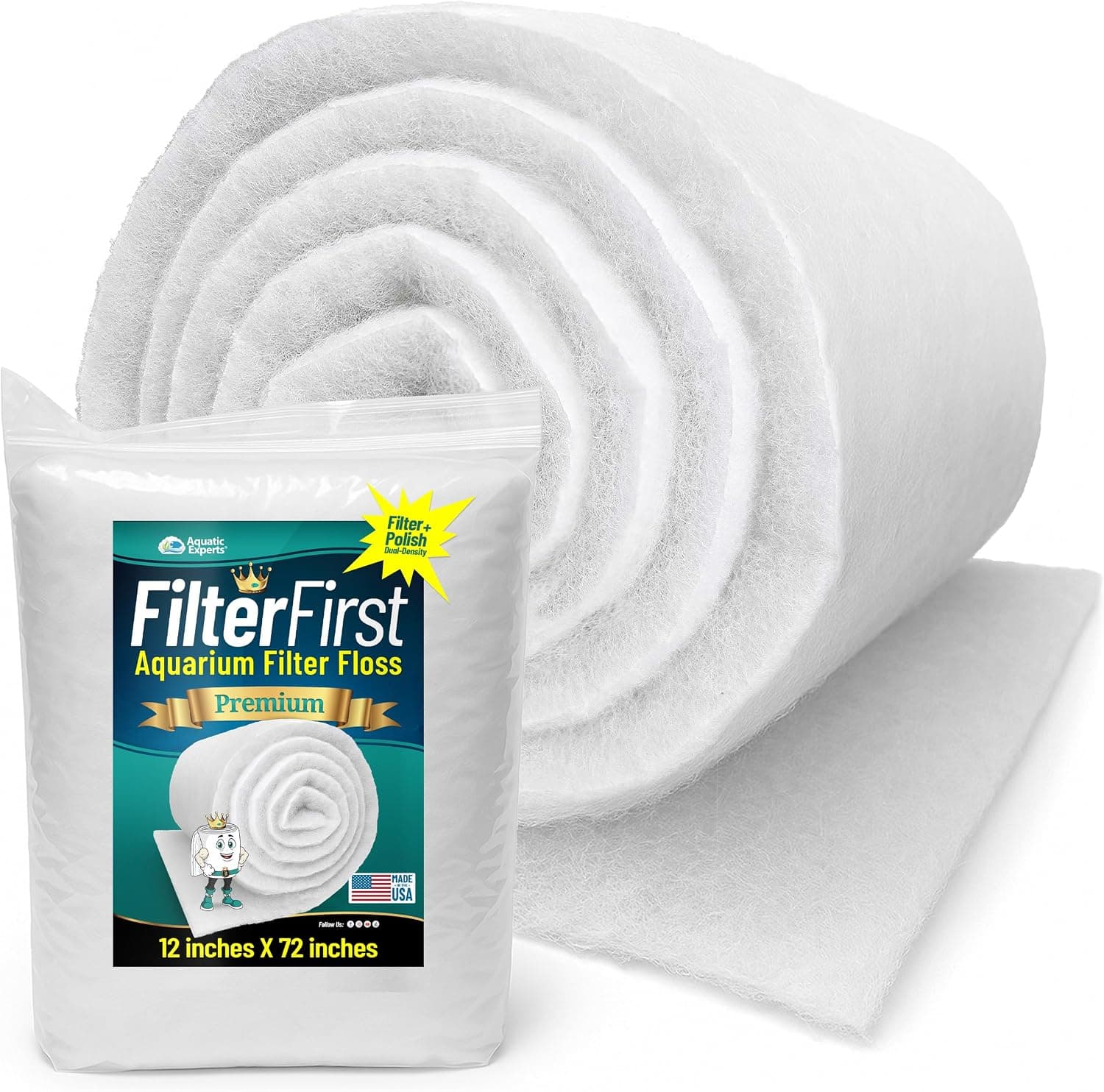
+ Large 12x72 roll can be cut to fit multiple filters and trays
From our guide: Best Filter Floss for Planted Tanks (2026)
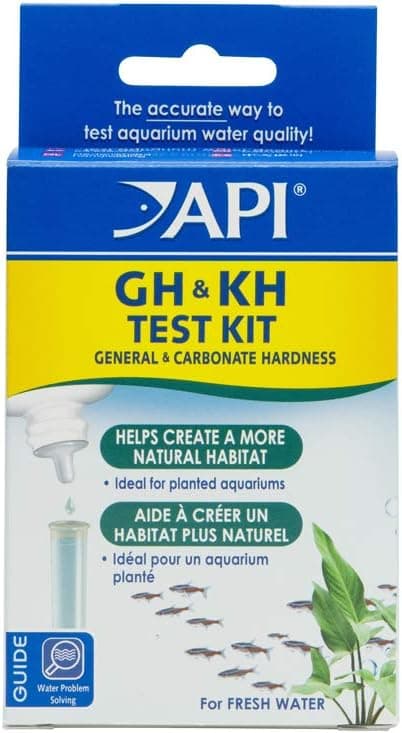
+ Measures GH and KH, key for shrimp and plant health
From our guide: Best Water Test Kits for Planted Tanks (2026)
It all starts with ammonia
It all starts with ammonia. Fish produce ammonia through their gills and waste, and decaying food or plant matter adds even more. Ammonia is highly toxic even at low concentrations, so it cannot be allowed to accumulate. In an established tank you should always read zero ammonia, because the bacteria are consuming it as fast as it appears.
The first bacteria convert ammonia to nitrite
The first group of beneficial bacteria feeds on ammonia and converts it into nitrite. Unfortunately nitrite is also toxic to fish, interfering with their ability to carry oxygen in the blood. This is why a tank in the middle of cycling can be dangerous: the ammonia is being processed, but the resulting nitrite is still harmful until a second group of bacteria arrives on the scene.
The second group converts nitrite to nitrate
That second group converts nitrite into nitrate, which is the comparatively safe end product of the cycle. Nitrate is far less toxic and only becomes a problem when it builds up to high levels over time. In a planted tank, living plants actually take up some nitrogen compounds as fertilizer, which helps keep nitrate in check between water changes.
Cycling establishes both bacterial colonies
Getting a tank to the point where both bacterial colonies are established is called cycling, and it typically takes several weeks. You can cycle with a bottled ammonia source (a fishless cycle) or with hardy fish, though the fishless method is gentler and increasingly preferred. Throughout the process you test the water and watch ammonia rise and fall, then nitrite rise and fall, and finally nitrate appear.
Once cycled, your job becomes maintenance
Once your tank consistently reads zero ammonia, zero nitrite, and some measurable nitrate, the cycle is complete and the system can safely support life. From then on your job is maintenance: regular water changes to keep nitrate low, careful feeding to avoid overloading the bacteria, and never doing anything that would wipe out those hard-won colonies, such as scrubbing the filter media in hot tap water.
Frequently asked questions
Why is a new aquarium dangerous for fish before it's cycled? A fresh tank has no established bacterial colonies to process the ammonia fish produce, so toxic ammonia and then nitrite can build up to harmful levels even when the water looks perfectly clear.
What is the difference between ammonia, nitrite, and nitrate? Ammonia is highly toxic fish waste, converted by bacteria into nitrite, which is also toxic and interferes with oxygen transport in fish, before a second bacteria group converts it into far safer nitrate.
How long does it take to cycle a new aquarium? Getting both bacterial colonies established typically takes several weeks, whether cycling with a bottled ammonia source or with hardy fish, tracked by testing for ammonia, nitrite, and nitrate.
How do I know my aquarium is fully cycled? When it consistently reads zero ammonia, zero nitrite, and some measurable nitrate, the cycle is complete and the tank can safely support fish.
Popular right now
- Best Clip-On Aquarium Lights for Planted Tanks (2026)Buying guide
- Best Nano Aquariums for Planted Tanks (2026)Buying guide
- Best Low-Iron Glass Tanks for Aquascaping (2026)Buying guide
- Best CO2 Regulators for Planted Tanks (2026)Buying guide
- Best Full-Spectrum Grow Lights for Planted Tanks (2026)Buying guide
- Best CO2 Tubing for Planted Tanks (2026)Buying guide
Based on the last 28 days of search and visitor data.