Planting Carpet Plants for a Lush Aquarium Foreground
Published How we research
A lush green carpet spreading across the foreground is one of the most sought-after looks in aquascaping, giving a tank the appearance of a manicured lawn or a grassy meadow. It is also one of the more challenging effects to achieve, because most carpeting plants are demanding by nature. Understanding what they need and how to plant them properly makes the difference between a thriving carpet and a patchy, algae-covered disappointment.
Products from this article
The highest-scoring picks from the buying guides this article links to. Scores are our editorial assessment, not customer ratings.
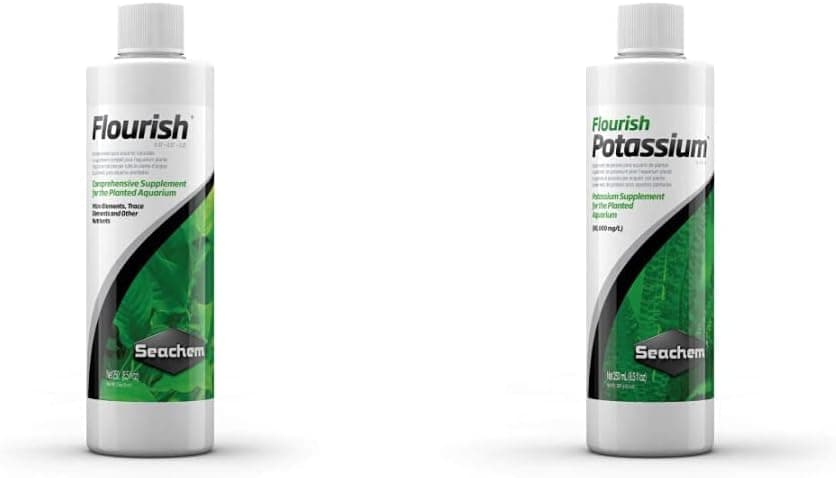
+ Potassium complements Flourish to address common deficiencies
From our guide: Best Aquarium Plant Nutrients for Planted Tanks (2026)
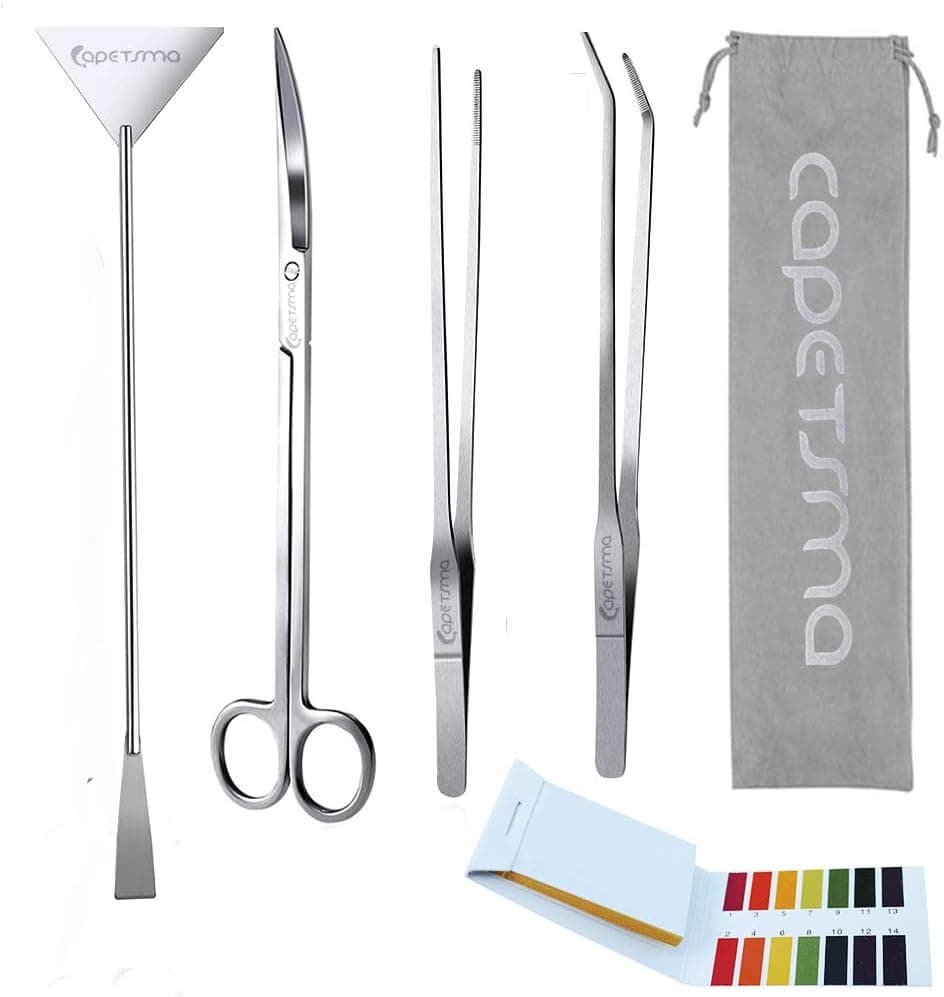
+ Long tools reach the back of the tank without disturbing the scape
From our guide: Best Aquascaping Tool Kits for Planted Tanks (2026)
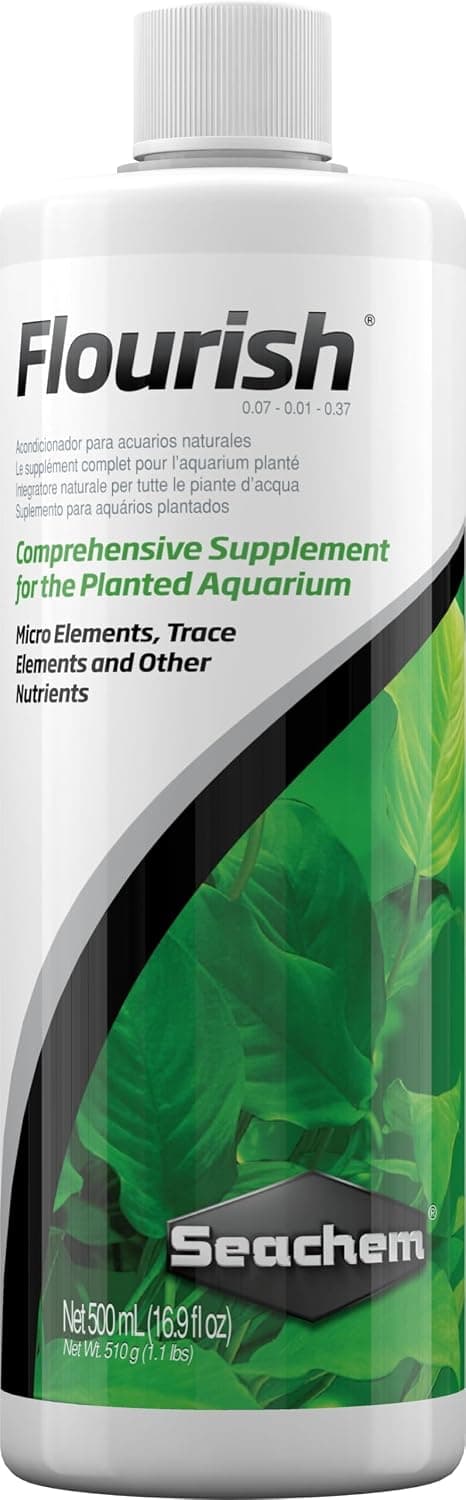
+ Concentrated formula makes the 500ml bottle last a long time
From our guide: Best Liquid Fertilizers for Planted Tanks (2026)
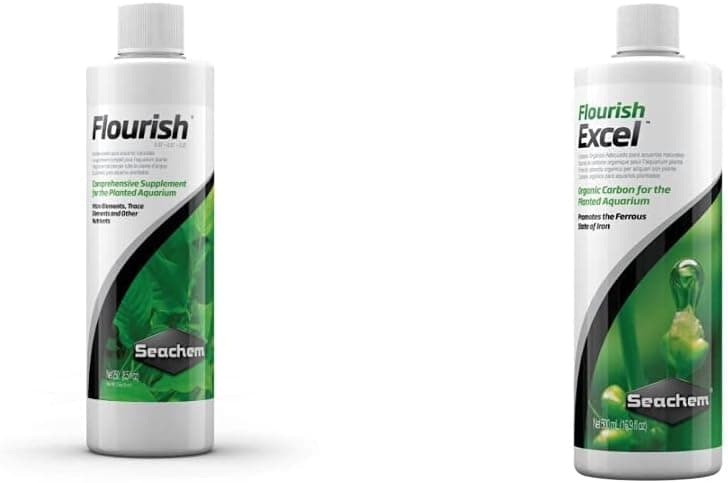
+ Excel adds a liquid carbon source for tanks without CO2 injection
From our guide: Best Aquarium Plant Nutrients for Planted Tanks (2026)

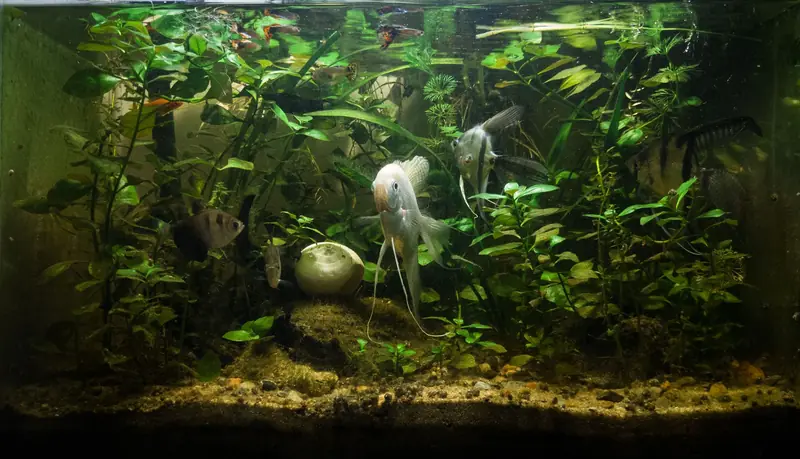
Carpeting plants are low-growing species that spread horizontally across the substrate, sending out runners or creeping stems to fill in gaps over time. Because they sit low in the tank, far from the light source, they generally need strong lighting to receive enough energy, and most benefit greatly from CO2 injection and rich nutrients. This is why carpets are far easier to grow in high-tech setups than in low-tech ones, though a few hardier species can manage with less.
Proper planting technique is essential, and patience during planting pays off later. Carpeting plants usually arrive in small pots or tissue-culture cups and must be divided into many tiny portions before planting. Using tweezers, you push each small clump into the substrate a short distance apart, giving them room to spread and fill the gaps. Spacing them out actually produces better coverage than crowding, because it encourages the plants to send out runners.
One popular technique for establishing a carpet is the dry start method. Instead of filling the tank right away, you plant into moist substrate and keep the tank humid and covered, letting the plants grow emersed above the waterline for several weeks before flooding. This lets carpeting plants root firmly and spread without the pressure of underwater algae competition, and it often results in a denser, faster-established carpet.
Rich substrate underpins a good carpet, since these plants root into it and feed heavily. A nutrient-rich aqua soil gives carpeting plants the best start, and it also has a fine enough grain for their delicate roots to grab hold. If you use inert substrate, be diligent with root tabs and water-column dosing so the plants never go hungry during their demanding establishment phase.
Once a carpet is established, regular trimming keeps it healthy and dense. Trimming the top growth encourages the plants to spread outward and stay low rather than growing tall and shading themselves. It takes commitment, but the payoff is a striking, lawn-like foreground that transforms the whole feel of an aquascape. Choose a species matched to your equipment, plant carefully, feed well, and give it time.
Popular right now
- Best Clip-On Aquarium Lights for Planted Tanks (2026)Buying guide
- Best Nano Aquariums for Planted Tanks (2026)Buying guide
- Best Low-Iron Glass Tanks for Aquascaping (2026)Buying guide
- Best CO2 Regulators for Planted Tanks (2026)Buying guide
- Best Full-Spectrum Grow Lights for Planted Tanks (2026)Buying guide
- Best CO2 Tubing for Planted Tanks (2026)Buying guide
Based on the last 28 days of search and visitor data.