Why Aquarium Shrimp Die and How to Keep Them Healthy
Published How we research
Freshwater shrimp are popular in planted tanks for their colour and cleaning habits, but they are more sensitive than many fish. Losing shrimp regularly usually points to unstable water conditions, contaminants or an immature tank. Identifying the cause early prevents losing the whole colony.
Start with water parameters
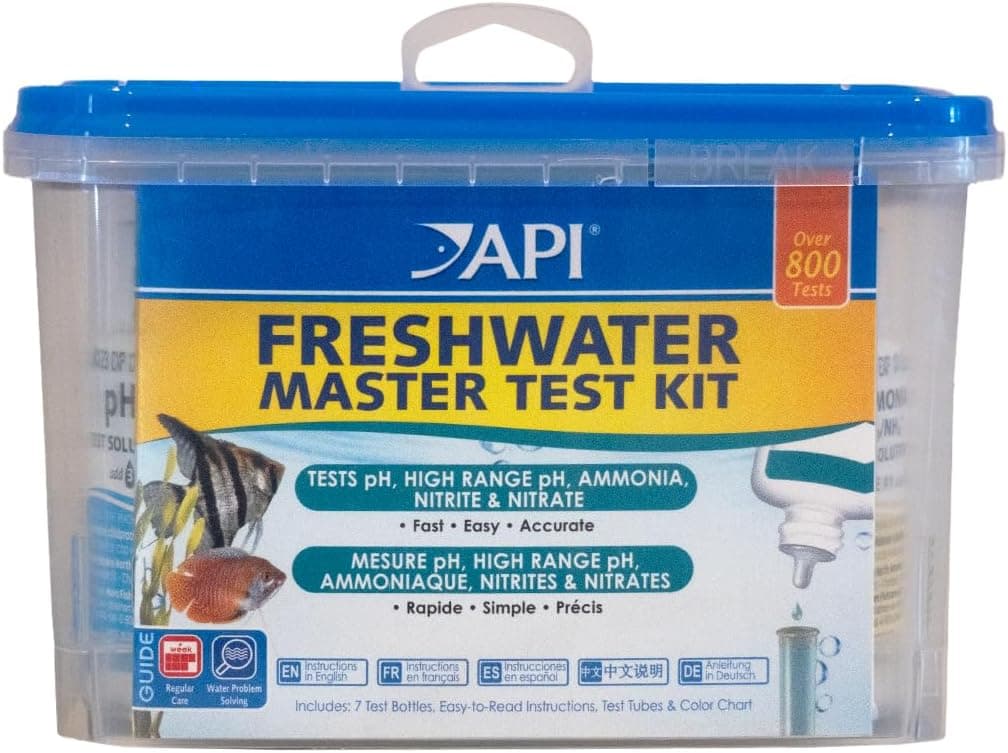
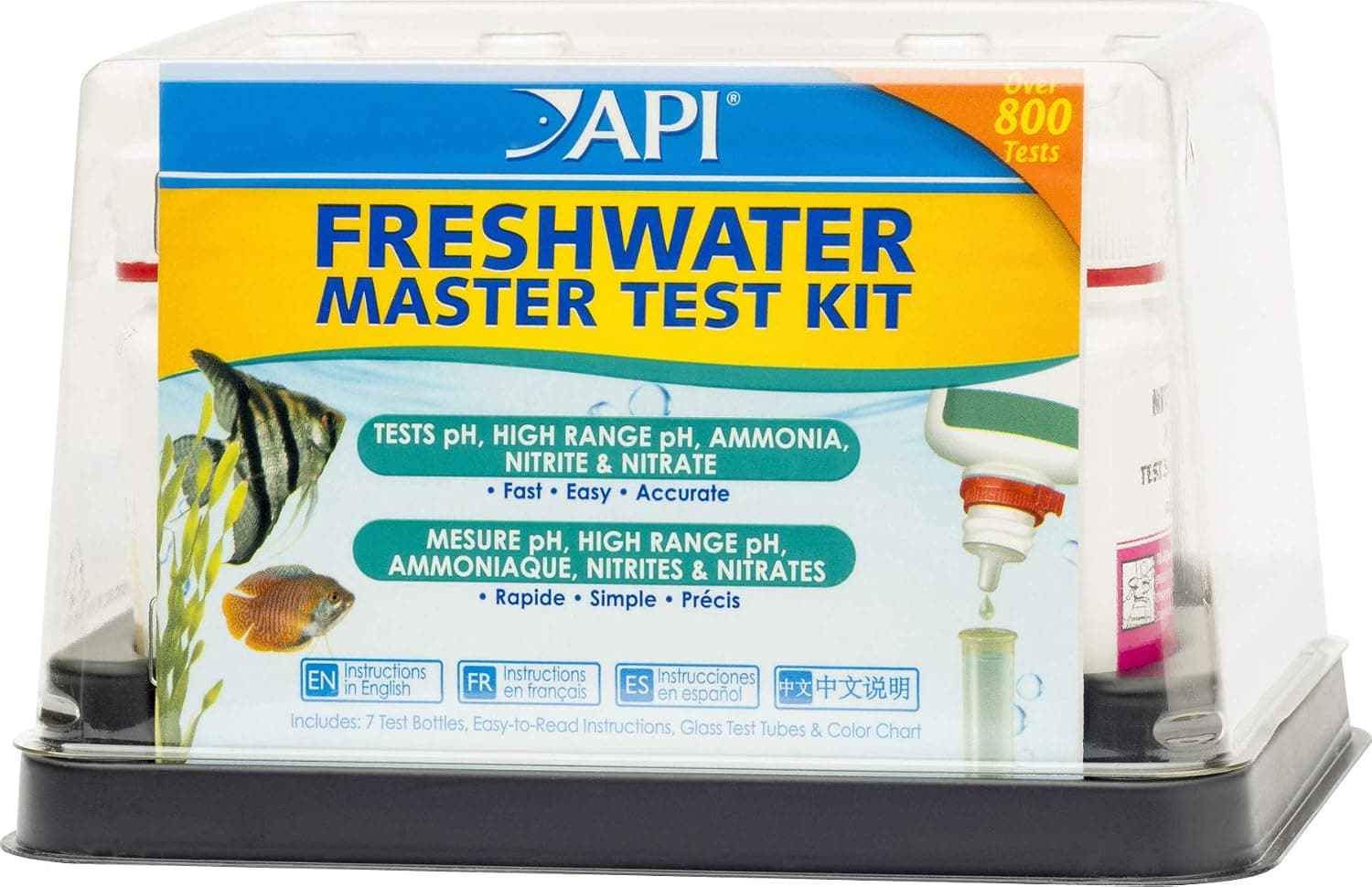
Ammonia and nitrite should always read zero, and nitrates should be kept low. Test water with a reliable test kit, especially in newer tanks, since shrimp are very sensitive to ammonia spikes.
Neocaridina shrimp, such as cherry shrimp, tolerate a wider range of parameters than Caridina shrimp, such as crystal red shrimp, which often need softer water and more specific conditions. Research the needs of your species.
Avoid sudden changes
Large water changes with water of very different temperature, hardness or pH can shock shrimp. Many shrimp keepers do smaller, regular water changes and match temperature and parameters carefully.
Acclimate new shrimp slowly using drip acclimation over an hour or more. Adding shrimp directly to a tank with different conditions often leads to deaths within days.
Watch for contaminants
Copper is toxic to shrimp. Check fertilisers, plant treatments, medications and algae products for copper, and avoid using them in shrimp tanks unless labelled shrimp safe.
Pesticides on new plants can kill shrimp. Buy tissue culture plants or rinse and quarantine plants before adding them, and avoid spraying household chemicals near the aquarium.
Molting problems
Shrimp shed their exoskeleton to grow. Failed molts, where a shrimp gets stuck with a white ring behind the head, can indicate incorrect mineral levels or sudden changes in water chemistry.
Maintain stable general hardness appropriate for your species, and avoid large water changes that suddenly lower minerals. Leave molted shells in the tank, since shrimp often eat them to recover minerals.
Give them a mature, safe tank
Shrimp do best in established aquariums with biofilm, plants and places to hide. Adding shrimp to a newly cycled tank increases the risk of losses, because the tank lacks biofilm food and stability.
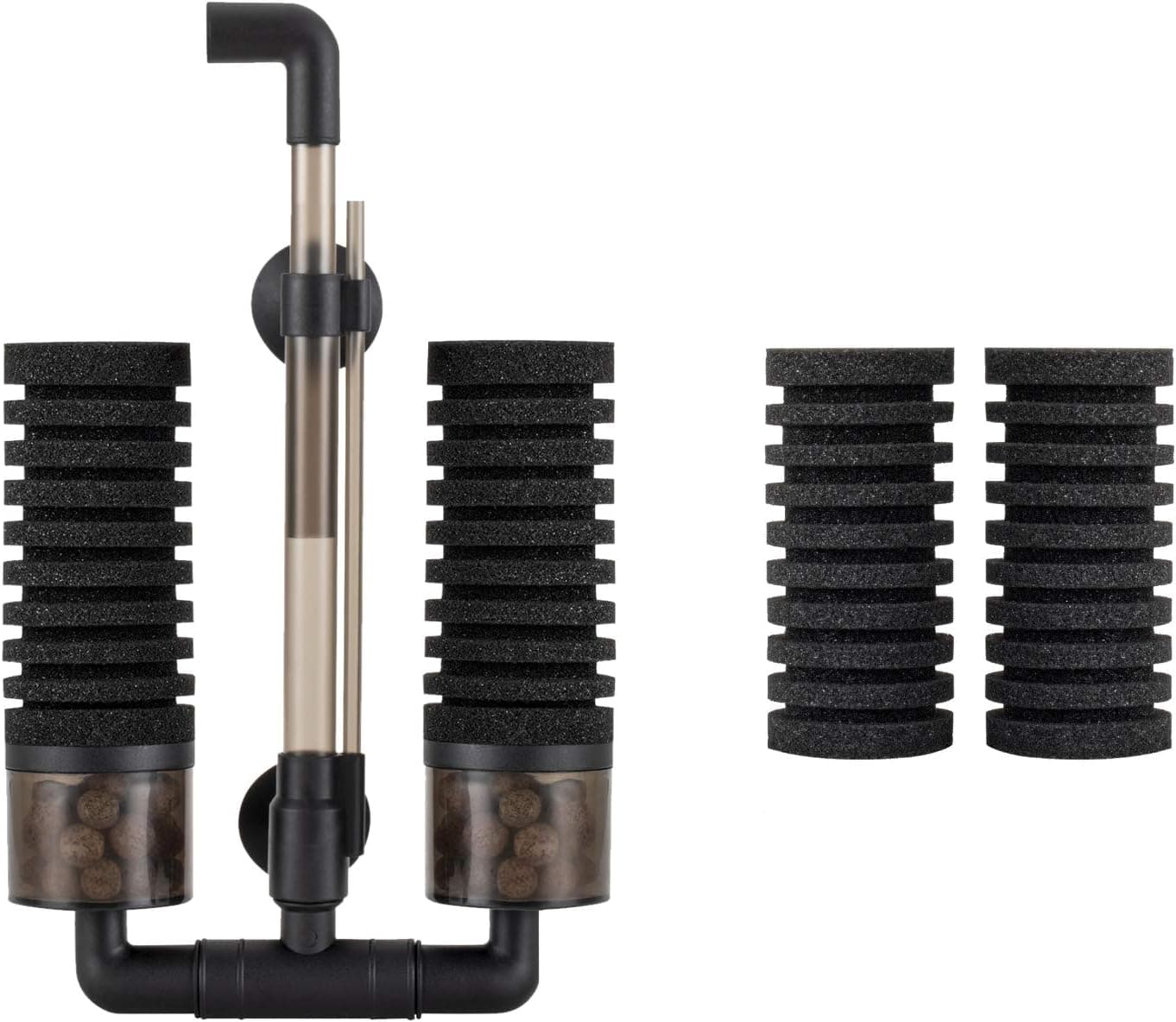
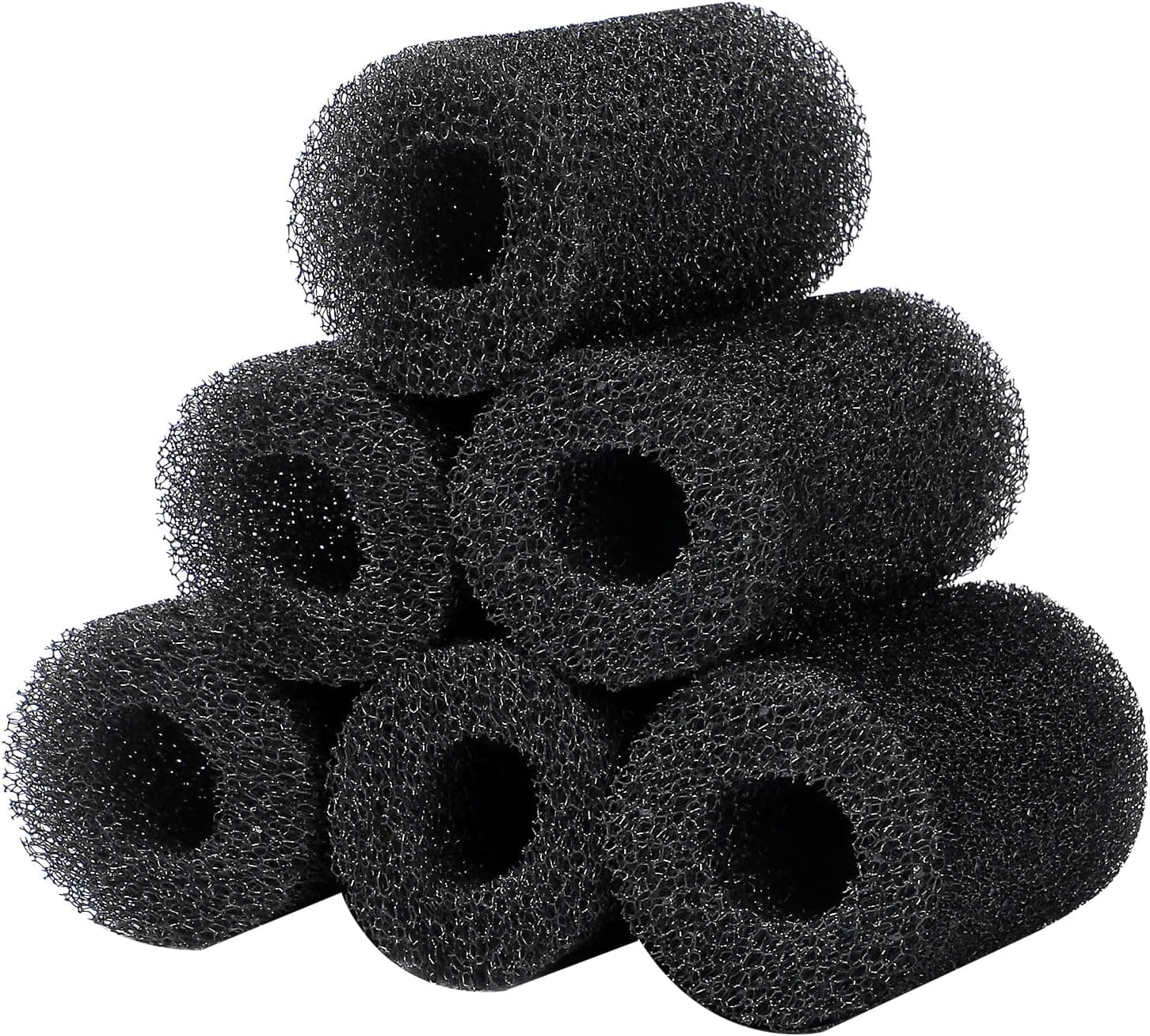
Use sponge filters or pre-filter sponges on intakes so baby shrimp are not sucked into filters. Avoid overfeeding, which pollutes water, and keep tank mates that will not prey on shrimp.
Products from this article
The highest-scoring picks from the buying guides mentioned above. Scores are our editorial assessment, not customer ratings.
+ Liquid tests are more accurate than most strips
From our guide: Best Water Test Kits for Planted Tanks (2026)
+ Two spare sponges are included, so you can swap or seed media without reordering
From our guide: Best Sponge Filters for Planted Tanks (2026)
+ The 0.8" sizing matches many popular HOB and canister intakes
From our guide: Best Prefilter Sponges for Planted Tanks (2026)
+ Tests the core parameters every planted tank needs
From our guide: Best Water Test Kits for Planted Tanks (2026)
Popular right now
- Best CO2 Regulators for Planted Tanks (2026)Buying guide
- Low-Tech vs High-Tech Planted Tanks ComparedArticle
- Setting Up a Shrimp-Safe Planted TankArticle
- How to Choose an Aquarium HeaterArticle
- Aquarium Quarantine Basics for New Fish and PlantsArticle
- Dosing Fertilizers in a Planted TankArticle
Based on the last 28 days of search and visitor data.