Do You Need CO2 in a Planted Tank?
Published How we research
One of the first big questions new aquascapers ask is whether they need to inject carbon dioxide into their planted tank. The honest answer is that you do not need it to keep a healthy, attractive planted aquarium, but it does change what is possible and how quickly plants grow. Understanding that tradeoff helps you decide what kind of tank you actually want.
Products from this article
The highest-scoring picks from the buying guides this article links to. Scores are our editorial assessment, not customer ratings.
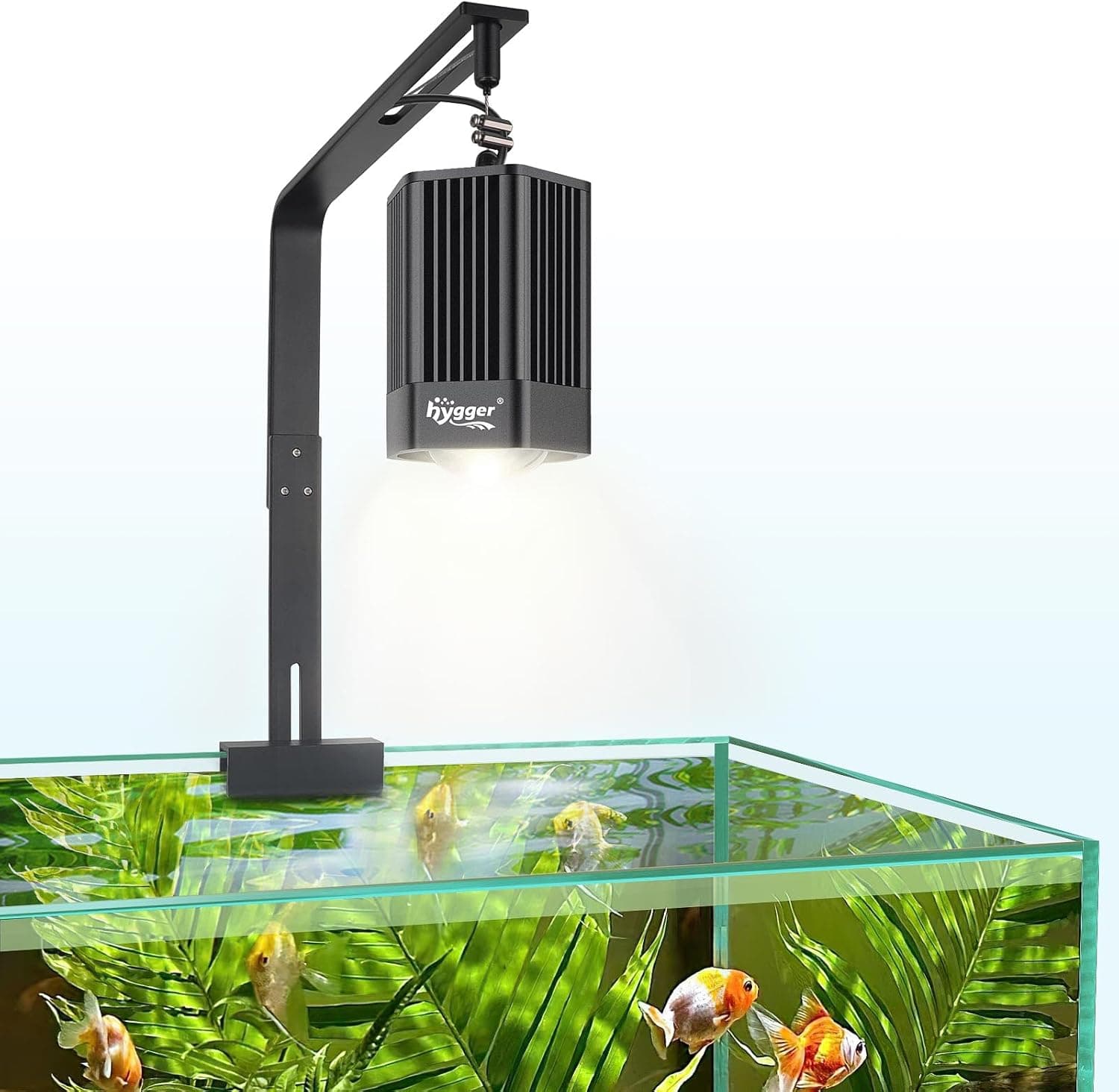
+ COB design produces the shimmer effect that makes water ripple on stone
From our guide: Best Full-Spectrum Grow Lights for Planted Tanks (2026)
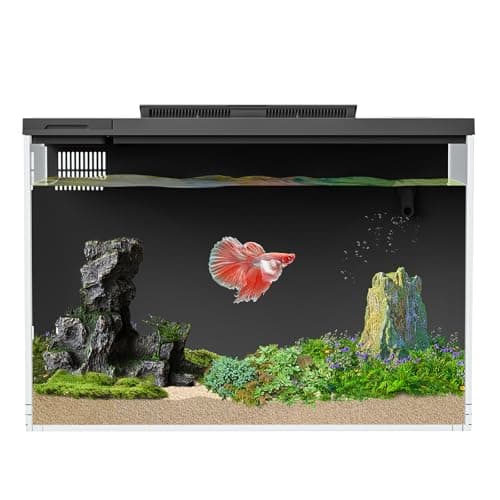
+ App adjusts light color and water flow, and can schedule lighting cycles that simulate daylight transitions
From our guide: Best Betta Tanks for Planted Setups (2026)
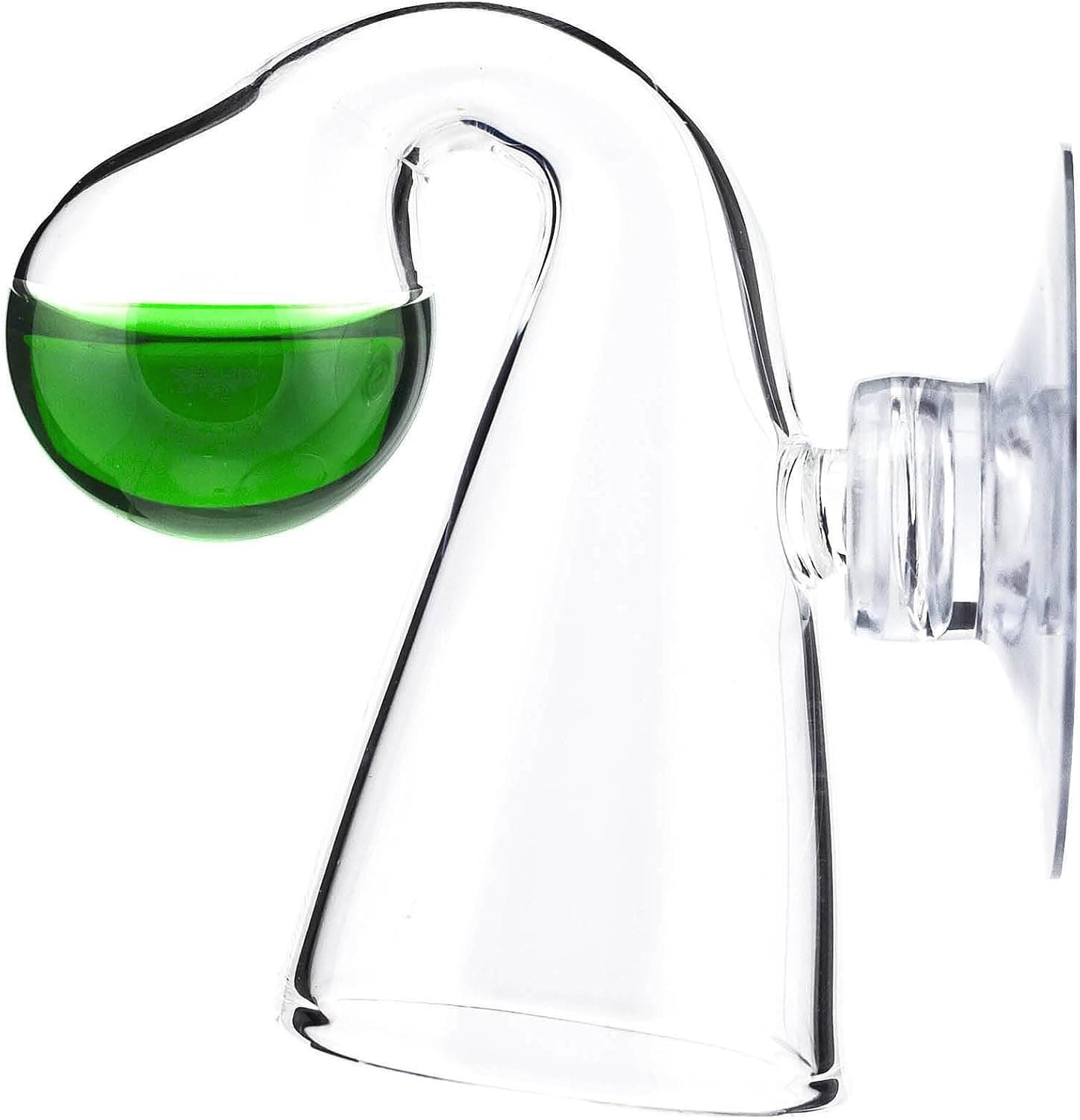
+ The 4dkh reference solution gives more accurate readings than tap water fills
From our guide: Best CO2 Drop Checkers for Planted Tanks (2026)
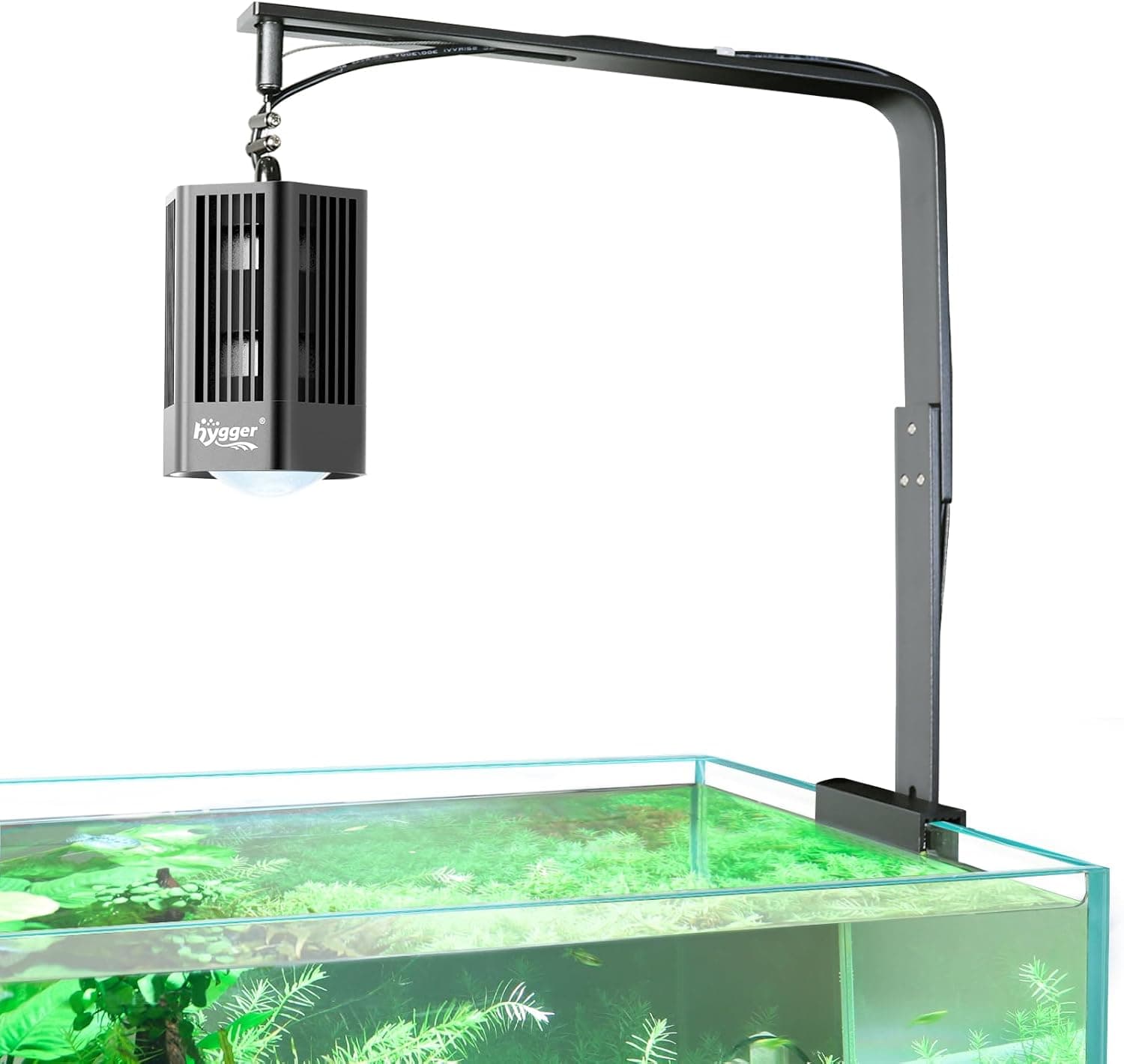
+ The 100W output punches through deeper water to reach carpet plants
From our guide: Best Full-Spectrum Grow Lights for Planted Tanks (2026)
Carbon is one of the primary building blocks plants use to grow, and in most tanks the available dissolved carbon dioxide is the limiting factor. When you add pressurized CO2, you remove that limit, and plants can then take full advantage of strong light and abundant nutrients. The result is faster growth, more compact and colorful plants, and the ability to keep demanding species that simply refuse to thrive otherwise.
The catch is that injected CO2 raises the stakes across the whole system. Once plants are growing quickly, they demand more light and more fertilizer to keep pace, and any imbalance shows up fast as algae. CO2 injection also requires equipment such as a cylinder, a regulator, and a diffuser, plus careful adjustment so you supply enough for the plants without harming your fish, since too much dissolved CO2 depletes oxygen and stresses livestock.
Many beautiful tanks run with no injected CO2 at all. These low-tech setups rely on the small amount of carbon dioxide that occurs naturally from fish respiration and biological processes, paired with modest lighting and hardy, slow-growing plants. Species like java fern, anubias, cryptocorynes, and many mosses grow happily this way, just at a gentler pace.
If you are new to the hobby, starting without CO2 is usually the wiser path. You learn the fundamentals of light, nutrients, and maintenance in a more forgiving system where mistakes unfold slowly rather than crashing the tank overnight. You can always add CO2 later once you understand how your plants behave.
Ultimately the decision comes down to your goals. If you dream of a lush, carpeted, high-color aquascape and enjoy the tinkering, CO2 opens that door. If you want a relaxed, low-maintenance green tank, you can skip it entirely and still be delighted with the results.
Popular right now
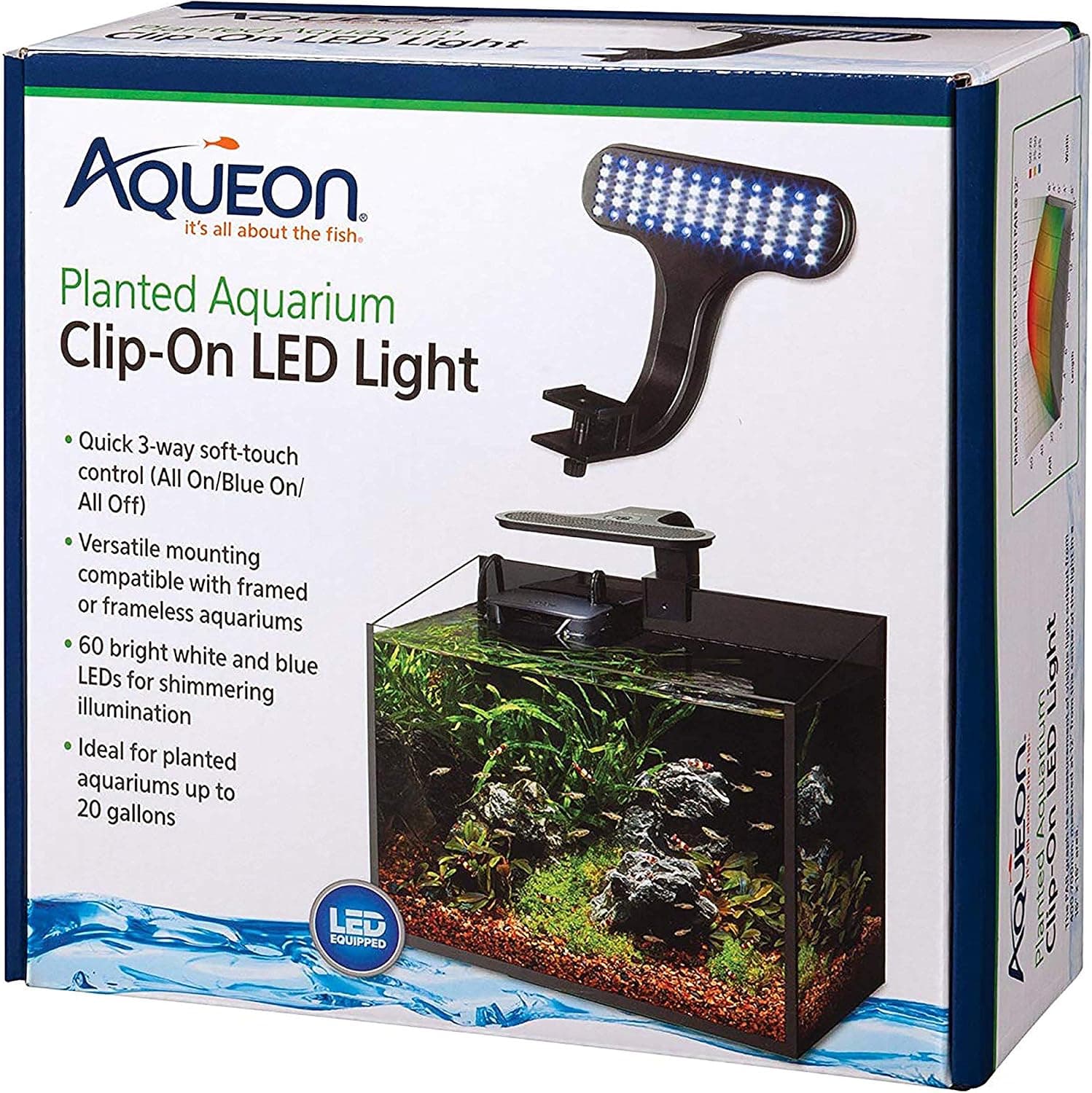
- Best Clip-On Aquarium Lights for Planted Tanks (2026)Buying guide
- Best Nano Aquariums for Planted Tanks (2026)Buying guide
- Best Low-Iron Glass Tanks for Aquascaping (2026)Buying guide
- Best CO2 Regulators for Planted Tanks (2026)Buying guide
- Best Full-Spectrum Grow Lights for Planted Tanks (2026)Buying guide
- Best CO2 Tubing for Planted Tanks (2026)Buying guide
Based on the last 28 days of search and visitor data.