Dosing Fertilizers in a Planted Tank
Published How we research
Plants are living things, and like any garden they need nutrients to grow. In an aquarium, some nutrients come from fish waste and food, but a thriving planted tank almost always needs supplementing with fertilizers. Understanding what plants need and how to supply it turns fertilizing from a guessing game into a simple, reliable routine.
Products from this article
The highest-scoring picks from the buying guides this article links to. Scores are our editorial assessment, not customer ratings.
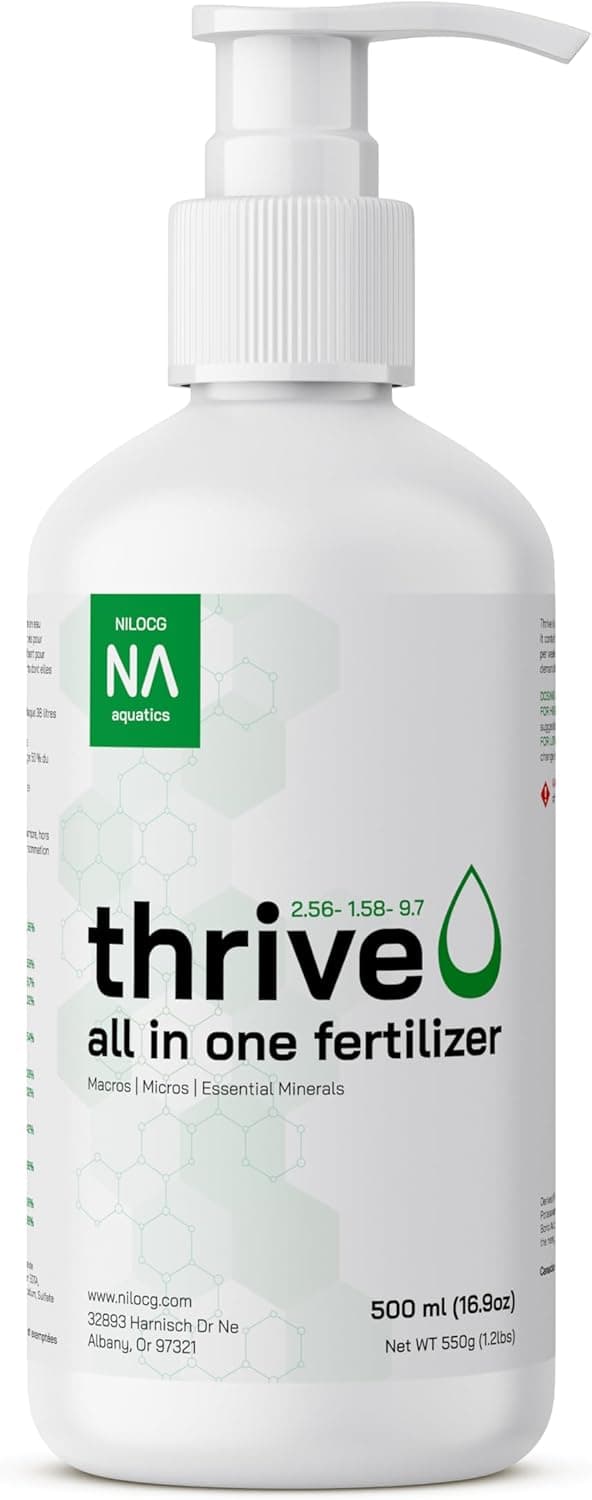
+ Concentrated formula makes the 500ml bottle last a long time
From our guide: Best Liquid Fertilizers for Planted Tanks (2026)
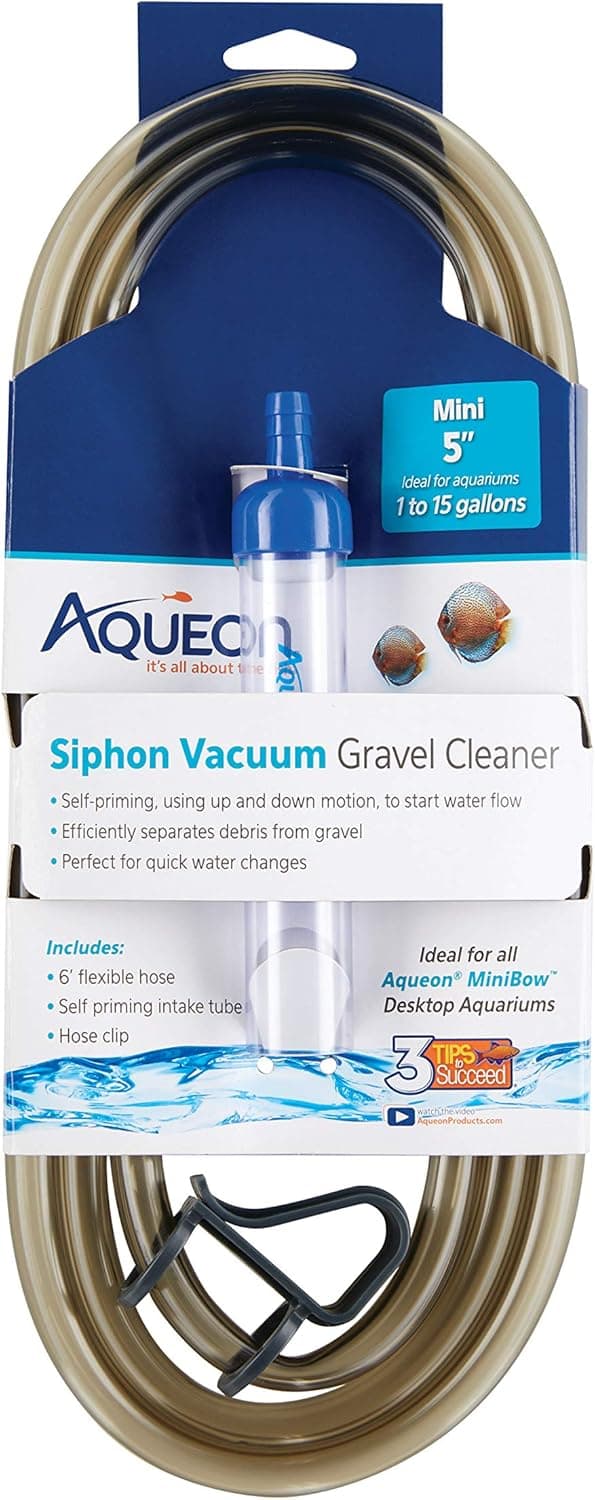
+ Mini 5 Inches tube reaches into nano tanks without disturbing plants
From our guide: Best Gravel Vacuums for Planted Tanks (2026)
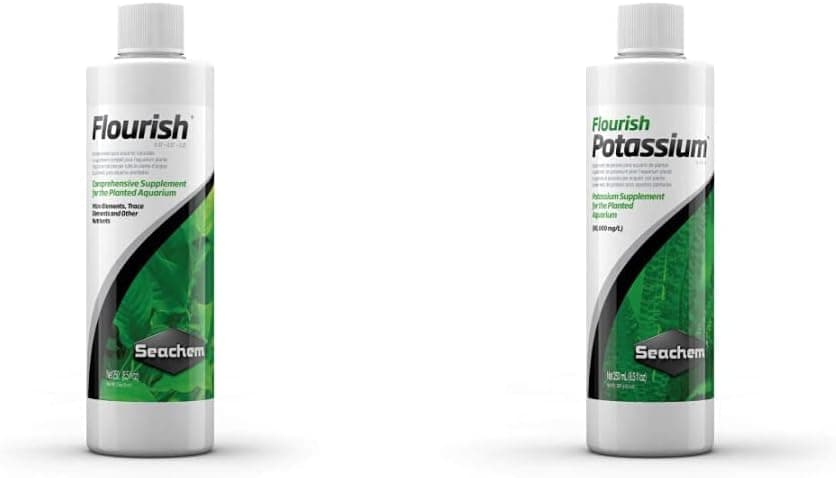
+ Potassium complements Flourish to address common deficiencies
From our guide: Best Aquarium Plant Nutrients for Planted Tanks (2026)
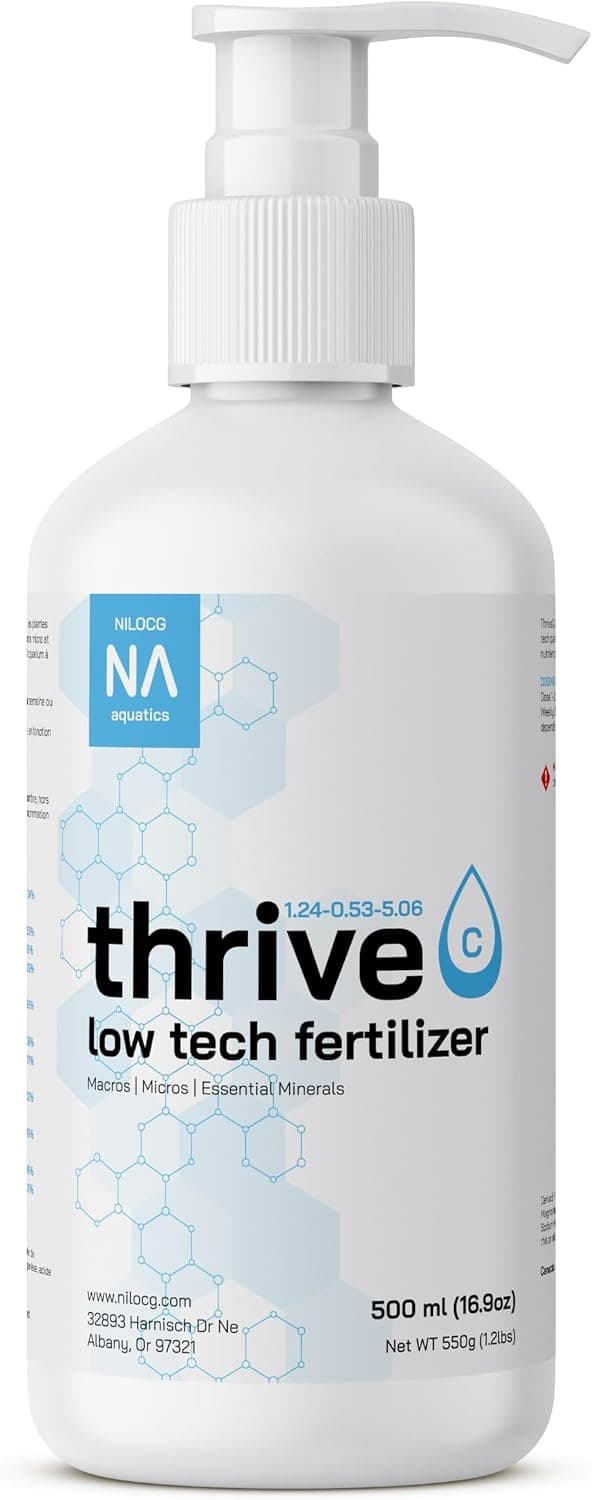
+ Formulated for low tech tanks, reducing the risk of nutrient excess
From our guide: Best Liquid Fertilizers for Planted Tanks (2026)


Plant nutrients are usually divided into two groups: macronutrients and micronutrients. Macronutrients are needed in larger amounts and include nitrogen, phosphorus, and potassium. Micronutrients, often called trace elements, are needed in tiny quantities but are just as essential and include iron and several other minerals. A deficiency in any one of these can stall growth or cause telltale symptoms like yellowing leaves or stunted new growth.
Fertilizers reach plants by two routes: through the roots and through the water column. Root-feeding plants such as crypts and swords benefit from root tabs, which are nutrient capsules pushed into the substrate near their roots. Water-column feeders, including stem plants and floating plants, absorb nutrients directly from the water, which is where liquid fertilizers come in. Many tanks use a combination of both to cover all their plants.
How much and how often you dose depends heavily on your tank. A low-tech tank with modest light and slow-growing plants needs only light, occasional dosing, because the plants use nutrients slowly. A high-tech tank with strong light and CO2 grows fast and consumes nutrients quickly, so it needs regular, generous dosing to avoid deficiencies. Matching your fertilizer input to your plants' growth rate is the core principle.
A common and beginner-friendly approach is to dose a balanced all-in-one liquid fertilizer a few times a week according to the product instructions and your tank's response. More advanced hobbyists sometimes dose individual nutrients separately for finer control, but you do not need that complexity to grow healthy plants. Whatever method you use, pair it with a weekly water change, which resets nutrient levels and prevents anything from building up too high.
The best guide is your plants themselves. Watch for signs of deficiency such as pale or holey leaves and increase dosing if you see them, and watch for algae, which can signal excess nutrients relative to what the plants can use. Adjust gradually, keep notes on what you do, and over time you will settle into a routine perfectly tuned to your particular tank.
Popular right now
- Best Clip-On Aquarium Lights for Planted Tanks (2026)Buying guide
- Best Nano Aquariums for Planted Tanks (2026)Buying guide
- Best Low-Iron Glass Tanks for Aquascaping (2026)Buying guide
- Best CO2 Regulators for Planted Tanks (2026)Buying guide
- Best Full-Spectrum Grow Lights for Planted Tanks (2026)Buying guide
- Best CO2 Tubing for Planted Tanks (2026)Buying guide
Based on the last 28 days of search and visitor data.