Setting Up a Shrimp-Safe Planted Tank
Published How we research
Freshwater shrimp have become enormously popular in the planted tank hobby, prized for their color, constant grazing, and gentle nature. But shrimp are more sensitive than most fish, and a setup that a hardy fish would shrug off can be fatal to them. Building a shrimp-safe tank means paying close attention to stability, filtration, and the substances you introduce.
Products from this article
The highest-scoring picks from the buying guides this article links to. Scores are our editorial assessment, not customer ratings.
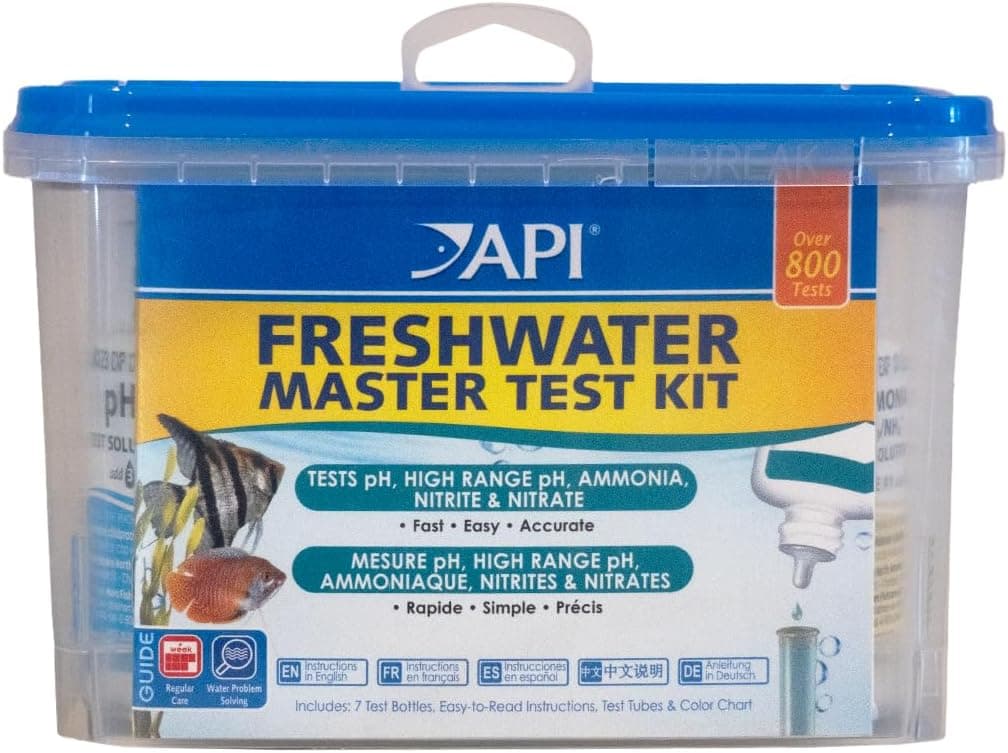
+ Liquid tests are more accurate than most strips
From our guide: Best Water Test Kits for Planted Tanks (2026)
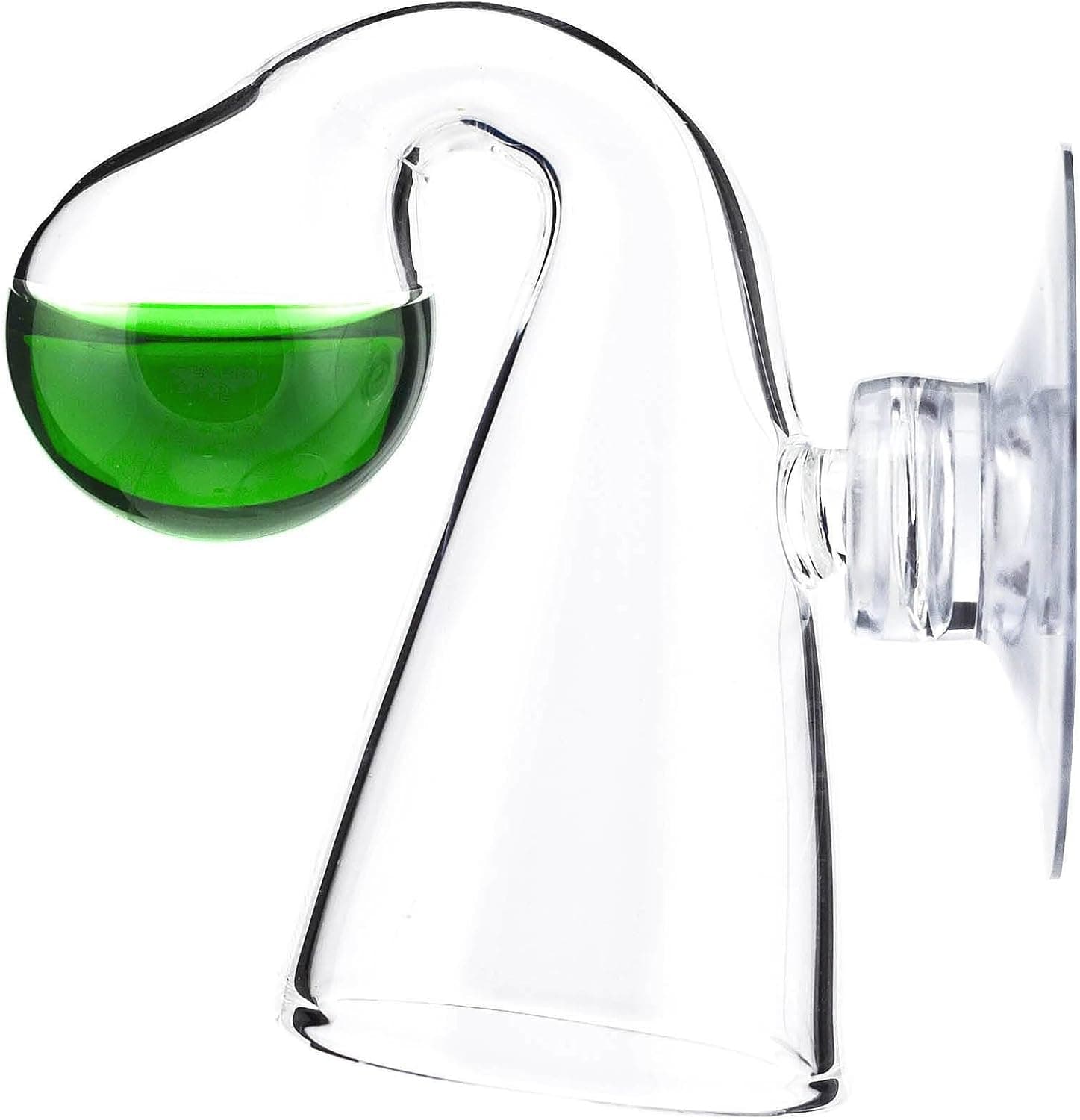
+ The 4dkh reference solution gives more accurate readings than tap water fills
From our guide: Best CO2 Drop Checkers for Planted Tanks (2026)
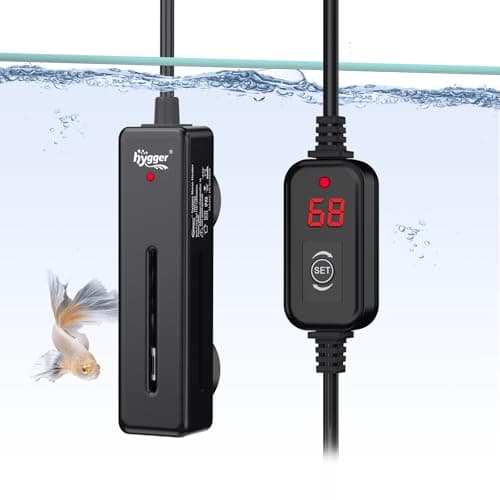
+ External controller sets the temperature and shows the current water temperature on a digital display
From our guide: Best Aquarium Heaters for Planted Tanks (2026)
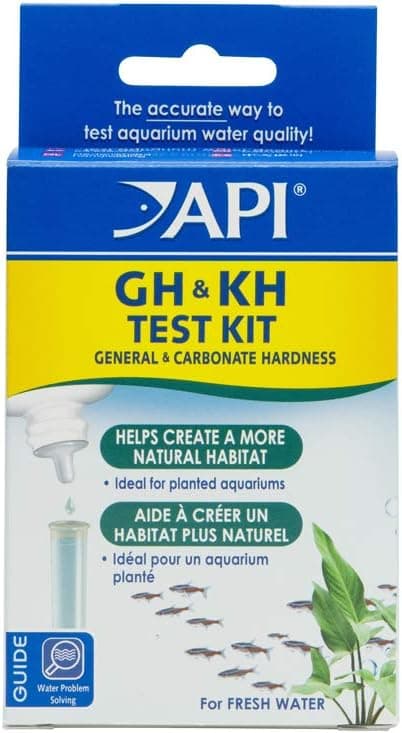
+ Measures GH and KH, key for shrimp and plant health
From our guide: Best Water Test Kits for Planted Tanks (2026)
Stability is the golden rule with shrimp. They are far more sensitive to swings in water parameters than to the exact values themselves, so a tank that stays consistent is far more important than one that hits perfect numbers. This makes a mature, well-established tank the ideal home; adding shrimp to a brand-new, uncycled tank is a common and often fatal mistake. Let the tank run and stabilize for a good while before introducing them.
Filtration needs a shrimp-conscious touch. Tiny shrimp and especially their nearly microscopic babies can be sucked into a standard filter intake and killed. The simple solution is to cover the intake with a sponge pre-filter or use a gentle sponge filter, which protects the shrimp while also providing surfaces for them to graze on. Sponge filters are a favorite in dedicated shrimp tanks for exactly these reasons.
Plants and surfaces give shrimp both food and security. Mosses in particular are beloved in shrimp tanks because their dense structure traps tiny particles of food and biofilm that shrimp graze on constantly, and they provide cover for vulnerable molting shrimp and shelter for babies. A well-planted tank with plenty of surfaces supports a thriving shrimp colony far better than a sparse one.
The biggest hidden danger to shrimp is copper and certain other chemicals. Shrimp are highly sensitive to copper, which is found in many fish medications, so treating a shrimp tank with a standard medication can wipe out the whole colony. Always check that any product, food, or additive is invertebrate-safe before using it, and be cautious with anything you add to the water.
Finally, remember that molting is a normal and vulnerable part of shrimp life, and stable mineral content in the water supports healthy molts. Provide a balanced diet, keep parameters steady, avoid sudden large water changes that can trigger problem molts, and be patient as the colony establishes. With a stable, gentle, shrimp-conscious setup, a colony can breed and flourish for years, becoming one of the most rewarding parts of the planted tank hobby.
Popular right now
- Best Clip-On Aquarium Lights for Planted Tanks (2026)Buying guide
- Best Nano Aquariums for Planted Tanks (2026)Buying guide
- Best Low-Iron Glass Tanks for Aquascaping (2026)Buying guide
- Best CO2 Regulators for Planted Tanks (2026)Buying guide
- Best Full-Spectrum Grow Lights for Planted Tanks (2026)Buying guide
- Best CO2 Tubing for Planted Tanks (2026)Buying guide
Based on the last 28 days of search and visitor data.