Water Parameters for Healthy Aquarium Plants
Published How we research
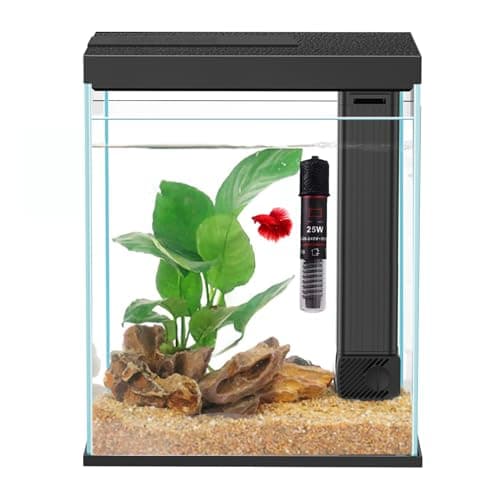
Temperature should stay stable via a reliable heater, since sudden swings stress living things more than a temperature slightly off ideal. Most common aquatic plants tolerate a fairly broad pH range, so work with your tap water rather than chasing a specific number, since chemical pH adjustment often causes more harm through instability. Water hardness, both general and carbonate, affects buffering and matters especially to shrimp keepers. Ammonia and nitrite should always read zero, with nitrate kept modest through water changes and plant uptake. The practical takeaway: test your source water, build around it, and prioritize stability over chasing perfect numbers. Aquatic plants are generally more adaptable than beginners fear, but they still do best within certain ranges of water conditions, and understanding these parameters helps you diagnose problems and choose plants suited to your water. Just as importantly, it reveals a truth that experienced aquarists live by: stability usually matters more than hitting some ideal number.
Products from this article
The highest-scoring picks from the buying guides this article links to. Scores are our editorial assessment, not customer ratings.
+ App adjusts light color and water flow, and can schedule lighting cycles that simulate daylight transitions
From our guide: Best Betta Tanks for Planted Setups (2026)
+ Kit includes the 2 gallon glass tank, a 3-color LED light and a filter with an adjustable pump and sponge
From our guide: Best Betta Tanks for Planted Setups (2026)
+ Kit includes the 2 gallon glass tank, a heater, an adjustable filter and a 3-color LED with on/off control, so little else is needed.
From our guide: Best Betta Tanks for Planted Setups (2026)
+ The 2.5 gallon glass tank is a reasonable size for one betta and a plant
From our guide: Best Betta Tanks for Planted Setups (2026)
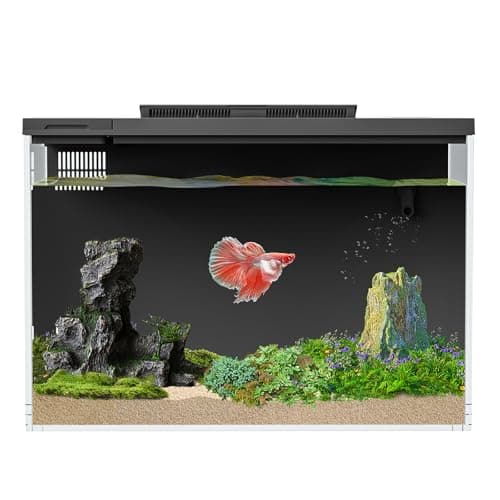
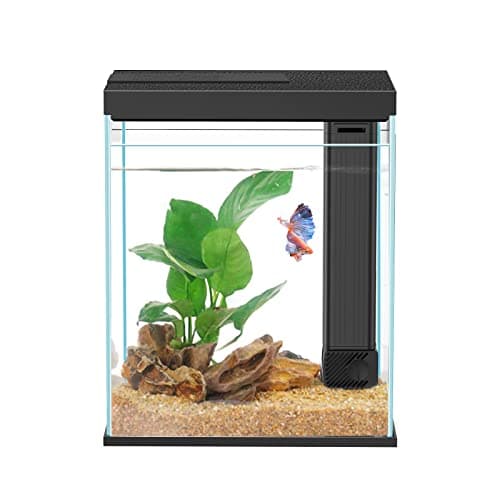
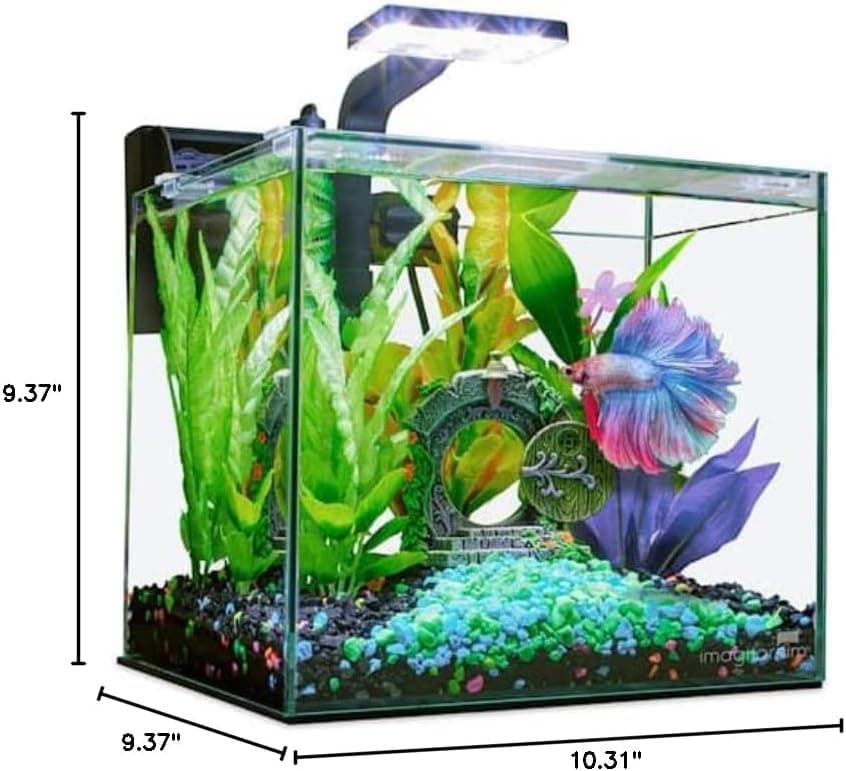
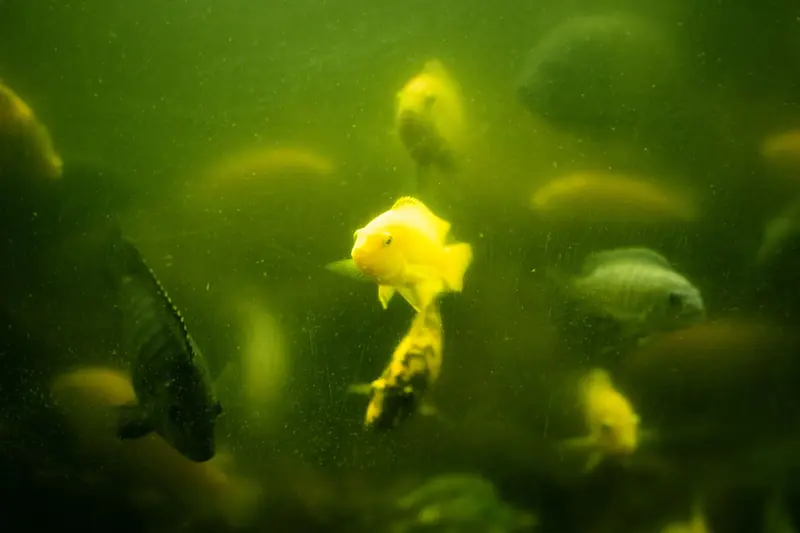
Temperature is the first parameter to consider
Temperature is the first parameter to consider, because it affects both plants and the fish that share the tank. Most popular aquarium plants are comfortable in typical tropical community temperatures, and a stable, reliable heater keeps things steady. Sudden swings stress living things more than a temperature that sits consistently a little off the textbook ideal, so consistency is your friend.
pH: most plants tolerate a broad range
The pH of your water measures how acidic or alkaline it is, and most common aquatic plants tolerate a fairly broad range. Rather than chasing a specific pH, it is usually best to work with what comes out of your tap and choose plants and fish that suit it. Chasing pH with chemicals often causes more harm than good by creating instability, which is far more damaging than a pH that is simply not perfect.
Water hardness affects buffering and stability
Water hardness describes the amount of dissolved minerals in your water, split into general hardness and carbonate hardness. General hardness includes minerals like calcium and magnesium that plants and invertebrates use, while carbonate hardness buffers against pH swings. Very soft water offers little buffering and can let pH drift, while hard water is more stable. Knowing your hardness helps you pick plants and livestock that will be content, and it matters especially to shrimp keepers.
Nitrogen compounds remain the safety parameters
Beyond these, the nitrogen compounds discussed with the nitrogen cycle remain the parameters you monitor most closely for safety: ammonia and nitrite should always read zero in an established tank, with nitrate kept modest through water changes and plant uptake. Plants actually help here by consuming nitrogen, which is one of the quiet benefits of a well-planted tank.
Build your tank around your water, not against it
The practical takeaway is to test your source water, learn what you naturally have, and build your tank around it rather than fighting it. Keep conditions stable with consistent water changes and a good heater, avoid the temptation to constantly tweak with additives, and choose plants that match your water. A stable, well-understood tank will always outperform one that is chemically perfect on paper but constantly in flux.
Frequently asked questions
Is a specific pH important for a planted aquarium? Not as much as beginners fear; most common aquatic plants tolerate a fairly broad pH range, and it's usually best to work with your tap water rather than chasing a specific number with chemicals.
Why is water stability more important than perfect parameters? Sudden swings stress living things more than a parameter that sits consistently a little off the textbook ideal, and chasing perfect numbers with additives often creates damaging instability instead.
What is the difference between general hardness and carbonate hardness? General hardness includes minerals like calcium and magnesium that plants and invertebrates use, while carbonate hardness buffers against pH swings, with very soft water offering little buffering.
Do aquarium plants help control nitrate levels? Yes, plants consume nitrogen compounds as they grow, which is one of the quiet benefits of a well-planted tank in keeping nitrate modest between water changes.
Popular right now
- Best Clip-On Aquarium Lights for Planted Tanks (2026)Buying guide
- Best Nano Aquariums for Planted Tanks (2026)Buying guide
- Best Low-Iron Glass Tanks for Aquascaping (2026)Buying guide
- Best CO2 Regulators for Planted Tanks (2026)Buying guide
- Best Full-Spectrum Grow Lights for Planted Tanks (2026)Buying guide
- Best CO2 Tubing for Planted Tanks (2026)Buying guide
Based on the last 28 days of search and visitor data.